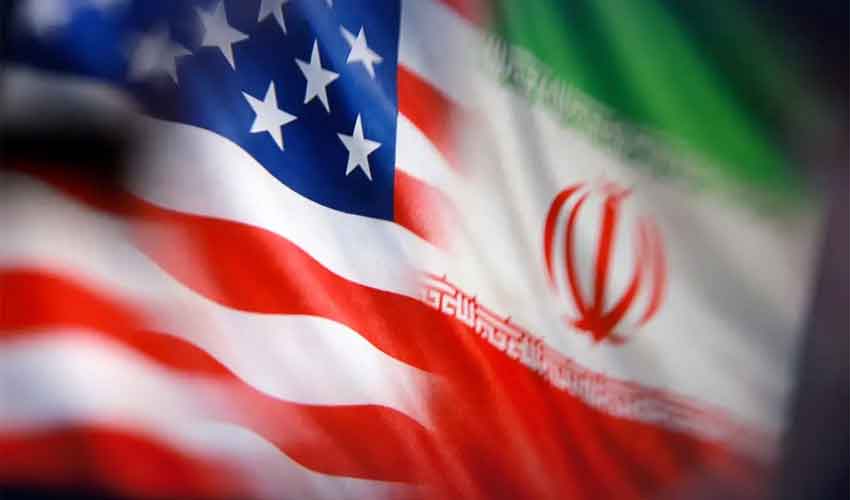
Indian state-owned refiners are reviewing their Russian oil trade documents to ensure no supplies come directly from Rosneft or Lukoil, after the United States imposed fresh sanctions on the companies, a source familiar with the matter said on Thursday.
The move comes a day after U.S. President Donald Trump rolled out Ukraine-related sanctions on Moscow’s major oil producers, marking his administration’s first punitive measures against Russia in his second term.
The sanctions target Rosneft and Lukoil, amid rising frustration with Russian President Vladimir Putin over the ongoing war in Ukraine.
According to the U.S. Treasury, companies worldwide have been given until November 21 to wind down any ongoing transactions with the sanctioned Russian oil producers. The directive aims to cut off financial flows to Moscow’s energy sector, which remains a critical source of revenue for the Kremlin.
India’s state refiners Begin document review
Indian Oil Corporation (IOC), Bharat Petroleum Corporation Limited (BPCL), Hindustan Petroleum Corporation Limited (HPCL), and Mangalore Refinery and Petrochemicals Limited (MRPL) are now reviewing bill of lading documents for all Russian crude shipments expected after the U.S. deadline.
The source said the refiners want to verify that none of the oil is sourced directly from Rosneft or Lukoil. The companies have yet to issue any public comment regarding the review.
Oil prices surge amid sanctions shock
Global oil prices jumped on Thursday following the sanctions announcement and India’s subsequent compliance review.
-
Brent crude futures rose by $2.12, or 3.4%, to $64.71 per barrel by 0614 GMT.
-
U.S. West Texas Intermediate (WTI) gained $2.09, or 3.6%, to $60.59 per barrel.
Analysts said the surge reflected both the market’s initial reaction to tightening supply expectations and a surprise drawdown in U.S. crude inventories.
Global and market reactions
Market analysts described the sanctions as a strategic attempt to squeeze Moscow’s oil revenues.
“President Trump’s fresh sanctions hitting Russia's biggest oil houses aim squarely at choking Kremlin war revenues,” said Priyanka Sachdeva, senior market analyst at Phillip Nova. “If New Delhi trims purchases under U.S. pressure, Asian demand could pivot toward U.S. crude.”
However, others remained skeptical about long-term effects. Claudio Galimberti, global market analysis director at Rystad Energy, called the price rise a “knee-jerk reaction,” noting that previous rounds of sanctions over the past 3.5 years have “mostly failed to dent Russian oil output or revenues.”
Purchases usually made via intermediaries
Industry sources indicated that Indian refiners rarely buy crude directly from Russian oil giants. Instead, they typically rely on intermediaries or traders who facilitate transactions, reducing the risk of direct exposure to sanctioned entities.
Following the Western embargo on Russian oil after the invasion of Ukraine in February 2022, India became the largest buyer of discounted Russian seaborne crude, taking advantage of price gaps created by sanctions.
Between January and September 2025, India imported around 1.7 million barrels per day (bpd) of Russian oil, trade data shows. Most of this supply was secured by private refiners such as Reliance Industries and Nayara Energy, which together accounted for the majority of incoming Russian barrels.




.gif)


.jpg)