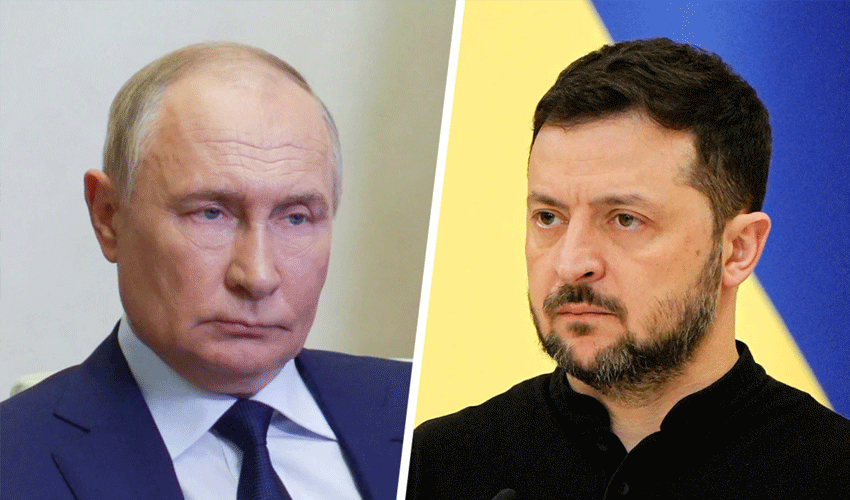
Hopes for direct talks between Russian President Vladimir Putin and Ukraine’s Volodymyr Zelensky appeared to dim on Tuesday as the Kremlin played down prospects of a summit, even as US President Donald Trump renewed his call for negotiations to end the war.
Putin told Trump earlier this week he was “open” to the idea of direct talks with Kyiv. But Russian Foreign Minister Sergei Lavrov quickly tempered expectations, saying any such meeting would need to be prepared “gradually” through expert-level discussions.
Dmitry Polyanskiy, Russia’s deputy UN envoy, echoed the cautious line, telling the BBC that no side had “rejected” the chance for talks but warned against a meeting “for the sake of a meeting.”
Read also: Trump says Putin may not want to make a deal on Ukraine
Reports also surfaced that Putin suggested Zelensky travel to Moscow for talks — a proposal viewed in Kyiv as unrealistic and strategically unacceptable.
Trump urges talks but admits putin may resist
After hosting Zelensky and European leaders in Washington and meeting Putin in Alaska last week, Trump admitted on Tuesday the war was “a tough one” to resolve.
“We’re going to find out about President Putin in the next couple of weeks,” Trump said. “It’s possible that he doesn’t want to make a deal.”
While earlier pledging he could secure a ceasefire, Trump has since shifted to calling for a permanent peace deal. He floated the idea of the US providing air support if Europeans deployed ground forces in Ukraine, though he ruled out American boots on the ground.
European allies voice scepticism
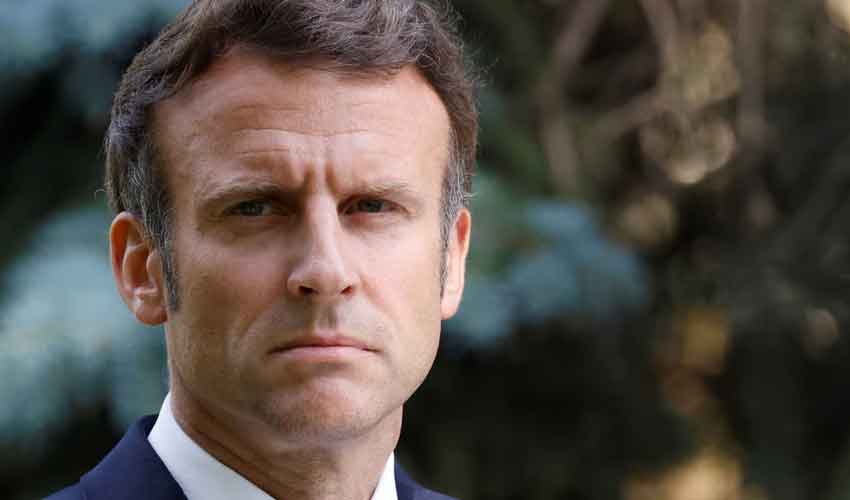
European leaders remain far less optimistic. French President Emmanuel Macron called Putin “a predator, and an ogre at our doorstep,” expressing “great doubt” that the Kremlin leader would work toward peace.
Finland’s President Alexander Stubb added that Putin was “rarely to be trusted,” voicing scepticism about the possibility of a Zelensky-Putin summit.
Meanwhile, Britain’s military chief Admiral Tony Radakin is travelling to Washington for talks on a “reassurance force” for Ukraine, while NATO chiefs are set for a virtual meeting Wednesday.
Complexities cloud peace prospects
The last time Zelensky and Putin met was in 2019, years before Russia’s full-scale invasion devastated Ukrainian cities and displaced millions. Moscow continues to label Kyiv’s leadership as illegitimate and demands political changes as a precondition for peace — conditions Kyiv has firmly rejected.
While Trump has shown renewed enthusiasm for talks, European leaders appear focused on securing stronger defence guarantees for Ukraine should the war continue.
With Putin unlikely to compromise and Zelensky insisting on Ukraine’s sovereignty, the chances of a breakthrough remain slim. More high-level meetings are expected in Washington and across Europe this week as leaders weigh how to balance dialogue with deterrence.



.gif)

.jpg)