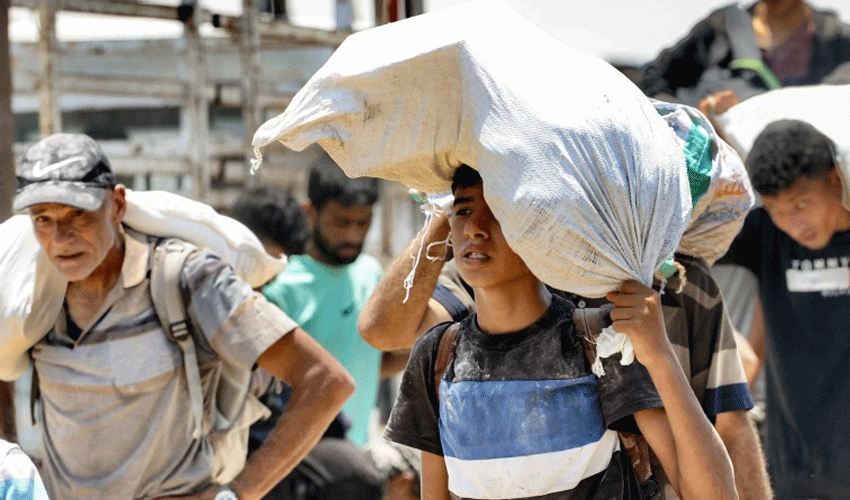
Nearly a third of the population in the besieged Gaza Strip is enduring days without food, with malnutrition among women and children reaching alarming levels, the United Nations World Food Programme (WFP) warned on Saturday.
In a stark statement, the WFP said malnutrition is “surging”, with at least 90,000 women and children requiring urgent treatment.
The humanitarian situation in the Palestinian enclave has deteriorated rapidly in recent weeks, with the Hamas-run health ministry reporting nine more deaths due to malnutrition on Friday, bringing the total to 122 since the war began in October.
Despite the worsening crisis, Israel, which controls all aid entry points into Gaza, continues to deny responsibility. It maintains that there are no restrictions on humanitarian supplies and instead blames Hamas for the aid shortfall.
As pressure mounts internationally, the United Kingdom on Friday indicated it may join airdrop efforts to deliver aid into Gaza. British Prime Minister Sir Keir Starmer said in a statement published in The Mirror that the UK would do “everything we can to get aid in via this route”, adding that the UK is also “urgently accelerating efforts” to evacuate critically ill children for medical treatment.
The move follows reports that Israel may soon allow countries to conduct humanitarian airdrops. However, aid agencies have long criticised airdrops as an inefficient and potentially dangerous means of aid distribution. A senior Jordanian official told the BBC that its military had not yet received Israeli clearance to proceed with planned airdrops.
The United Nations, meanwhile, criticised the proposed airdrops as a “distraction to inaction”, urging instead for a meaningful lift of aid restrictions. “Withholding essential humanitarian assistance to the civilian population is unacceptable,” the UN Secretary-General António Guterres said during his address to Amnesty International's global assembly.
Guterres also lamented what he described as “indifference and inaction” by much of the international community. Citing figures from the UN and human rights groups, he said over 1,000 Palestinians had been killed since May 27 while attempting to access food from the US and Israeli-backed Gaza Humanitarian Foundation (GHF), which has sought to bypass the traditional UN-led aid system.
On Friday, new allegations emerged from a former US security contractor who worked with the GHF in Gaza earlier this year. Speaking to the BBC, Anthony Aguilar said he had “witnessed war crimes”, including the use of live ammunition, mortar rounds, and tank fire on civilians at food distribution points. Aguilar, a retired soldier, said, “I have never seen such brutality and indiscriminate force in my career.”
The GHF denied the allegations, calling them “categorically false” and attributing them to a “disgruntled former contractor who was terminated for misconduct.”
The worsening humanitarian crisis comes amid faltering ceasefire negotiations. US and Israeli negotiators reportedly withdrew from talks in Qatar this week, citing a lack of cooperation from Hamas. US President Donald Trump, speaking on Friday, said: “I think they [Hamas] want to die. They didn’t really want to make a deal.”
Hamas officials expressed surprise at the remarks and said they had been informed that talks had not collapsed, with Israeli negotiators expected to return to Doha next week.
Israel launched its offensive in Gaza following the October 7 Hamas-led attack on southern Israel, which resulted in 1,200 Israeli deaths and the capture of 251 hostages. Since then, more than 59,000 people have been killed in Gaza, according to figures provided by the Hamas-run health ministry.
Israel imposed a complete blockade on Gaza in early March, later partially easing it under mounting international pressure. However, basic necessities remain scarce, with more than 90% of Gaza’s homes reported to be damaged or destroyed, and most of the population displaced multiple times.
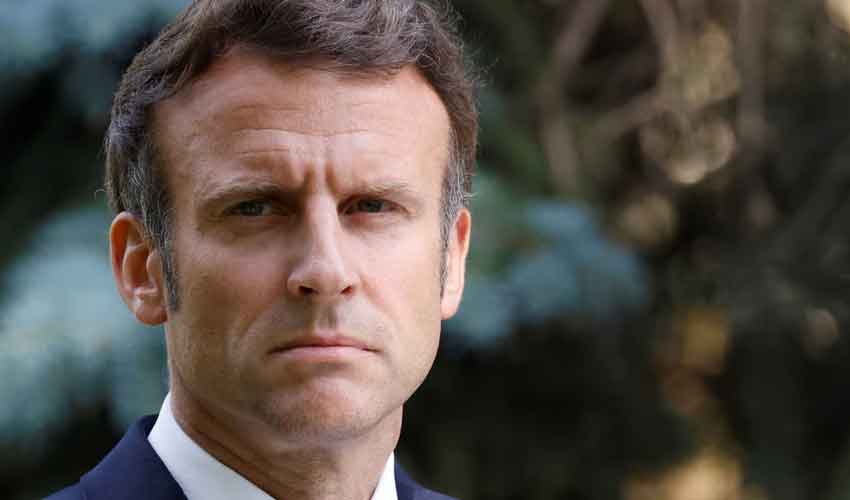
Amid these developments, France announced it would formally recognise a Palestinian state in September, a decision that drew criticism from Israel and its key ally, the United States. A day later, over one-third of UK Members of Parliament signed a letter urging the British government to follow suit. However, Prime Minister Starmer signalled that formal recognition would only come as part of a broader roadmap leading to a two-state solution.




.gif)
.jpg)