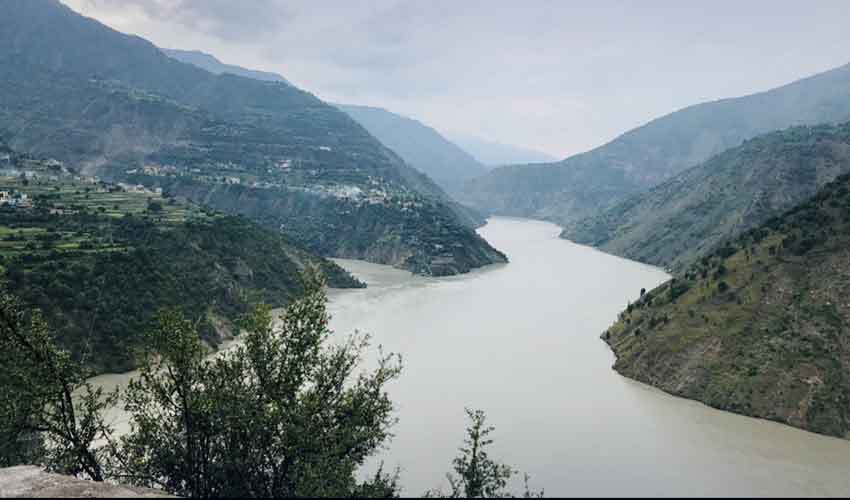
WAPDA has released updated data on the current status of rivers and water resources across the country. According to the report, water inflows have increased in the Indus and Chenab rivers, while the Jhelum River has witnessed a decline.
The Jhelum River has recorded a decrease of 3,000 cusecs in inflow, now standing at 43,200 cusecs compared to 46,200 cusecs the previous day. Meanwhile, the Indus River has seen a slight increase of 1,000 cusecs, with current inflows at 149,000 cusecs, up from 148,000 cusecs. In the Chenab River, a significant rise of 4,300 cusecs was observed, bringing the current inflow to 38,100 cusecs, compared to 33,800 cusecs yesterday.
Chashma Barrage has recorded a notable decrease of 7,800 cusecs in water inflow. Today’s inflow is at 182,100 cusecs, down from 189,900 cusecs recorded the previous day.
The Kabul River also witnessed a slight drop in inflow, from 40,300 cusecs to 40,200 cusecs.
Additionally, the report noted an increase in the usable water storage in reservoirs, with a rise of 47,000 acre-feet. The total usable water storage has grown from 3.538 million acre-feet to 3.585 million acre-feet. Water levels have also increased slightly in major dams, with Tarbela Dam's level rising by one foot and Mangla Dam's level increasing by two feet.






.jpg)