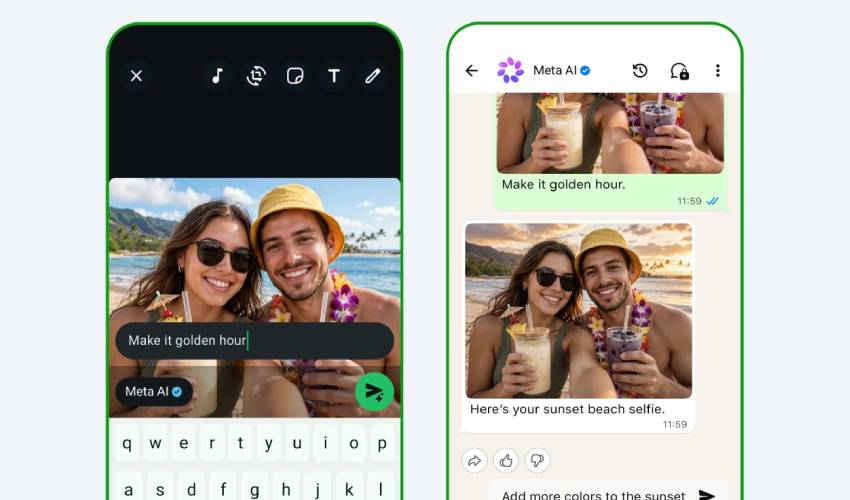
Meta has launched Muse Image, a new AI-powered image generator that allows users to create, edit and transform images using text prompts across its platforms. However, the feature has quickly sparked criticism after users discovered it can generate AI images using photos from public Instagram accounts.
The new tool, developed by Meta Superintelligence Labs, is available for free through the Meta AI app, Instagram Stories and WhatsApp, though advanced usage will require a subscription.
What is Muse AI?
Muse Image is Meta's latest generative AI model designed to create images from text prompts and edit existing photos. Users can generate artwork, apply AI-powered effects, remove unwanted objects from images and even create functional QR codes.
Meta has also introduced ready-made prompt "presets" to help users who need inspiration.
The company says Muse is designed for everyday creativity and will also support AI-powered image editing across its apps.
Instagram photo feature triggers backlash
The biggest controversy surrounding Muse is its ability to generate AI images using photos from public Instagram profiles.
By tagging a public Instagram account, users can create new AI-generated images based on that person's photos. Meta says users will not receive notifications when their public content is used in this way.
The feature immediately drew criticism on social media, with privacy advocates arguing that it allows people to manipulate others' images without explicit consent.
Many users described the feature as a potential privacy risk, especially because it is enabled by default unless users manually change their settings.
Meta says users can opt out
Meta maintains that users have control over whether their Instagram content can be used by AI features.
The company says people can disable the option through privacy settings if they do not want their public images to be used for AI-generated content.
However, critics argue that requiring users to opt out—rather than asking for permission beforehand—raises concerns about consent and digital privacy.
Beyond image generation, Muse can help users visualize furniture in their homes, create AI-powered advertisements and edit photos using custom prompts.
Meta has also rolled out new AI effects for Instagram Stories powered by Muse and confirmed that Muse Video, an AI video generator, is already in development.
Privacy concerns resurface
The launch has revived scrutiny of Meta's handling of user data.
Critics point to the company's previous privacy controversies, including the Cambridge Analytica scandal and the shutdown of Facebook's facial-recognition system in 2021, arguing that Muse's photo feature follows a familiar opt-out approach to user privacy.
While Meta says Muse is intended to enhance creativity, the debate over consent and the use of public photos is likely to continue as more users gain access to the tool.