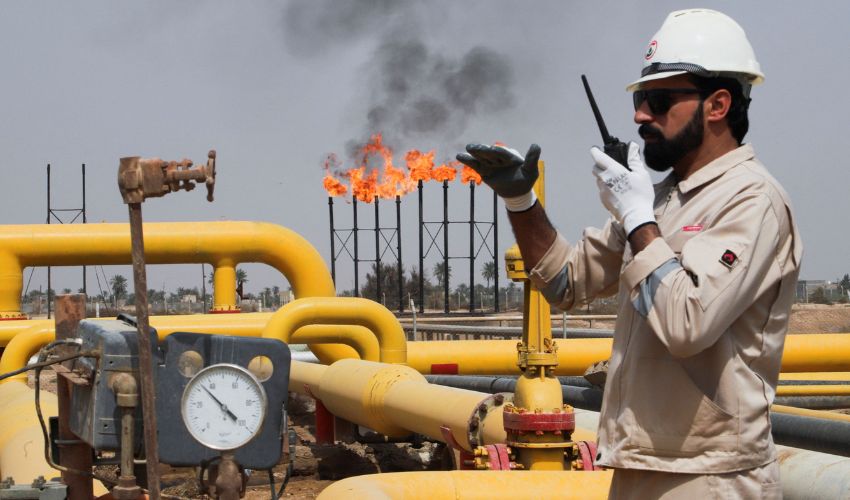
OPEC+ is expected to approve another increase in oil production when the group meets on Sunday, according to sources familiar with the discussions.
The planned move comes as oil prices retreat and exports recover following the gradual reopening of the Strait of Hormuz.
Sources told Reuters that OPEC+ has agreed in principle to increase oil production targets by 188,000 barrels per day (bpd) from August.
If approved during Sunday's online meeting, the increase will follow similar production hikes implemented for June and July as the alliance continues easing previous supply cuts.
The proposed increase would add more crude to global markets at a time when oil prices have fallen from recent highs.
Supply recovery continues
The seven core OPEC+ producers have already increased their production quotas by nearly 800,000 bpd between April and July.
However, much of the planned increase remained unrealised after the US-Israel war on Iran disrupted exports by closing the Strait of Hormuz, a critical shipping route for major oil producers including Saudi Arabia, Kuwait and Iraq.
According to OPEC data, the group's output declined to 33.13 million bpd in May, down from 42.77 million bpd in February.
Production began recovering in June after efforts helped restore exports from the UAE and other producers, although output remains below pre-war levels.
Oil prices return to pre-war levels
Despite ongoing supply challenges, global oil prices have fallen back to levels seen before the conflict.
Brent crude traded near $72 per barrel on Friday after previously climbing above $120 per barrel during the height of the crisis.
Analysts attribute the decline to weaker Chinese oil imports, increased exports from producers outside the Middle East and a record release of strategic oil reserves coordinated by the International Energy Agency (IEA).
The memorandum of understanding aimed at ending the conflict has also reassured traders that oil supplies are expected to normalise.
Iraq Ppshes for higher production quotas
Beyond production increases, OPEC+ is also facing internal challenges.
Following the United Arab Emirates' departure from the alliance in April, Iraq has signalled it wants a larger production quota.
The seven remaining countries—Saudi Arabia, Russia, Iraq, Kuwait, Algeria, Kazakhstan and Oman—are gradually reversing a 1.65 million bpd production cut agreed in 2023.
Reuters calculations suggest that about 379,000 bpd of those cuts remain to be restored to the market after accounting for the UAE's exit.
If OPEC+ continues raising output at the current pace, the remaining cuts could be fully unwound by the end of September.