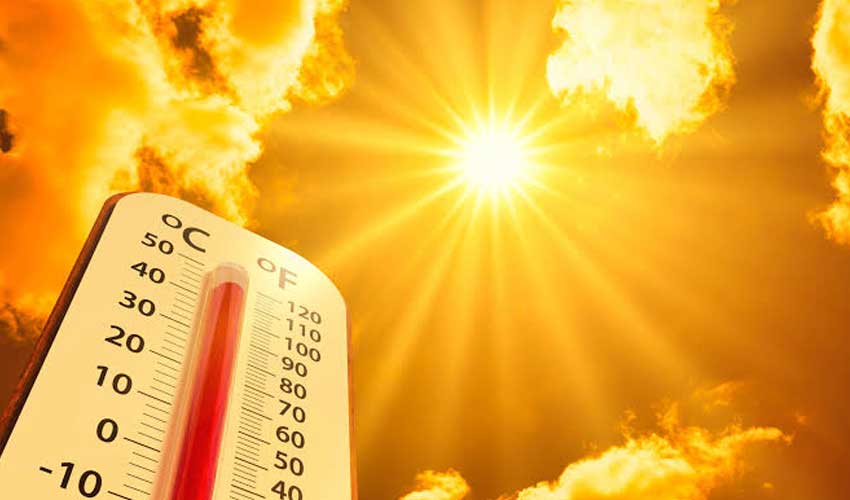
Staying hydrated has become essential to reduce the risk of dehydration and heat exhaustion.
The body loses large amounts of fluids and salts through perspiration, making prompt and proper replacement necessary. People should drink water regularly, with at least eight to 10 glasses a day recommended. Greater amounts are advised during prolonged exposure to the sun or physical activity. Water should be consumed steadily throughout the day rather than in large quantities at one time.
Hydration, shade and light clothing advised
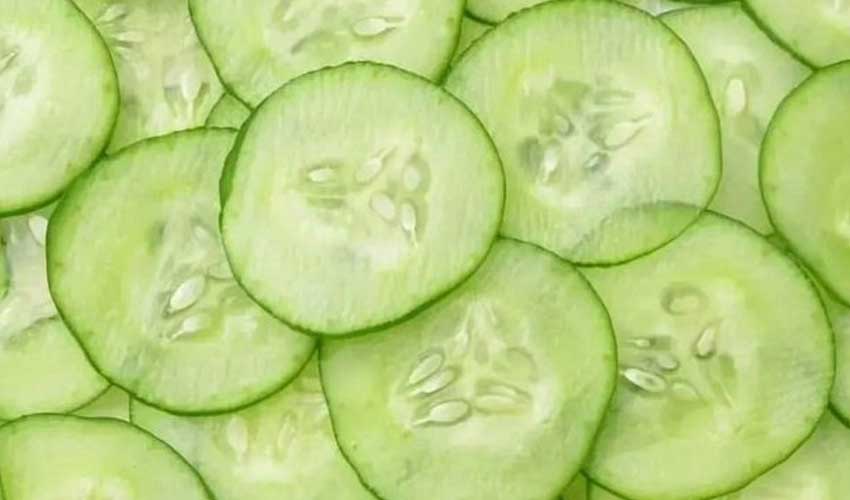
Water-rich fruit and vegetables, including watermelon, cucumber, oranges and strawberries, help restore fluids and salts. They also contain vitamins and minerals that support the immune system and lessen the effects of hot weather.
Caffeinated drinks such as coffee and tea may increase fluid loss. Their intake should be reduced during periods of intense heat and replaced with natural drinks, including fresh fruit juices.
Natural electrolyte drinks, such as a glass of water mixed with a little salt and lemon, help replace salts lost through perspiration. Yoghurt and buttermilk are also good sources of minerals, including sodium and potassium.
Lightweight, light-coloured cotton clothing helps reduce excessive sweating and keeps the body at a moderate temperature, limiting fluid loss.
People should avoid direct sunlight between 12 noon and 4pm, when the sun is at its strongest, and remain in the shade or air-conditioned places where possible.
Warning signs of dehydration include intense thirst, a dry mouth, headache, fatigue and reduced urination. Fluid intake should be increased immediately if these symptoms appear.