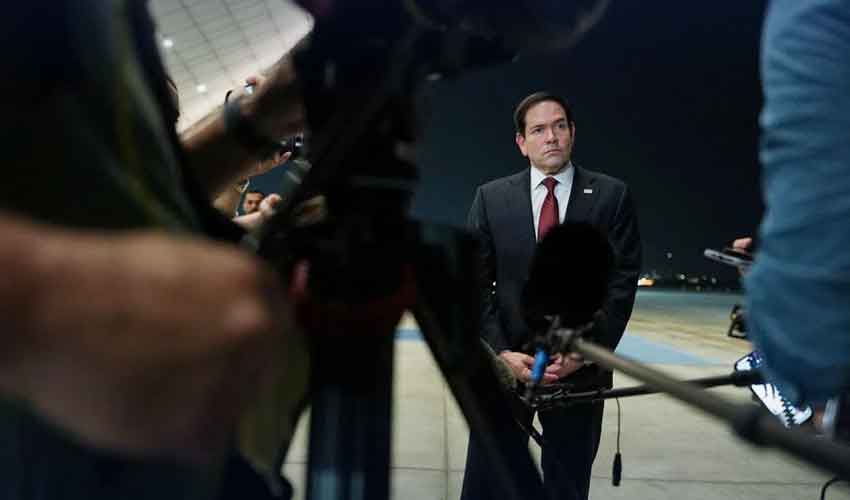
US Secretary of State Marco Rubio has begun a crucial Middle East tour aimed at reassuring Gulf Arab allies uneasy about President Donald Trump’s peace agreement with Iran, as concerns grow over the deal’s potential impact on regional security, military balance and energy routes.
Arriving in Abu Dhabi late on Tuesday, Rubio is undertaking his first major diplomatic mission focused on the agreement reached last week to end the four-month-long US-Israeli war with Iran.
Speaking to reporters upon arrival, Rubio admitted that concerns among Gulf allies would be a central topic during his meetings.
“That most certainly will come up in these discussions,” Rubio said when asked whether he would address regional unease over the accord.
He added that talks would also cover issues not included in the memorandum of understanding (MoU), underscoring that several key matters remain unresolved.
High-stakes Gulf tour begins
Rubio is scheduled to visit the United Arab Emirates, Kuwait and Bahrain, where he will meet officials from the Gulf Cooperation Council (GCC). The GCC comprises Saudi Arabia, the UAE, Qatar, Kuwait, Bahrain and Oman, all of which maintain close strategic ties with Washington.
The visit comes as Gulf governments privately express disappointment and surprise over elements of the interim agreement, despite publicly supporting diplomatic efforts to end the conflict before and during the war.
Key concerns over Iran agreement
At the heart of regional concerns are provisions contained in the draft agreement that many Gulf leaders believe could strengthen Iran’s position in the Middle East.
Among the most controversial aspects are the absence of restrictions on Iran’s ballistic missile programme, a proposed $300 billion reconstruction fund and provisions that could expand Tehran’s influence over regional affairs and critical maritime routes.
Rubio said he would not ask Gulf states to contribute to the reconstruction fund during the current trip, despite the memorandum suggesting regional countries could eventually help finance it.
“That’s far down the road,” he said, stressing that any future financial benefits for Iran would depend on Tehran’s behaviour.
Allies worry about regional balance
All six GCC countries offered varying degrees of logistical support to the United States during the US-Israeli war with Iran, which began four months ago.
At the same time, all six states were affected by Iranian attacks during the conflict, heightening concerns about the long-term consequences of the agreement.
Many Gulf governments view Iran as their primary regional rival and fear that improved US-Iran relations could alter the security balance across the Middle East.
Officials and analysts say some Gulf capitals are concerned that the agreement could pave the way for broader US normalisation with Tehran, potentially reducing the strategic importance of traditional American allies in the region.
The views of Gulf countries carry significant weight in Washington because they host critical US military infrastructure. The UAE, Saudi Arabia, Qatar, Kuwait and Bahrain are home to major American military bases that form the backbone of the United States’ security architecture in the Middle East.
Any reassessment of those security relationships by Gulf governments could have far-reaching implications for US military planning and regional strategy.
Rubio faces delicate political balancing act
For Rubio, the mission presents a unique challenge. While he must reassure nervous allies, he also needs to avoid appearing critical of a deal strongly backed by President Donald Trump.
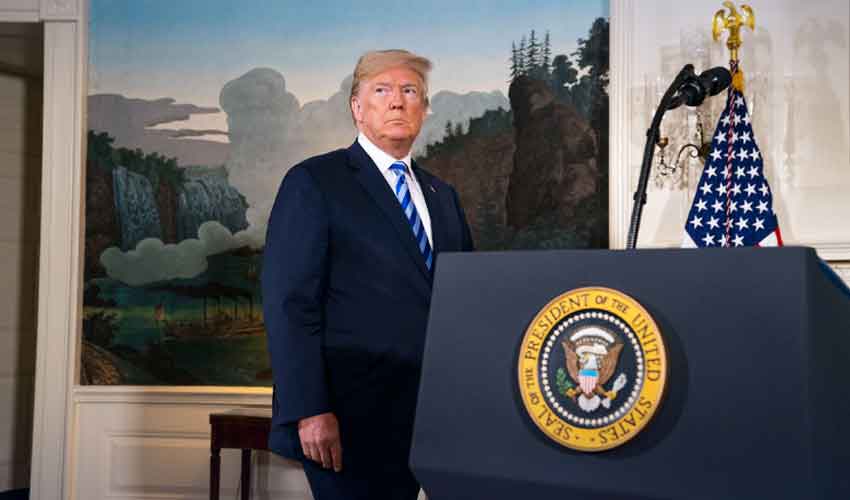
Trump signed the agreement last week and has continued to support it despite criticism from some fellow Republicans who argue the administration made excessive concessions to Tehran.
Rubio has remained largely absent from the Iran negotiations in recent weeks, leaving Vice President JD Vance and other senior administration officials to lead discussions with Iranian representatives, including talks held in Switzerland over the weekend.
His comments during the trip are expected to be closely scrutinized, particularly because Rubio was previously known as one of the Republican Party’s most outspoken critics of Iran.
Concerns over missiles, military rebuilding
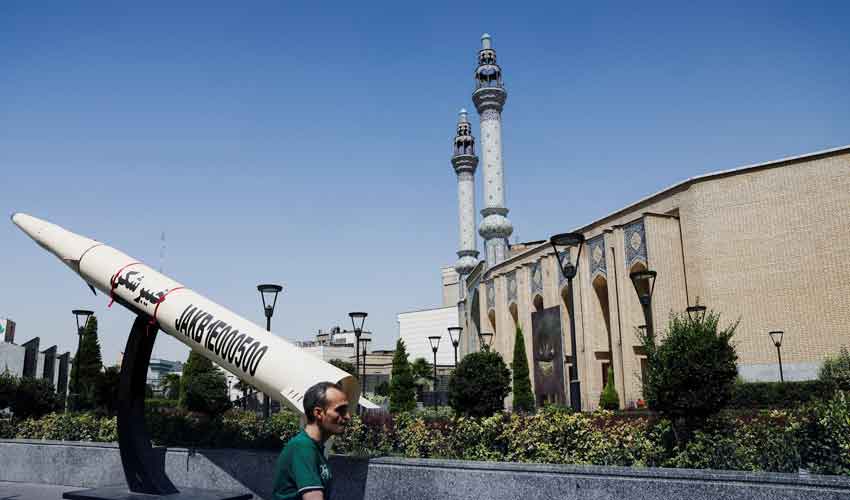
One of the most significant concerns among Gulf states relates to Iran’s ballistic missile capabilities.
Throughout the war, the Trump administration repeatedly stated that reducing Iran’s missile capacity was a key objective. That goal aligned closely with Gulf interests, as all GCC countries lie within range of Iranian missiles.
However, the memorandum of understanding contains no provisions addressing ballistic missiles.
Adding to regional concerns, Trump recently suggested that preventing Iran from possessing such weapons would be “unfair,” a remark that further alarmed Gulf allies.
Regional officials also fear that the proposed $300 billion reconstruction fund could allow Iran to rebuild military capabilities and expand support for allied groups across the region.
Bahrain and regional security fears
Bahrain is considered particularly sensitive to any increase in Iranian influence. Analysts say the kingdom’s Sunni-led government fears that a financially stronger Iran could encourage unrest among Bahrain’s majority Shia population.
During the Arab Spring, Bahrain witnessed repeated large-scale protests, and although Iran denies any covert involvement in domestic unrest, it has publicly expressed support for Bahraini Shi’ite activists in the past.
Strait of Hormuz remains major issue
Another major concern involves the Strait of Hormuz, one of the world’s most important oil and gas shipping routes. Some Gulf states believe the agreement could grant Iran a greater role in managing traffic through the strategic waterway.
Rubio sought to calm those concerns by stating that Iran would not be permitted to impose tolls on vessels using the strait because such a move would violate international law.
Beyond the immediate terms of the agreement, Gulf leaders are also wary of Washington’s broader rhetoric regarding future relations with Tehran.
US Vice President JD Vance recently stated that the United States was willing to “fundamentally transform” its relationship with Iran, a remark that raised concerns among several regional partners.
UAE and Kuwait among countries most affected
Among the countries on Rubio’s itinerary are the UAE and Kuwait, both of which host strategic American military bases and were targeted by Iranian missile and drone attacks during the conflict.
Those attacks resulted in civilian casualties and heightened security concerns throughout the Gulf.
The UAE has also faced significant economic pressure as the conflict prompted thousands of expatriate workers, who play a central role in its non-oil economy, to leave the country.
The exodus has raised questions about the long-term resilience of one of the region’s leading financial hubs located close to a country that recently attacked it.
Reports of covert Iranian-linked operations
Adding to regional tensions, Reuters reported last week that Iran established covert cells in Iraq to conduct attacks against Gulf countries, including Kuwait and the UAE.
According to the report, the cells carried out at least seven drone attacks targeting sites in Kuwait, the UAE and Saudi Arabia during April and May.
The allegations have further reinforced Gulf concerns about regional security and the future implications of any agreement that could strengthen Tehran’s position.