The National Assembly on Tuesday approved the federal budget for the fiscal year 2026-27, formally passing the Finance Bill after a clause-by-clause review of the legislation.
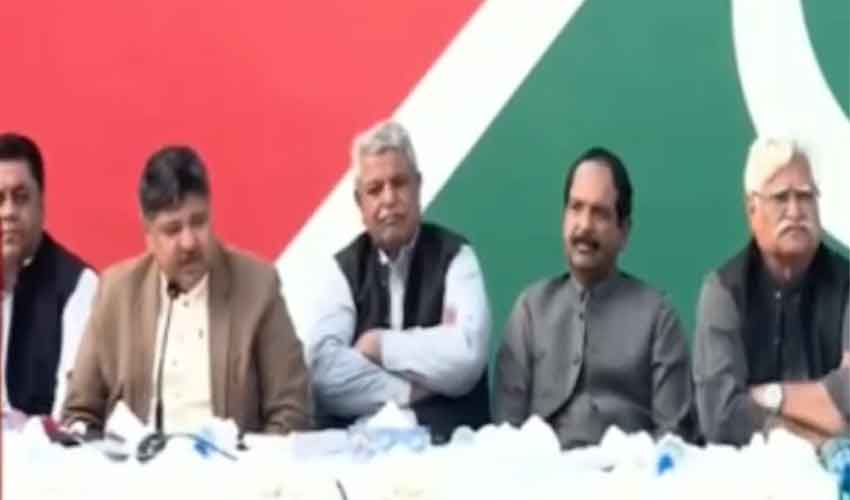
The budget, with a total outlay of Rs18,771 billion, was approved in the absence of Pakistan Tehreek-e-Insaf (PTI) members, who were not present in the House at the time of the bill’s final approval.
Finance Minister Muhammad Aurangzeb presented the Finance Bill before the House for approval. The National Assembly first approved a motion to take the Finance Bill into consideration before proceeding with a clause-by-clause review of the proposed legislation.
Throughout the process, lawmakers debated various amendments, but all opposition-sponsored proposals were ultimately rejected, while government-backed amendments were approved.
Opposition amendments rejected
The House continued clause-wise approval of the Finance Bill as opposition members presented several amendments.
Jamiat Ulema-e-Islam (JUI) member Alia Kamran proposed amendments to the Finance Bill, while opposition members also submitted amendments to Clause 2.
An opposition amendment seeking to reduce the tax on vehicles up to 1,000cc from Rs20,000 to Rs10,000 was rejected. The opposition’s amendments to Clause 3 were not presented, while Alia Kamran’s amendment to Clause 4 was rejected through a majority vote.
Amendments proposed by Alia Kamran and Naeema Kishwar in Clause 6 were also rejected by a majority vote.
Some amendments withdrawn
Pakistan Peoples Party (PPP) lawmaker Ali Haider Gilani withdrew his amendment related to taxation on mobile phones. Later, PPP member Ali Qasim Gilani also withdrew his own amendment.
Gilani informed the House that the government had reduced the regulatory duty on mobile phones by 20% and had also decided to allow PTA tax payments in installments.
Govt amendments approved
The House approved amendments proposed by Finance Minister Muhammad Aurangzeb in Clauses 5 and 6 by majority vote.
The government was able to secure passage of its proposals as the Finance Bill moved through the National Assembly following the opposition’s walkout.
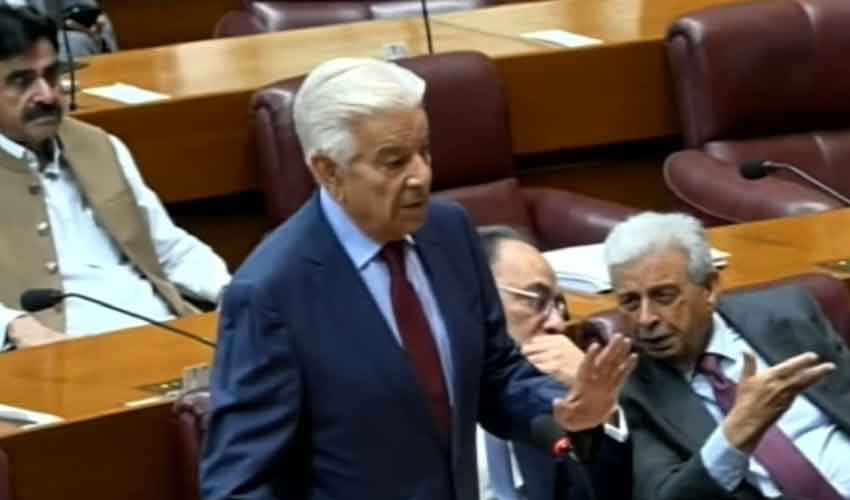
During the proceedings, MQM-P lawmaker Khawaja Izharul Hassan criticized the government's decision regarding taxation on foreign dramas. He stated that Pakistan previously received Rs1 million per installment on foreign dramas and argued that abolishing the tax would reduce government revenue.
“Foreign dramas cannot shape your national narrative,” he said, warning that the move could damage Pakistan’s domestic drama industry.
His amendment seeking taxation on foreign dramas, however, was rejected by the House.
The National Assembly also rejected a proposal seeking the abolition of tax on special allowances for Parliament House employees. JUI lawmaker Shahida Begum introduced an amendment to Clause 5 of the Finance Bill, but it did not secure approval.
Barrister Gohar criticises tax measures
During the budget debate, PTI Chairman Barrister Gohar raised concerns over several proposed tax and customs measures.
He argued that controversial taxes should not be imposed and criticized provisions that allow customs authorities to freeze the assets of businesspersons during trial proceedings.
“The authority of Customs to freeze the assets of businessmen during the trial is tantamount to economic murder,” he said.
Barrister Gohar also opposed the proposal to establish a scrutiny committee before appeals can be filed in court. In addition, he presented new proposals related to amendments in sales tax, customs duties and income tax laws.
Budget approved, session adjourned
Following the approval of the Finance Bill and completion of legislative business, the National Assembly approved the federal budget for FY2026-27. The House was subsequently adjourned until Wednesday.
The passage of the budget marks the completion of one of the most significant parliamentary processes of the year, setting the government's fiscal agenda for the next financial year.