Keir Starmer has become the latest addition to Britain's unprecedented cycle of prime ministerial turnover, announcing his resignation after acknowledging that the Labour Party no longer sees him as the right person to lead it into the next general election.
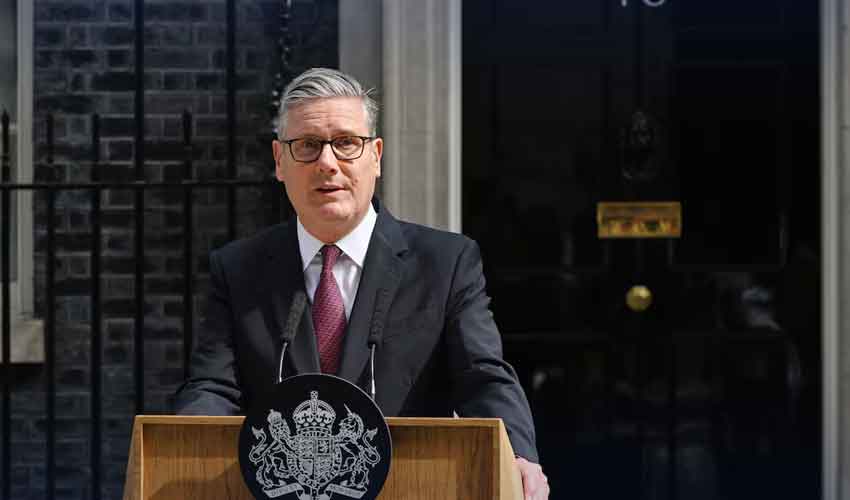
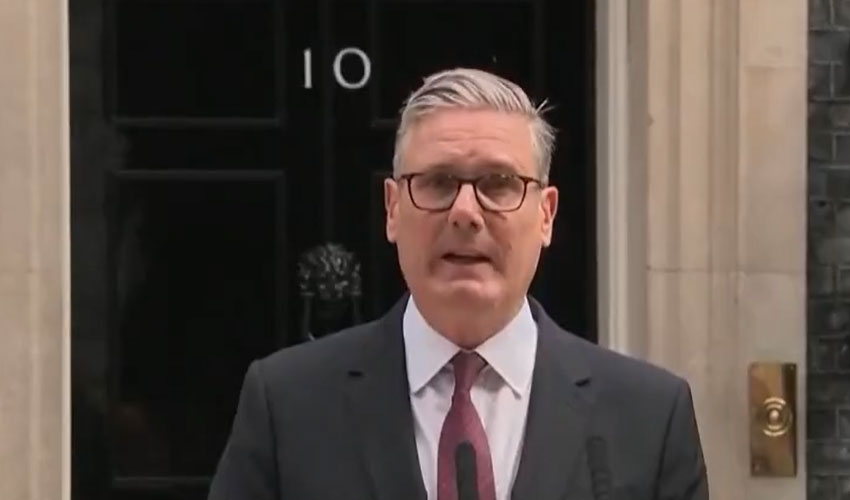
In a televised statement outside 10 Downing Street, Starmer confirmed he would step down as Labour leader and informed King Charles of his decision, triggering a formal leadership contest. The outgoing prime minister said he had accepted the verdict from within the Labour Party and would leave office with "good grace."
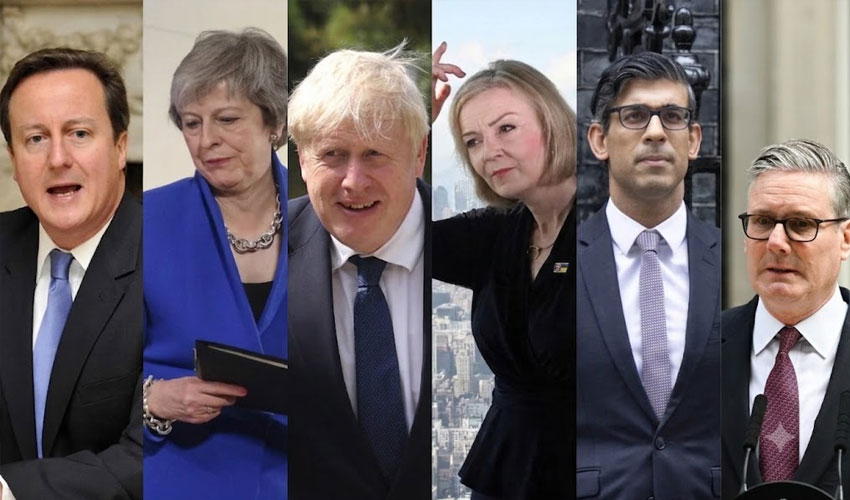
His departure marks a stark continuation of the institutional instability that has defined British politics since 2016—a decade in which six prime ministers have served but none completed a full term.
The timeline: Nation's leadership crisis
Since David Cameron's departure in 2016, Britain's prime ministerial office has become defined not by longevity but by volatility:
David Cameron — 429 days (June 2010 – July 2016) The longest-serving among recent PMs in this cycle, Cameron stepped down following the Brexit referendum, his political capital exhausted by the nation's seismic vote to leave the European Union.
Theresa May — 1,106 days (July 2016 – July 2019) May inherited the Brexit chaos and fought for over three years to secure a withdrawal deal, only to see her authority eroded by repeated parliamentary defeats and backbench rebellions. She ultimately resigned when it became clear she could not deliver the legislation her party demanded.
Boris Johnson — 1,140 days (July 2019 – September 2022) Despite winning a landslide election victory and finally delivering Brexit, Johnson's tenure unraveled under the weight of pandemic-era scandals, including the "Partygate" controversy and a cascade of ministerial resignations over his handling of misconduct allegations.
Liz Truss — 49 days (September 2022 – October 2022) In a historic implosion, Truss became Britain's shortest-serving prime minister. Her mini-budget triggered a financial market crisis, the pound plummeted, and she lost control of her party within weeks, leaving office in utter humiliation.
Rishi Sunak — 619 days (October 2022 – July 2024) Sunak took office as the Conservative Party's third PM in two years, attempting to restore stability after Truss's chaos. However, he inherited an exhausted government facing widespread public anger. Persistent Conservative losses in by-elections and local contests eroded his authority.
Keir Starmer — 717 days (July 2024 – June 2026) Labour's landslide victory in July 2024 promised a fresh start after 14 years of Conservative rule. Starmer campaigned on restoration and competence. Yet internal party pressures, including a high-profile by-election defeat to Andy Burnham, ultimately forced him to acknowledge that his own party had lost faith in his leadership.
The paradox: Achievements despite collapse
Before announcing his departure, Starmer defended his government's record, highlighting tangible policy achievements:
- Improvements in economic growth and rising wages
- Major infrastructure investment projects
- Reduced NHS waiting lists
- Expanded protections for workers and renters
- Enhanced public service delivery
Yet despite these deliverables, mounting dissatisfaction within Labour's ranks proved decisive. Party members and lawmakers concluded that leadership change was necessary—not because the government had failed in policy terms, but because the prime minister had lost their confidence.
What's next: Labour's leadership race
The Labour Party's National Executive Committee (NEC) will oversee the selection of Starmer's successor. Nominations open July 9, formally launching the race.
The selection process operates in three stages:
Stage 1: Parliamentary Support Candidates must secure backing from 81 Labour MPs (20% of parliamentary representation).
Stage 2: Grassroots Endorsement Candidates then need support from either:
- Five percent of Labour constituency parties, or
- Three affiliated organizations (including at least two trade unions representing five percent of affiliated membership)
Stage 3: Member Vote Party members rank candidates by preference. If no candidate secures over 50% of first-preference votes, the lowest-ranked candidate is eliminated and votes redistributed until a clear majority emerges.
The winner will almost certainly become both Labour leader and the next prime minister, provided the party maintains its parliamentary majority.
The bigger picture: Institutional breakdown?
Starmer's resignation completes a remarkable chapter in British political history. In a single decade, six prime ministers have held office—none serving a full constitutional term. This unprecedented turnover raises fundamental questions:
- Has the office of prime minister become unsustainable under modern electoral and media pressures?
- Do political parties now lack the patience or stability to sustain long-term leadership?
- What does this instability signal for Britain's international standing and policy continuity?
As Labour selects its seventh prime minister in a decade, the broader challenge remains: not simply choosing a new leader, but restoring the institutional stability that British governance has lacked since 2016.
The revolving door at 10 Downing Street continues to spin.
Key Dates:
- June 22, 2026 — Starmer announces resignation
- July 9, 2026 — Leadership nominations open
- July 2026 — Labour NEC determines final contest timeline
- Late July/August 2026 — Leadership election likely to conclude