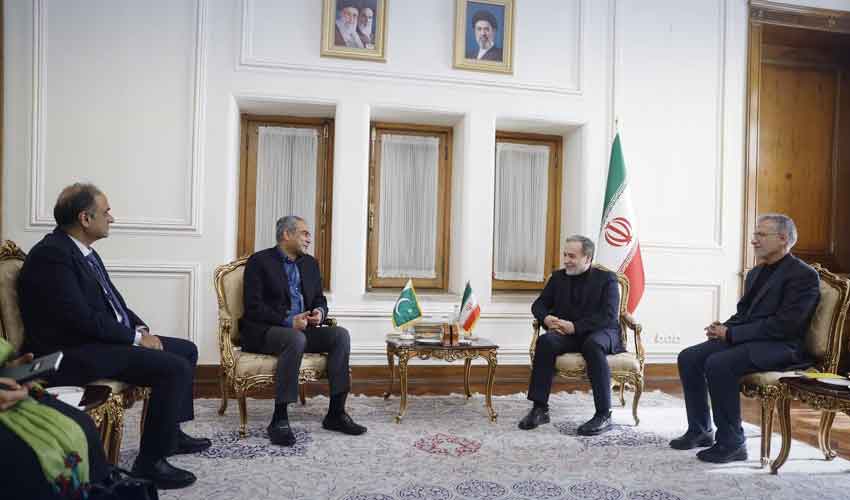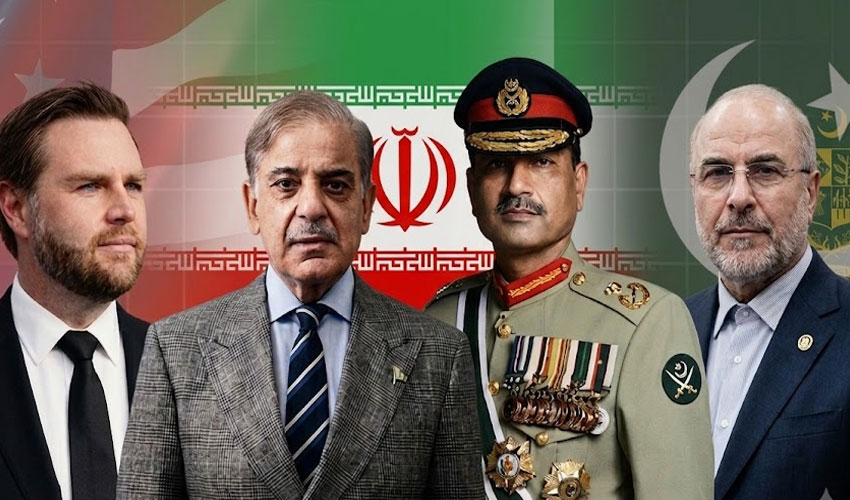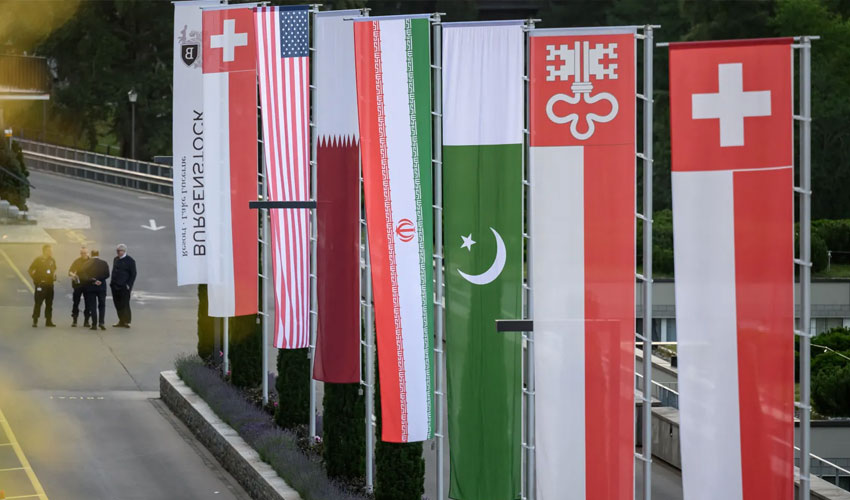
The United States and Iran have agreed on a structured roadmap to reach a final peace agreement within 60 days after marathon negotiations in the Swiss resort of Bürgenstock.
The breakthrough was announced in a joint statement issued by mediators Pakistan and Qatar, marking a significant step forward in ongoing diplomatic efforts.
After long and intensive negotiations, both sides agreed to move forward with a formal 60-day framework aimed at achieving a comprehensive peace deal.
According to the joint statement:
- A high-level committee has been established to oversee the process
- Technical-level negotiations will continue immediately
- Working groups will focus on nuclear issues, sanctions, and dispute resolution
- A mechanism has been created for continuous monitoring and implementation
Pakistan and Qatar said the talks were held in a “positive and constructive atmosphere” with encouraging progress on key issues.
Switzerland’s role as a global diplomatic hub
Switzerland has long been recognized as one of the world’s most important centers for diplomacy and international agreements.
Cities like Geneva have hosted major negotiations that shaped global politics, conflict resolution, and humanitarian law.
Its neutral political stance has made it a preferred location for peace talks and multilateral agreements.
Major international organizations based in Switzerland
Switzerland hosts several key global institutions, particularly in Geneva and Zurich:
- United Nations Office at Geneva (UNOG) – second-largest UN hub after New York
- World Health Organization (WHO) – global health policymaking and pandemic response
- World Trade Organization (WTO) – international trade rules and dispute settlement
- International Labour Organization (ILO) – global labour rights and standards
- International Committee of the Red Cross (ICRC) – humanitarian protection in conflict zones
- UNHCR (United Nations High Commissioner for Refugees) – refugee protection and asylum support
- FIFA (Zurich) – global governing body of football
- Bank for International Settlements (BIS) – central banking coordination and financial stability
These institutions underline Switzerland’s central role in global governance.
Historic agreements signed in Switzerland
Geneva Conventions (1949)
One of the most important frameworks in international law, the Geneva Conventions define the rules of armed conflict.
They cover:
- Protection of wounded and sick soldiers on land
- Protection of wounded and shipwrecked forces at sea
- Treatment and rights of prisoners of war
- Protection of civilians during war
Additional protocols introduced later strengthened protections in internal conflicts and modern warfare. Today, nearly all countries are signatories.
1951 Refugee Convention
Signed in Geneva, this agreement established the global legal framework for refugee protection.
It defines:
- Rights of refugees
- Legal protection standards
- Responsibilities of host countries
The framework remains the foundation of global refugee policy under the UNHCR.
1954 Geneva Accords (Indochina Peace Agreement)
This agreement helped end the First Indochina War involving Vietnam, Laos, and Cambodia.
It temporarily divided Vietnam and marked one of the early major Cold War diplomatic settlements.
1988 Geneva Accords (Afghanistan Withdrawal)
Another major agreement was reached in Geneva that led to the withdrawal of Soviet forces from Afghanistan.
It played a key role in ending a major Cold War conflict and reshaping regional dynamics in South Asia.