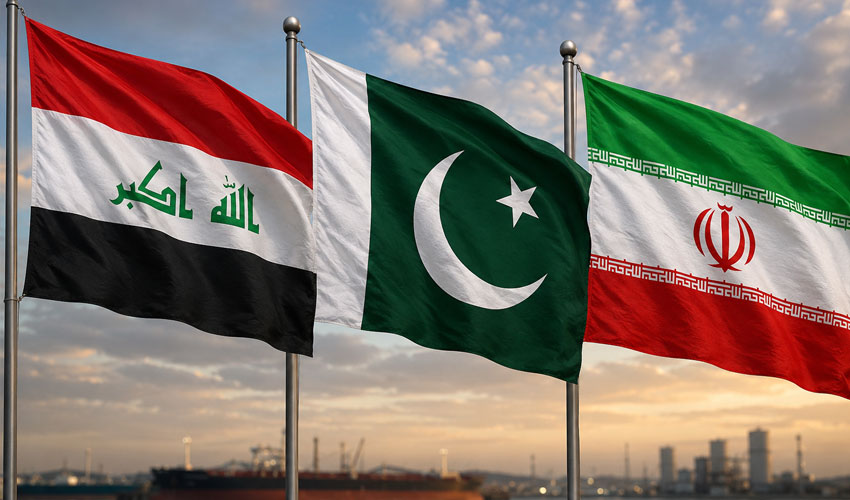
Iraq and Pakistan have reportedly reached separate agreements with Iran to ensure the passage of oil and liquefied natural gas shipments through the Strait of Hormuz, according to multiple sources cited by Reuters.
The development comes as Tehran increasingly asserts control over one of the world’s most critical energy routes amid escalating regional tensions.
The ongoing US-Israeli conflict with Iran has severely disrupted energy exports from the Gulf region, which normally accounts for nearly 20% of global crude oil and LNG supplies.
While Iran had initially considered blocking the Strait of Hormuz completely, analysts say Tehran has now shifted towards controlling access to the route instead.
Claudio Steuer of the Oxford Institute for Energy Studies said Iran’s strategy appears to have evolved significantly.
“Hormuz is no longer a neutral transit route, it is a controlled corridor,” he said, describing Tehran’s growing influence over maritime traffic in the area.
Iraq secures oil shipments
According to Reuters, Iraq recently secured safe passage for two very large crude carriers transporting nearly 2 million barrels of oil each through the Strait of Hormuz.
The agreement between Baghdad and Tehran has not been previously reported.
An Iraqi oil ministry official familiar with the matter said the government is now seeking approval from Iran for additional oil shipments as Iraq attempts to protect oil revenues that make up nearly 95% of its national budget.
The Iraqi official noted that Baghdad’s economic stability is also important for Tehran due to their close political and economic ties.
Two additional sources, including another Iraqi oil ministry official and a shipping industry source, confirmed ongoing discussions with Iran regarding future transit arrangements.
Pakistan receives LNG shipments
Pakistan has also reportedly reached a separate understanding with Tehran to facilitate LNG shipments from Qatar through the Strait of Hormuz.
According to industry sources cited by Reuters, two LNG tankers carrying Qatari gas are currently headed to Pakistan following the arrangement between Islamabad and Tehran.
Pakistan relies heavily on Gulf energy imports and previously received around 10 LNG cargoes every month before the conflict disrupted regional shipping routes.
Sources told Reuters that neither Iraq nor Pakistan made direct payments to Iran or the Islamic Revolutionary Guard Corps (IRGC) for the transit arrangements.
The report also stated that Qatar was not directly involved in the bilateral negotiations but had informed the United States before the LNG shipments to Pakistan.
Energy crisis deepens
Industry experts warned that other countries may also seek similar arrangements with Iran as energy prices continue to rise globally.
Saul Kavonic, head of research at MST Marquee, said increasing agreements with Tehran could normalize Iran’s long-term control over the Strait of Hormuz.
Before the conflict, nearly 3,000 vessels passed through the strait every month. Current traffic levels have reportedly dropped to nearly 5% of normal activity.
The disruption has caused Brent crude prices to jump by more than 50% since the conflict began in late February.
Meanwhile, LNG prices across Europe and Asia have surged between 35% and 50%, adding pressure on energy-importing economies, particularly in Asia.
Iran formalising oversight
Reuters sources said Iran is now formalising operational control over the Strait of Hormuz.
As part of the process, Iraq has reportedly been asked to provide detailed documentation for each tanker seeking passage, including vessel ownership, cargo details, destinations, and shipping specifications.
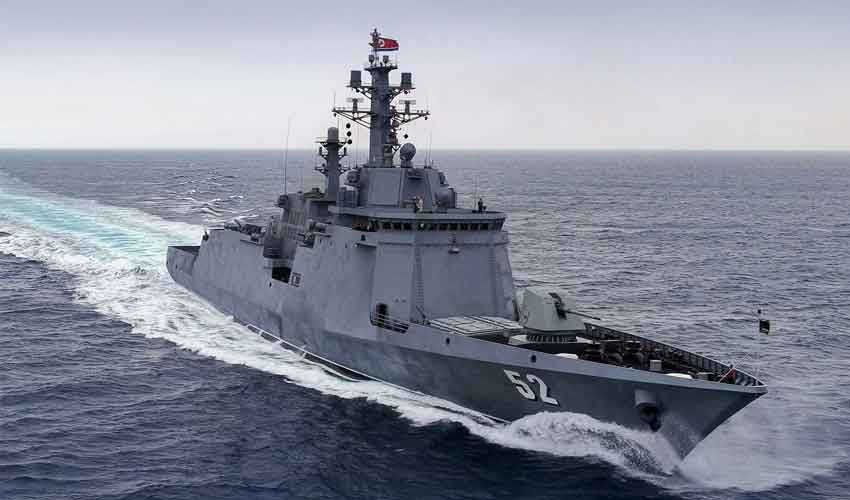
Iranian naval forces are overseeing designated maritime routes to avoid potential incidents during transit.
A Pakistani source familiar with discussions with Iran acknowledged that negotiations have faced occasional difficulties.
“The IRGC sometimes changes the goalposts, so it is hard to keep things on track, but we are working through it,” the source said.