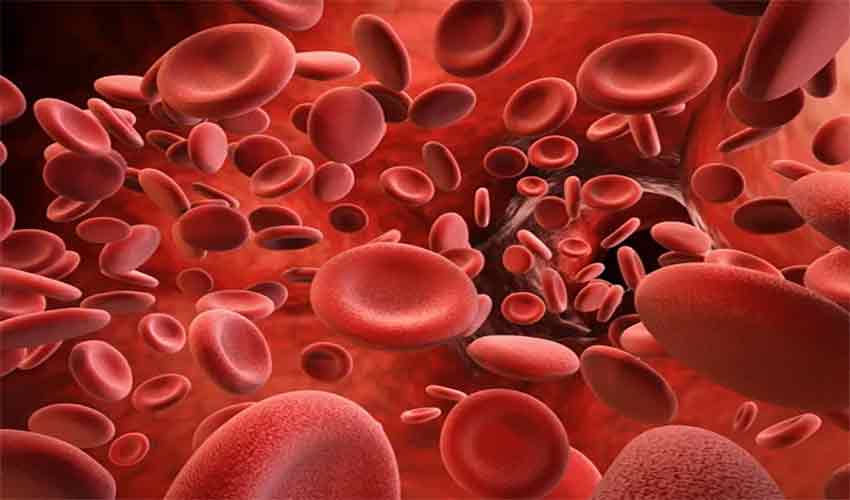
A new study suggests that dangerously low levels of iron in the body may significantly increase the risk of developing dementia in later life.
Medical experts have long warned that individuals with low blood iron levels - medically known as anemia - may face a higher likelihood of experiencing declines in cognitive abilities, including memory, communication, thinking, and understanding.
However, scientific evidence on whether changes in iron levels directly contribute to dementia risk has remained mixed.
Researchers in Sweden have now reported that people diagnosed with anemia were more than 60 percent more likely to develop dementia later in life.
The study tracked thousands of individuals over the age of 60 for nearly a decade to assess long-term health outcomes. Based on their findings, researchers suggested that anemia could be considered a potential risk factor for dementia.
However, they also emphasized that the study does not prove a direct cause-and-effect relationship. Instead, it identifies an association between anemia and increased dementia risk, noting that further research is needed to fully understand the connection.



.jpg)