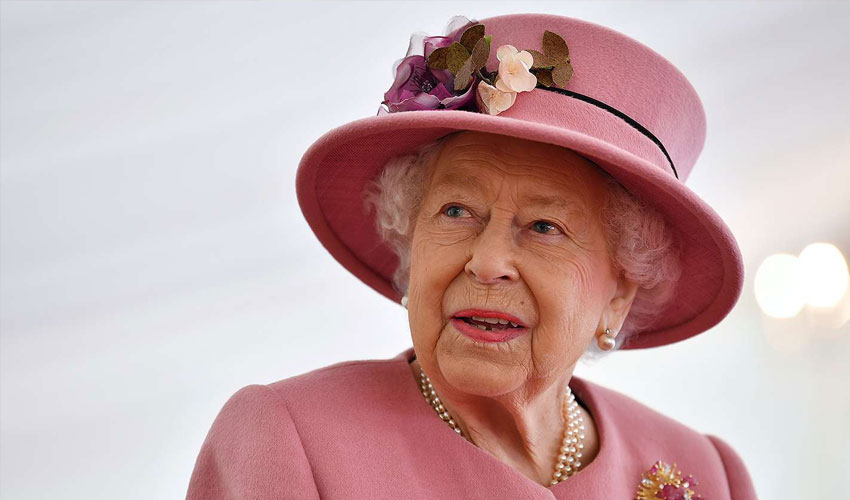
A new book has shed light on the later years of Queen Elizabeth II, describing how she continued to lead firmly despite facing mobility challenges in her final years.
The biography highlights her strength, discipline, and long-standing authority during a period of major national transition.
Royal biographer Robert Hardman, in his new book Elizabeth II: In Private. In Public. Her Story, praises Queen Elizabeth II for steering the monarchy through a period of global and political transformation.
He noted that unlike previous monarchs, her reign involved overseeing Britain’s transition from an imperial power to a modern constitutional state.
Strength amid physical challenges
Hardman writes that even in her late 90s, when she experienced mobility issues, there was no discussion of abdication.
He emphasized that her authority remained “undimmed” despite visible health challenges.
According to him, the Queen continued to fulfill her role with consistency and dedication until the end of her reign.
Symbol of stability
The biography also highlights how Queen Elizabeth II maintained her sense of duty despite personal limitations.
Her ability to continue public engagements, even in a reduced capacity, is presented as a reflection of her commitment to the Crown.
Queen Elizabeth II is widely regarded as one of the most successful monarchs in British history, having ruled for over 70 years.
Her leadership is remembered for stability, continuity, and adapting the monarchy to a rapidly changing world.







.jpg)