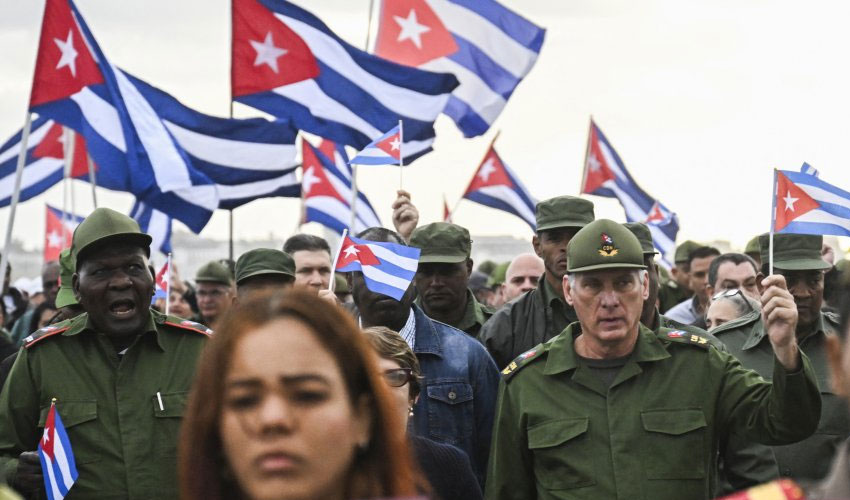
Cuban security personnel and medical staff have begun leaving Venezuela as Interim President Delcy Rodriguez assumes control of her government’s protection and intelligence operations.
The move comes amid mounting U.S. pressure to dismantle the longstanding Cuba-Venezuela alliance.
Under Rodriguez, Venezuelan bodyguards now protect the presidential office, a break from the practice under Nicolás Maduro and Hugo Chavez, who relied on elite Cuban forces.
Some Cuban advisers were removed from positions in Venezuela’s DGCIM counterintelligence unit, and several Cuban medical workers and security advisers have returned to Havana in recent weeks, according to multiple sources.
The departures reflect Rodriguez’s cautious approach as she balances internal loyalty with external pressure from Washington.
Historical role of Cuban advisers
Cuban intelligence and security personnel were critical to the survival of the Chavista government, embedded in military units and Venezuela’s formidable counterintelligence apparatus.
“The Cuban influence was absolutely essential,” said Alejandro Velasco, associate professor of history at New York University and expert on Venezuela. Cuban personnel also provided medical and educational services across Venezuela, exchanged for oil shipments that supported Havana’s economy.
US pressure to sever ties
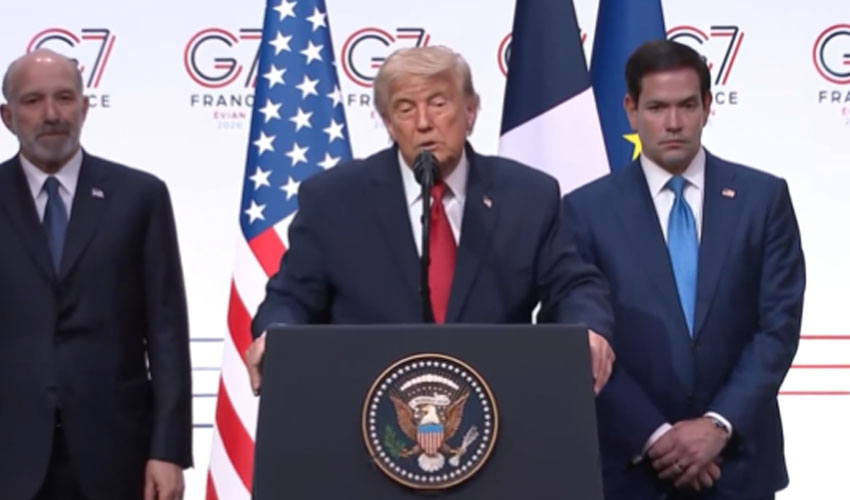
Following a U.S. military operation on January 3, which killed 32 Cubans guarding Maduro, President Donald Trump publicly vowed to end the security relationship between Venezuela and Cuba.
Washington has blocked Venezuelan oil exports to Cuba as part of broader economic pressure on Havana. A White House official emphasized that Rodriguez’s interests align with advancing U.S. objectives, though they noted the Venezuelan government must make statements for domestic political reasons.
Cuba has expressed willingness for dialogue but condemned the oil blockade and U.S. intervention. Cuban state media confirmed that flights resumed in mid-January, allowing Cuban personnel to return home or end their missions after the January 3 events.
While the Cuban presence in Venezuela is diminishing, some intelligence agents and military advisers remain in-country, along with Cuban professors teaching at UNES, the state university for police and security forces.
Balancing loyalty and pressure
Experts note that Rodriguez is navigating a delicate path, distancing Cuban personnel without fully abandoning them, while consolidating her own hold on power. The legacy of Cuban counterintelligence remains evident in Caracas, where Maduro loyalists still occupy key positions.
“Rodriguez is treading very carefully,” said Frank Mora, former U.S. ambassador to the Organization of American States. “She wants to keep the Cubans at a distance until the political situation stabilizes, but not entirely throw them under the bus.”
.gif)
.jpg)