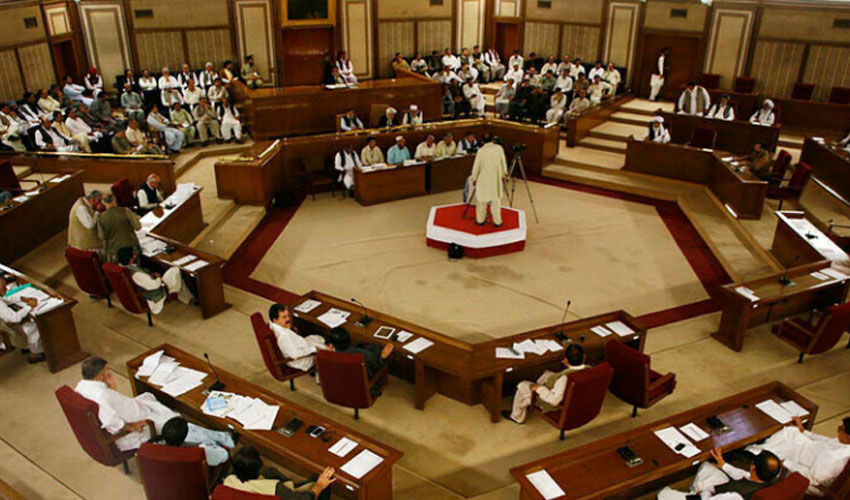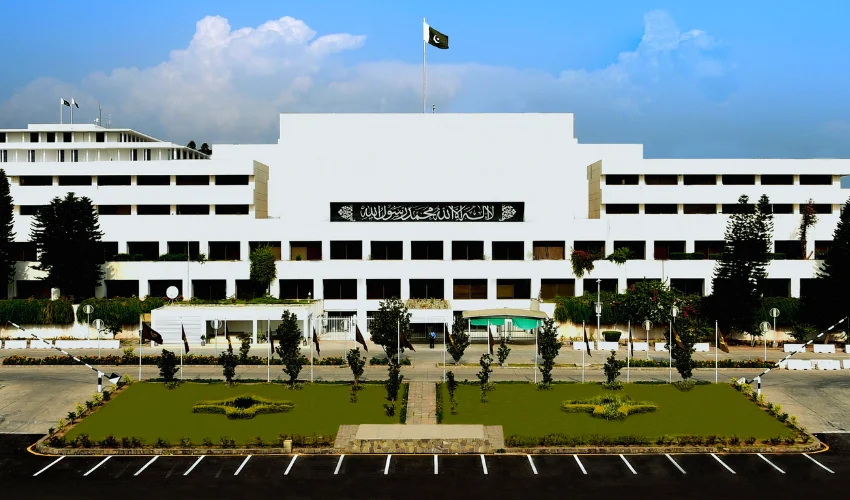
The year 2025 proved unusually significant for Parliament in terms of law-making, with fast-paced legislation seen in both houses.
According to details surfaced on Tuesday, the government drove most of the legislative activity, while a large part of the opposition remained engaged in protests and walkouts. Many amendments and proposals tabled by opposition members stayed confined to committee stages.
Dozens of bills were introduced in the National Assembly, of which 31 were passed. These laws covered constitutional amendments, digital regulations, defence matters and administrative reforms. The opposition raised strong objections to the passage of several laws without extended debate.
The most notable development of the year was the approval of the 27th Constitutional Amendment, passed by both the National Assembly and the Senate. The amendment brought major changes to the judicial system, the balance of federal and provincial powers, and the structure of military leadership.
Under the amendment, changes were made to the tenure and role of the Army Chief, with the position also assigned the additional office of Chief of Defence Forces.
Through the same amendment, the country’s higher judiciary was, for the first time, divided into separate structures for a Federal Constitutional Court and the Supreme Court. It was also decided that the most senior of the two court heads would serve as the Chief Justice of Pakistan.
Parliament also passed the Army Act (Amendment) Bill 2025, the Pakistan Navy (Amendment) Bill 2025, and the Pakistan Air Force (Amendment) Bill 2025.
Similarly, the PECA Amendment Bill was approved, introducing strict regulatory powers over social media and online content, including penalties and fines for misinformation.
In addition, the Members of Parliament Salaries and Privileges (Amendment) Bill 2025, the Lawyers and Bar Councils (Amendment) Bill, the Acid and Fire Burning Crime Bill, and the Zakat and Ushr (Amendment) Bill became law.
According to parliamentary sources, the bulk of legislation in 2025 consisted of government bills, while many opposition proposals failed to reach the implementation stage.
Questions over parliamentary performance remain, yet 2025 stood out as a year in which legislation kept the country’s political temperature consistently high.




.jpg)