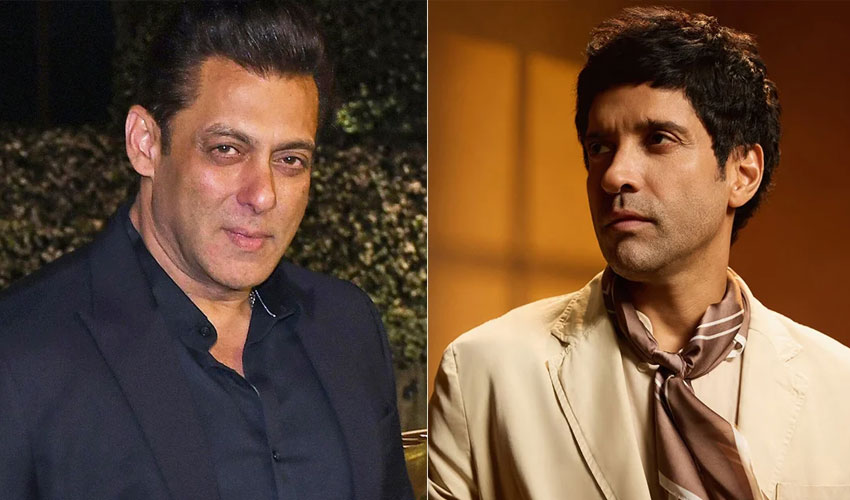
Indian screenwriter and lyricist Javed Akhtar has found himself at the centre of a fresh debate after a video of his remarks on the burqa went viral online.
The comments have gained renewed attention amid controversy surrounding Bihar Chief Minister Nitish Kumar and a hijab-related incident in Patna.
Javed Akhtar made the comments during the SOA Literary Festival 2025 in November.
During a question-and-answer session, a student asked him about being raised by women who did not wear burqas.
In response, Akhtar questioned why women should feel ashamed of showing their faces. He asked why covering the face was considered necessary and what social reasoning lay behind it.
The Zanjeer writer said that standards of dressing should apply equally to men and women. He explained that just as a man wearing a sleeveless shirt may be considered undignified in certain settings, women too should dress decently.
Akhtar stressed that the discussion should focus on dignity rather than targeting women alone. His remarks sparked mixed reactions online, with supporters and critics weighing in.
Burqa as ‘peer pressure,’ Akhtar claims
The 80-year-old writer went on to argue that face covering is often shaped by societal influence.
He described wearing a burqa as “peer pressure” rather than always being a personal choice.
Akhtar suggested that even when a woman says she chooses to cover her face, external pressure may play a role.
He asked, “Why should anyone hide their face? Is it shame? Is it vulgar? What’s the reason?”
Incident adds fuel to debate
Akhtar’s remarks resurfaced amid a recent controversy involving Bihar Chief Minister Nitish Kumar.
At a government event in Patna, Kumar was seen pulling down the hijab of a newly recruited woman doctor.
The incident triggered widespread criticism and condemnation on social media.
Many described the act as inappropriate and intrusive.
Former actor Zaira Wasim also criticised Nitish Kumar over the incident.
She termed his actions “infuriating” and demanded a public apology.
Her comments further amplified the debate, drawing attention to issues of consent and personal choice.
The controversy continues to spark strong reactions across India.



.jpg)