Rescue operations in Colombia have entered what officials described as the “final phase” following a devastating magnitude 7.4 earthquake that has killed at least 265 people and injured more than 3,500.
The earthquake struck on Monday and was the strongest to hit Colombia this century.
Nearly 500 people remain missing, according to local authorities, while more than 9,550 homes have been destroyed across the affected areas.
Pereira, located in Colombia’s coffee-growing region, recorded 83 deaths, while 74 people were killed in Cali, the country’s third-largest city.
“We’re entering the final phase,” Cali Mayor Alejandro Eder said, warning that the chances of finding survivors become lower as time passes.
Rescuers race against time
Emergency crews were approaching the critical 72-hour period following the earthquake, when survivors trapped beneath collapsed structures are considered most likely to be found alive.
In Pereira, rescuers were searching through the remains of a collapsed bakery after detecting possible signs of life from a street vendor believed to be trapped beneath the rubble.
Rescue teams used vibration-detection equipment while relatives gathered near the site hoping for his survival.
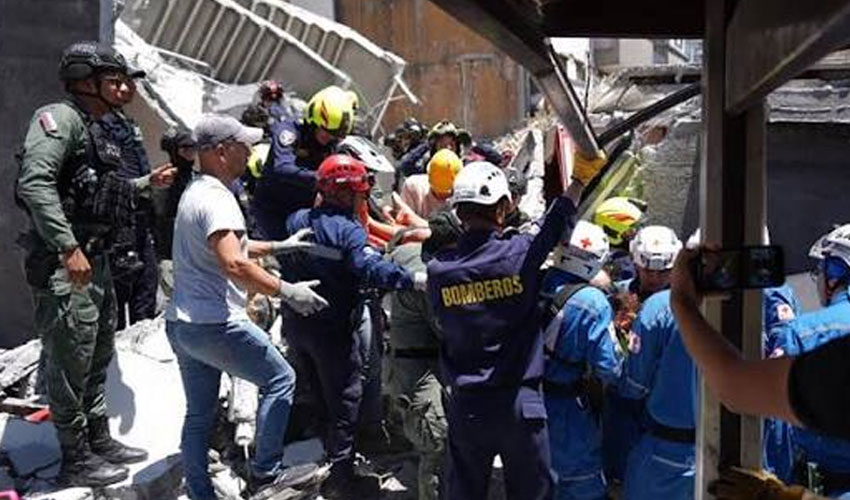
In Cali, emergency workers continued searching through a third night using cranes, sniffer dogs and manual labour.
Rescuers have repeatedly halted operations to listen for sounds from beneath collapsed buildings.
At one site, three people were reportedly pulled alive from the rubble while three others were recovered dead.
Colombians mobilise to help
Thousands of people have joined relief efforts, delivering water, food and other supplies to affected communities.
Long queues also formed at blood donation centres as residents sought to support those injured in the disaster.
At the Torres del Limonar complex in southern Cali, residents, soldiers and municipal workers formed human chains to remove rubble from damaged buildings.
Officials said rescue operations became more organised after authorities restricted the number of volunteers at some sites, reducing noise and vibrations and allowing rescue equipment to detect possible movement more effectively.
President announces emergency fund
President Abelardo de La Espriella, who took office just three days before the earthquake, travelled to affected areas and promised to establish an emergency fund to rebuild destroyed hospitals, schools, homes and infrastructure.
“This is undoubtedly a tragedy of immense proportions,” he said, adding that authorities were focusing on people still missing.
The president also declared an economic emergency over the earthquake's damage, although he did not immediately provide details of the measures involved.
The disaster has also emerged as an early test for the new administration, which campaigned on reducing public spending and had proposed cuts to the country’s state risk-management system.
Analysts said the emergency response could put pressure on the government as it deals with the scale of the devastation.