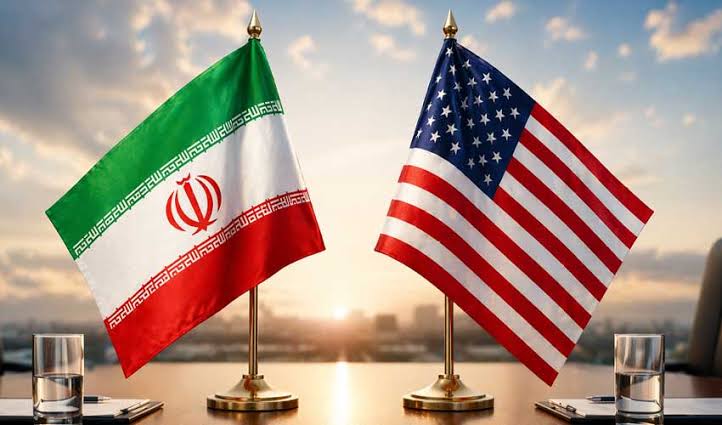
The United States and Iran have agreed to extend their 60-day ceasefire under the Islamabad Memorandum of Understanding (MoU), Pakistani government sources told Anadolu on Wednesday.
The two sides have conveyed their consent to mediators, although they are still exchanging messages to determine the exact length of the extension.
A source close to the mediation process said both Washington and Tehran had informed mediators that they agreed to extend the ceasefire.
“Both sides have conveyed their consent to the mediators to extend the deadline,” the source said.
However, the duration of the extension has not yet been finalized. According to the source, the United States and Iran are continuing to exchange messages to determine how long the ceasefire should be extended.
The existing ceasefire is scheduled to expire on August 17.
Meanwhile, Iran has denied reports that it is negotiating with the United States to extend the current ceasefire.
Iran denies extension
An Iranian official told Reuters that no talks are taking place between Tehran and Washington regarding an extension of the ceasefire. The official said that since no date has been set for the ceasefire to begin, there is currently no question of extending it.
The official also said that no progress has been made on the ceasefire issue so far. According to the official, the United States violated the ceasefire just 48 hours after the agreement was reached.
The official further said that Washington should implement the Memorandum of Understanding and fulfill its commitments and responsibilities under the agreement.
Islamabad MoU forms basis for ceasefire
The current ceasefire emerged from Pakistan’s diplomatic efforts to bring an end to the US-Iran confrontation.
The United States and Iran agreed to a Pakistan-brokered ceasefire in April before signing the Islamabad Memorandum of Understanding on June 17. The MoU launched negotiations aimed at reaching a comprehensive final agreement.
Also Read: Pakistan says US-Iran direct talks could resume soon
The proposed extension would therefore continue the ceasefire framework established under the Islamabad agreement.
Talks stalled over security, Hormuz
Although the MoU created a framework for negotiations, subsequent talks stalled over several key disagreements.
The major points of contention included security guarantees and freedom of navigation through the Strait of Hormuz, one of the world’s most strategically important maritime routes for energy supplies and international trade.
The dispute over the waterway has remained a major obstacle in efforts to reach a lasting settlement between Washington and Tehran.
US, Iran exchange strikes in July
The reported ceasefire extension follows a period of renewed military confrontation between the two countries.
Between July 8 and 24, the United States and Iran exchanged military strikes. Washington carried out attacks against targets inside Iran, while Tehran responded by striking what it described as US military facilities and equipment in several Arab countries.
Also Read: US, Iran nearing peace deal, Khawaja Asif says
Iran said some of its retaliatory strikes targeted US-linked military facilities in countries including Jordan, Bahrain and Kuwait.
The exchange of attacks heightened fears that the conflict could escalate into a broader regional war.
Pakistan’s mediation efforts
The reported agreement to extend the ceasefire represents another development in Pakistan’s efforts to mediate between Washington and Tehran.
Islamabad has sought to keep diplomatic channels open and prevent renewed hostilities from escalating into a wider regional conflict.
With the current ceasefire due to expire on August 17, the two sides’ agreement in principle to extend it could provide additional time for mediators to work toward resolving outstanding disagreements.
However, the precise duration of the extension and the fate of negotiations toward a final agreement remain under discussion.