Prime Minister Shehbaz Sharif chaired a federal cabinet meeting in Islamabad, where members reviewed the country’s overall economic, political and law and order situation.
The cabinet reiterated its resolve to defeat terrorism and protect Pakistan’s internationally recognized water rights.
The federal cabinet reviewed the overall economic and political situation of the country during the meeting chaired by Prime Minister Shehbaz Sharif. According to sources, the cabinet also approved important summaries submitted by various divisions.
Law and order situation discussed
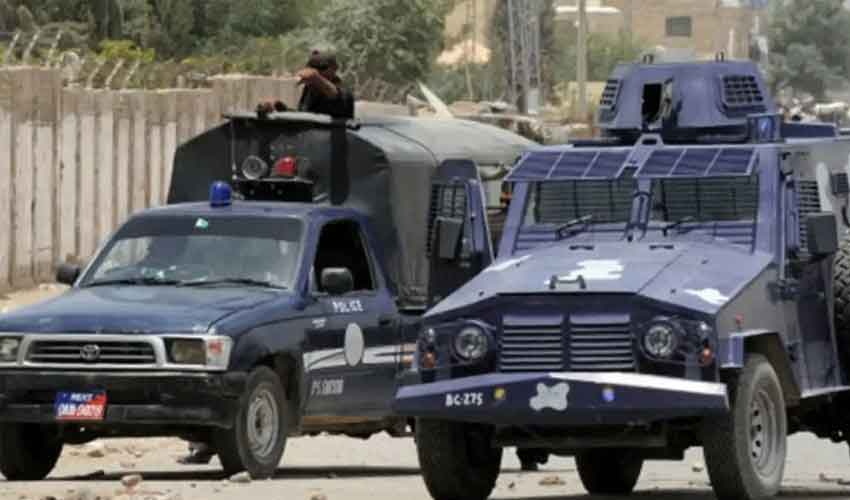
The overall law and order situation of the country also came under discussion in the meeting. Sources said the cabinet was briefed on recent incidents of terrorism in Balochistan.
Prime Minister Sharif and cabinet members reiterated their resolve to defeat terrorism at all costs.
The federal cabinet paid tribute to the sacrifices of security forces in the ongoing war against terrorism. The cabinet also praised the security forces for eliminating 15 Khawarij terrorists and reaffirmed that the fight against terrorism would continue with full determination.
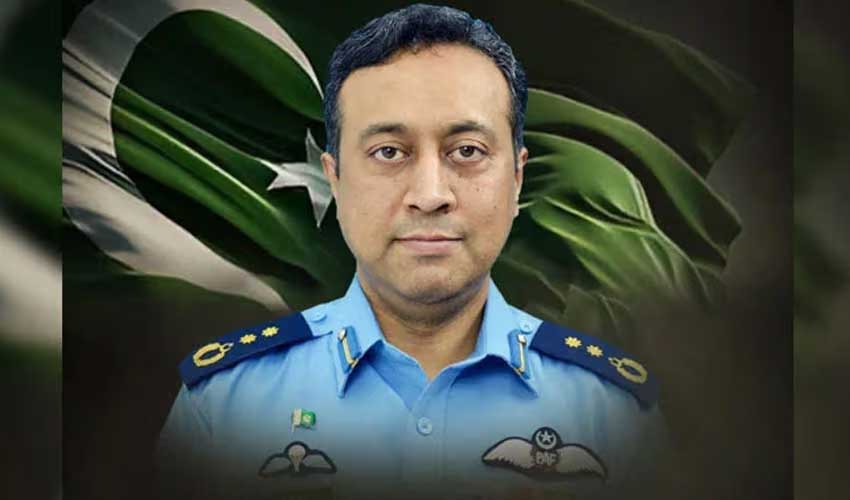
The meeting also remembered the tragic martyrdom of Group Captain Asim Tariq. Prime Minister Sharif prayed for the elevation of the martyred's ranks and said he sacrificed his life to protect the life and honour of a woman.
The federal cabinet offered prayers for the high ranks of the martyrs and recited Fatiha.
India’s actions on Indus Waters Treaty
The federal cabinet expressed concern over India’s illegal actions and statements regarding the Indus Waters Treaty. The cabinet reaffirmed that Pakistan would not compromise on its internationally recognized water rights.
Prime Minister Sharif also briefed the cabinet about his visit to Tehran, where he attended the funeral prayer of Iranian Supreme Leader Shaheed Ayatollah Seyyed Ali Khamenei.
He paid tribute to Ayatollah Khamenei and expressed heartfelt condolences and sympathy to Iran on behalf of the government and people of Pakistan.
Four-year Hajj policy introduced
Officials informed the cabinet that, unlike previous one-year policies, the new Hajj policy will remain in place for four years. The longer framework is expected to facilitate long-term planning, improve operational efficiency and enhance facilities for Pakistani pilgrims.
The cabinet was told that standard operating procedures (SOPs) and other regulations would be developed to implement the policy, while amendments could be made whenever necessary to align it with Saudi Arabia's laws and regulations.
Under the new policy, prospective pilgrims will be able to register for Hajj up to the year 2030 instead of registering annually.
Officials said applicants would have the flexibility to register for any future Hajj season according to their requirements. A priority waiting list will also be prepared based on the registration process to improve transparency in allocations.
Sharia-compliant savings scheme planned
The cabinet was informed that a Sharia-compliant Hajj savings scheme is also being introduced.
The initiative will allow intending pilgrims to gradually save for Hajj expenses and benefit from the scheme when undertaking the pilgrimage in future years.
The briefing highlighted that the entire Hajj management system will be digitised.
Officials said payments, complaint registration and monitoring mechanisms will all be managed through digital platforms to improve efficiency and service delivery.
New Hajj programmes, quota allocation
The cabinet was informed that the policy includes separate quotas for government and private Hajj schemes.
In addition, both long-duration and short-duration Hajj programmes will be introduced to provide pilgrims with more options. The policy also includes mandatory training for pilgrims, along with Takaful coverage and emergency response arrangements.
Cabinet stresses transparency
The federal cabinet directed that the appointment of Hajj assistants must be carried out transparently and strictly on merit.
It also instructed authorities to ensure third-party validation of both government and private Hajj operations to maintain accountability and improve service standards.
Turkiye visit and investment talks
The prime minister also informed the cabinet about his visit to Turkey. During the visit, he met prominent business groups and invited Turkish companies to invest in Pakistan’s energy, mining and minerals, and infrastructure sectors.
He also invited Turkish firms to expand investment in Pakistan’s priority sectors.
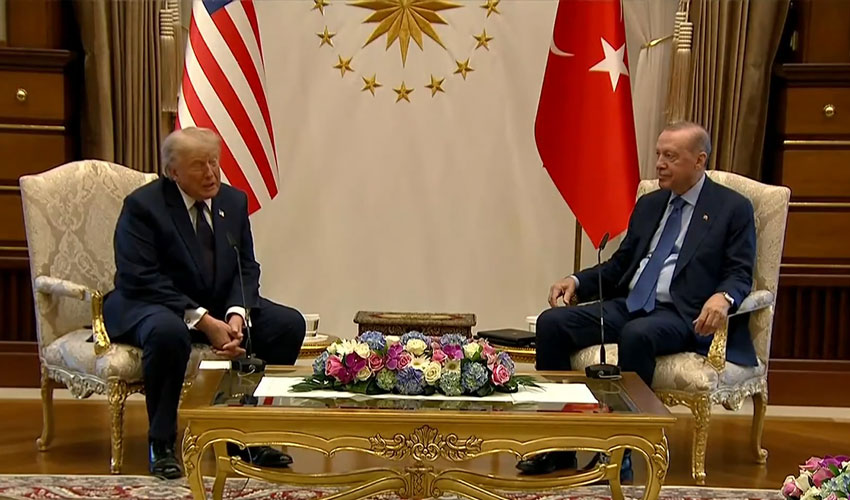
Prime Minister Sharif also met Turkish President Recep Tayyip Erdogan and stressed the importance of increasing bilateral cooperation in various sectors.