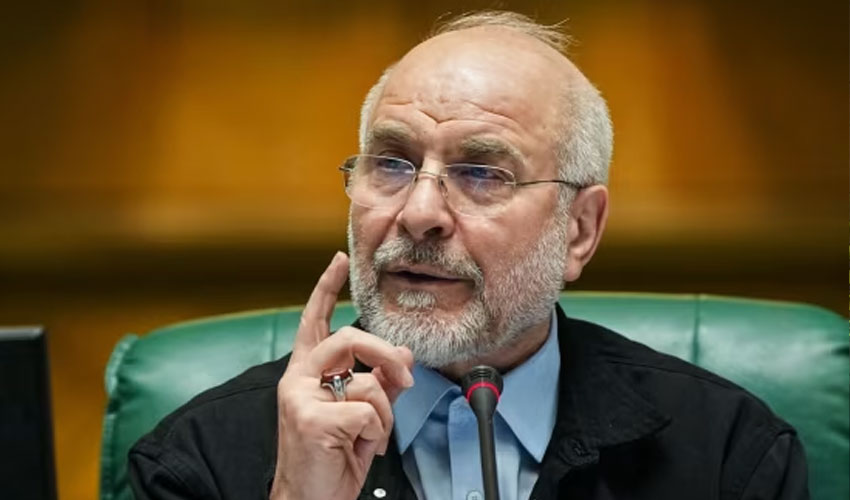
Iranian Parliament Speaker Mohammad Baqer Ghalibaf has said Tehran will not allow any American interference in the Strait of Hormuz, stressing that Iran remains determined to retain control over arrangements for the strategic waterway.
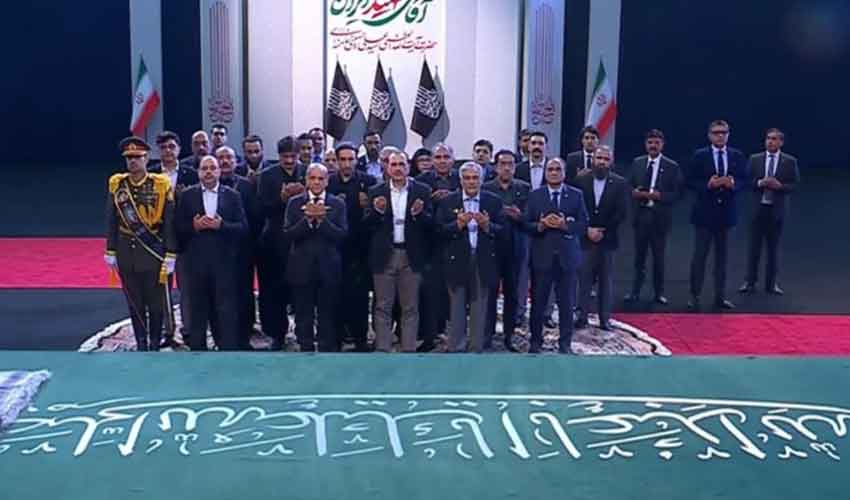
Ghalibaf made the remarks on Friday during meetings with Chinese Vice Chairman He Wei and Iraqi Parliament Speaker Haibet al-Halbousi, who were in Tehran to attend the funeral of Iran’s late Supreme Leader Ayatollah Ali Khamenei.
Speaking during his meeting with He Wei, vice chairman of the Standing Committee of China’s National People’s Congress, Ghalibaf said the Islamic Republic would not permit any US role in the Strait of Hormuz.
“I state clearly that the Islamic Republic of Iran will not allow any US interference in the Strait of Hormuz,” he said, according to Iranian media.
Ghalibaf said the post-war regional situation required closer coordination between Iran and China, particularly as Washington continued to pursue what he called unilateral policies around the world.
Iran, Oman agree on shipping arrangements
Ghalibaf said Iran had ensured the smooth passage of Chinese vessels through the Strait of Hormuz, describing China as a country that stood by Iran during difficult times.
He added that during a recent Iranian delegation visit to Oman, Tehran and Muscat reached an agreement under Article 5 of the Islamabad Memorandum of Understanding to regulate maritime traffic through the strait.
According to Ghalibaf, Iran will also consult other Persian Gulf coastal states on implementing the arrangements.
Call for stronger Iran-China ties
The Iranian parliament speaker praised political and economic cooperation between Tehran and Beijing and called for strategic relations to be upgraded.
He said improved Iran-China ties could have a significant impact on reducing global tensions, especially in light of the recent war and rapidly changing regional developments.
Ghalibaf also said parliamentary relations between the two countries remained below the desired level and should be expanded, including through cooperation linked to the Shanghai Cooperation Organisation and other regional matters.
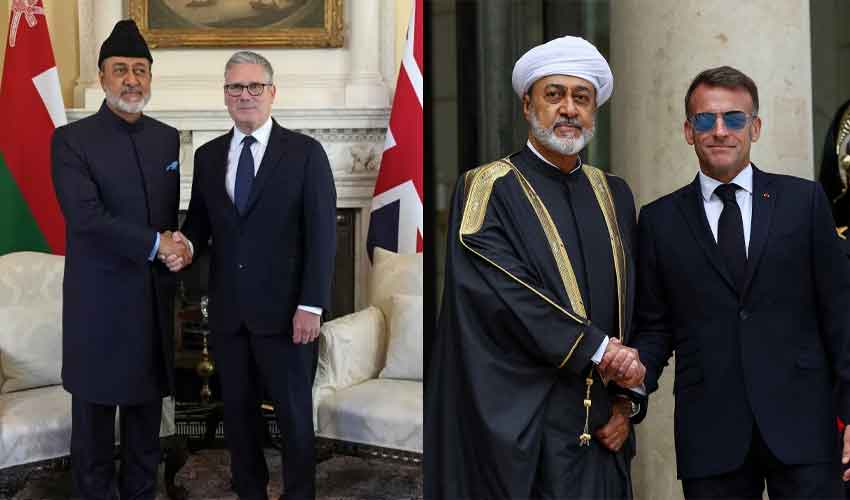
Also Read: UK, France, Oman agree to restore Strait of Hormuz safe transit
Ghalibaf said closer political and economic coordination between Iran and China was crucial to reducing tensions and preventing escalation. He said time was a critical factor in coordination across the Persian Gulf region and Southwest Asia.
The Chinese official conveyed Beijing’s sincere condolences to Iran’s leadership and people over Khamenei’s death and said China was ready to further develop bilateral relations.
He Wei also noted that this year marks the 55th anniversary of diplomatic relations between Iran and China and the 10th anniversary of their strategic partnership.
Iran accuses Israel of trying to disrupt MoU
Ghalibaf warned that Israel was “undoubtedly seeking to disrupt” the Iran-US Memorandum of Understanding. However, he said Iran’s deterrent power in the region would prevent another war from being ignited.
At the same time, he called for tensions to be reduced through organised tactics and precise political measures.
Strait should be managed by Iran and Oman
In a separate meeting with Iraqi Parliament Speaker Haibet al-Halbousi, Ghalibaf said the Strait of Hormuz should be managed jointly by Iran and Oman under international law.
He said the recently signed memorandum of understanding with the United States had already set out provisions on the management of the strait.
Ghalibaf added that Tehran was currently listening to the views of Persian Gulf countries, including Iraq, as consultations continued.
During the meeting, Ghalibaf congratulated Haibet al-Halbousi on his election as speaker of the Iraqi Parliament.
He also thanked him for attending the farewell ceremony for Iran’s late Supreme Leader Ayatollah Ali Khamenei, saying his presence came at a time when Iranian people and officials were grieving.
'Not a venue for military displays'
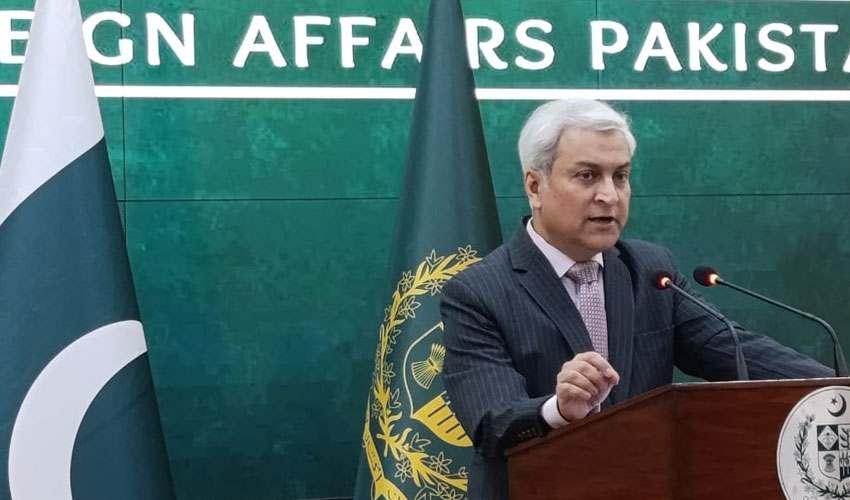
Separately, Iranian Deputy Foreign Minister Kazem Gharibabadi said the Strait of Hormuz is not a venue for military displays by extra-regional powers, stressing that responsibility for the waterway's security rests with the coastal states bordering it.
In a post on X, he said Iran, as a responsible regional power and guarantor of the strait's security, is closely monitoring any military movements in the area and issued a serious warning to countries considering such actions.
تنگه هرمز میدان نمایش نظامی قدرتهای فرامنطقهای نیست. ایران بهعنوان قدرت مسئول و ضامن امنیت تنگه، نسبت به هر حرکت نظامی در این آبراه حساس هشدار میدهد. امنیت هرمز با دولتهای ساحلی است؛ بحرانسازان مسئول پیامدهای ماجراجویی خود خواهند بود؛ این هشدار جدی است. pic.twitter.com/v9n2GdHnb6
— Gharibabadi (@Gharibabadi) July 4, 2026
Gharibabadi warned that any party attempting to escalate tensions in the Strait of Hormuz would be held responsible for the consequences of what he described as its adventurism.