Rising temperatures in Pakistan’s high mountain regions have accelerated glacier melting, leading to a significant increase in water inflows into major rivers and reservoirs, according to the Water and Power Development Authority (WAPDA).
A WAPDA spokesperson said the rise in temperatures has triggered faster glacier melt in the country’s northern mountainous areas, increasing the flow of water into key rivers.
The improved inflows have strengthened water availability at Pakistan’s major reservoirs during the ongoing summer season.
According to WAPDA, the total usable water storage in Pakistan’s three major reservoirs has reached 3.403 million acre-feet. The increased storage is expected to support water availability for irrigation and other essential needs.
Indus River sees strong inflow at Tarbela
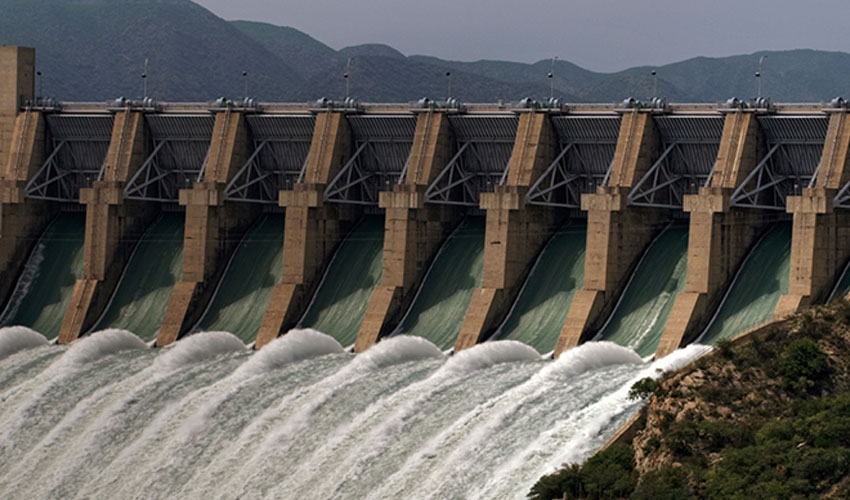
At Tarbela Dam, the inflow of water into the Indus River was recorded at 226,500 cusecs, while the outflow stood at 150,300 cusecs.
The water level at Tarbela Dam was measured at 1,453.07 feet, with usable water storage reaching 1,111,000 acre-feet.
At Mangla Reservoir, the inflow into the Jhelum River was 37,600 cusecs, while the outflow was 38,700 cusecs. The water level at Mangla was recorded at 1,162.85 feet, with usable storage of 2,243,000 acre-feet.
Chashma Barrage, Chenab River flows
The inflow into Chashma Barrage was 25,000 cusecs, while the outflow was 23,000 cusecs. The water level at Chashma Reservoir stood at 641.30 feet, with usable storage recorded at 49,000 acre-feet.
Meanwhile, at Head Marala, the Chenab River recorded an inflow of 63,700 cusecs and an outflow of 36,900 cusecs.
According to WAPDA, both the inflow and outflow of the Kabul River were recorded at 48,000 cusecs, indicating stable water movement through the river system.
WAPDA continues to monitor water resources
The authority said it is continuously monitoring river flows and reservoir levels as glacier melt continues during the summer months.
The latest figures reflect improving water availability following increased inflows from northern catchment areas.
.jpg)