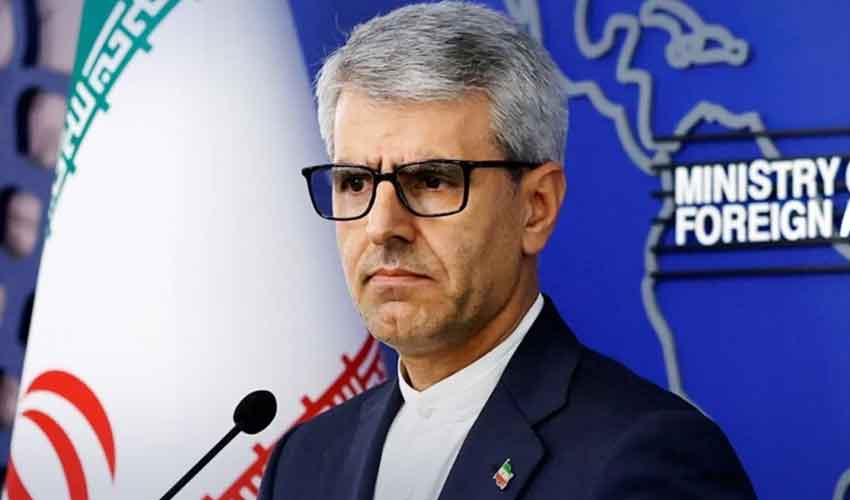
Iran has said there is currently no clear schedule for inspectors from the International Atomic Energy Agency (IAEA) to visit the country, as technical talks between Iran and the United States concluded in Switzerland with agreements on the framework for future negotiations.
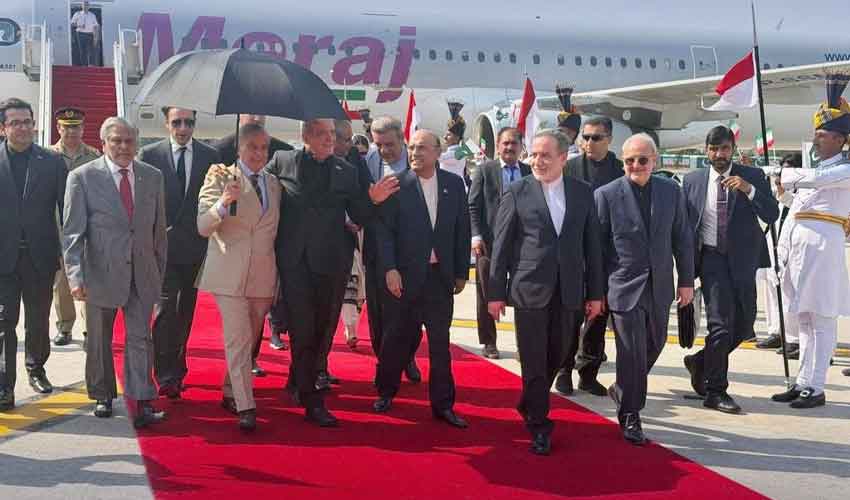
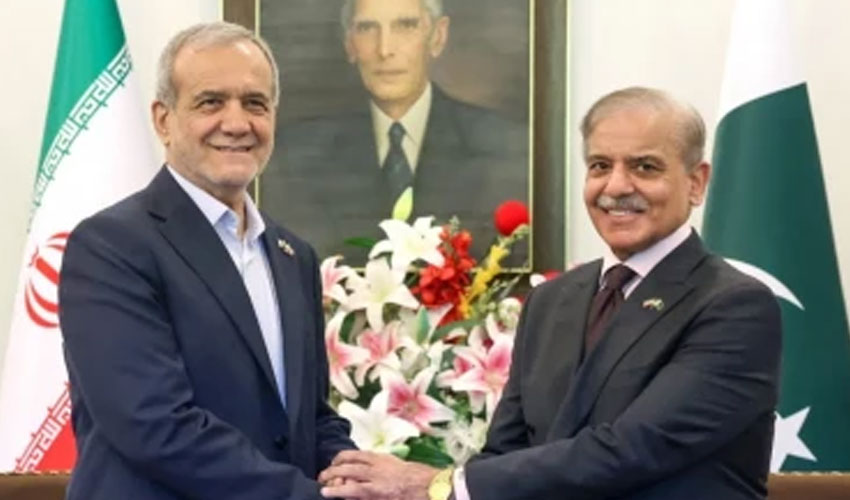
The developments come as Iranian President Masoud Pezeshkian begins an important visit to Pakistan and diplomatic efforts continue under the Islamabad Memorandum of Understanding (MoU).
Iran emphasises sovereignty and security
Speaking to the media, Iranian Foreign Ministry spokesperson Esmail Baqaei said Iran had prioritized its defense and sovereignty at every stage of the diplomatic process.
He stressed that there is currently no intention to allow IAEA inspectors access to Iranian nuclear sites and confirmed that no clear timetable has been established for future inspections.
According to Baqaei, the Iranian delegation participating in Switzerland did not hold any meeting with IAEA Director General Rafael Grossi.
Lebanon ceasefire remains key condition
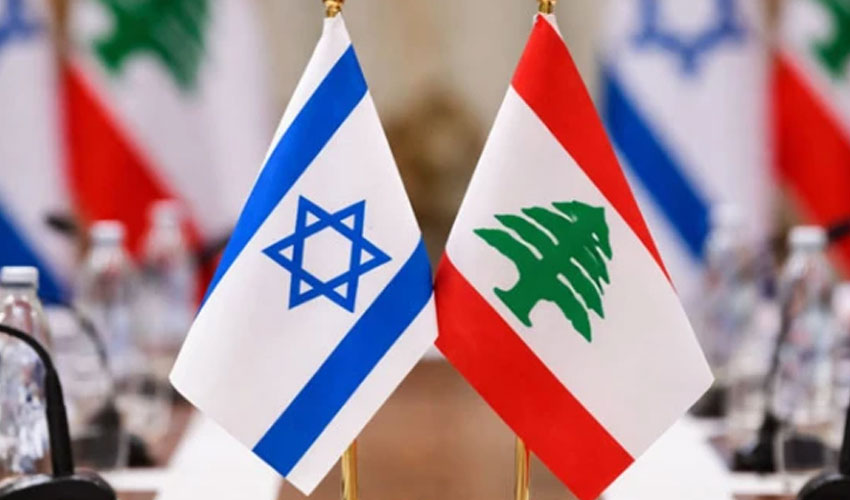
The Iranian spokesperson said the situation in Lebanon remains a central concern for Tehran.
He stated that a ceasefire in Lebanon is among the first conditions linked to the broader diplomatic process and noted that the world is closely watching what he described as the attacks by the “Zionist occupation state” on Lebanon.
Baqaei added that US commitments regarding Lebanon are clear and that there are no outstanding questions on that issue from Iran’s perspective.
Baqaei also described President Masoud Pezeshkian’s visit to Pakistan as highly significant. The Iranian president arrived in Pakistan on Tuesday, with Tehran viewing the trip as an important step in strengthening bilateral relations and regional cooperation.
Technical talks conclude in Switzerland
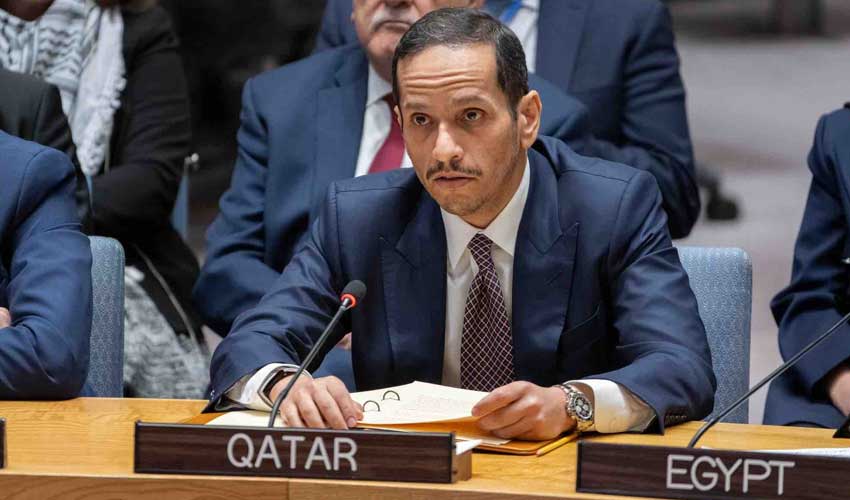
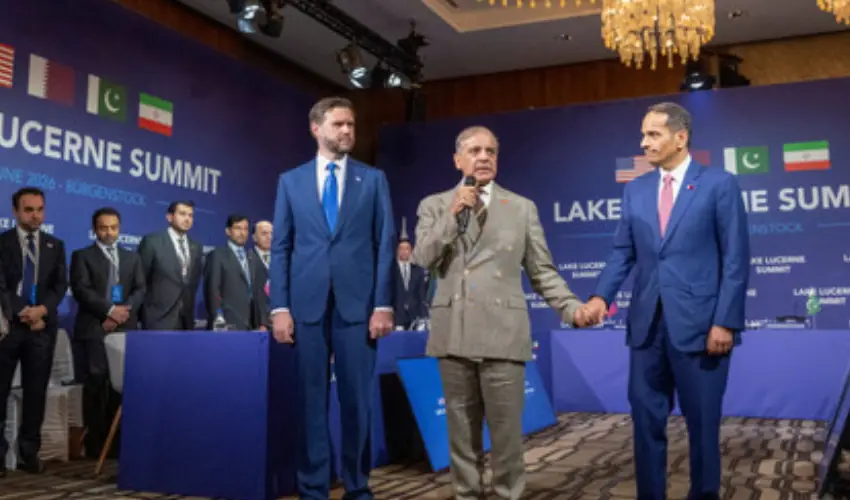
Meanwhile, Iran’s Deputy Foreign Minister and head of the country’s technical negotiation team, Kazem Gharibabadi, announced that four-nation technical talks involving Iran and the United States had concluded in Switzerland.
According to Gharibabadi, participants reached an agreement on the framework for upcoming negotiations and on the modalities for implementing the Islamabad MoU.
He said future negotiations would continue under the supervision of a high-level committee, with the top leadership of the four participating countries overseeing the broader diplomatic process.
Four working groups to drive negotiations
Gharibabadi said four specialized working groups will be established to handle key areas of discussion.
The groups will focus on sanctions, nuclear affairs, economic development and implementation-related matters under the Islamabad MoU.
He noted that the structure is intended to streamline negotiations and accelerate progress toward a broader agreement.
New Hormuz coordination center planned
As part of the implementation process, Gharibabadi announced plans to establish a coordination center for commercial shipping in the Strait of Hormuz.
The center will help facilitate maritime traffic and support the safe movement of vessels through one of the world’s most important shipping routes.
The announcement comes amid ongoing efforts to normalize trade and shipping activity in the region.
Pakistan, Qatar to join Lebanon de-conflict unit
Gharibabadi also revealed that a separate de-conflict unit related to Lebanon will be formed. He said Pakistan and Qatar will be part of the new mechanism, which is expected to help manage tensions and support diplomatic efforts linked to Lebanon.
The move reflects the growing role of regional partners in facilitating dialogue and conflict prevention.
One of the most significant outcomes of the talks was the decision to implement the release of $12 billion in frozen Iranian assets. According to Gharibabadi, the funds will be released in two installments, with each tranche totaling $6 billion.
The phased release is expected to form part of the broader confidence-building measures agreed upon under the Islamabad MoU framework.