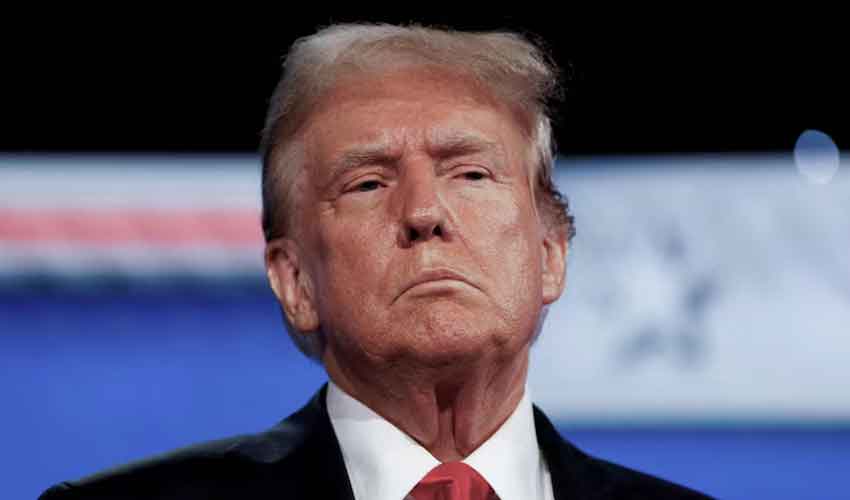
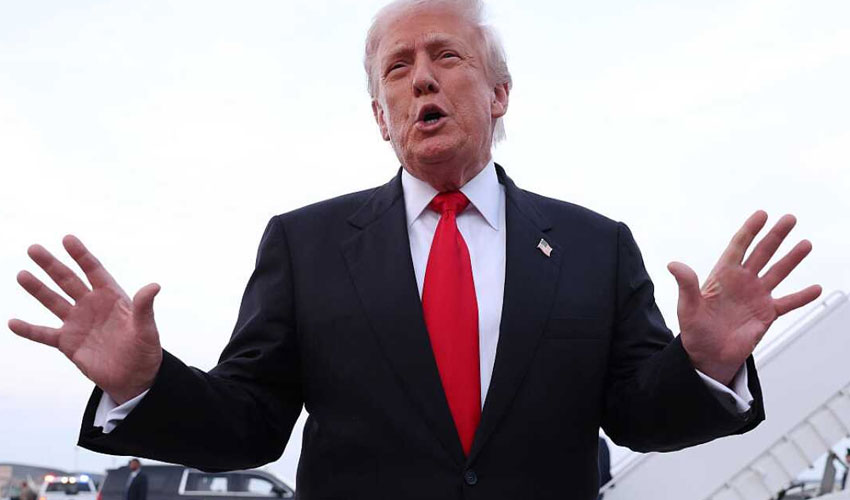
US President Donald Trump has warned that the newly reached Iran ceasefire agreement remains conditional, stating that military action could resume if he is dissatisfied with the final outcome.
Speaking at the G7 summit in France on Wednesday, Trump described the agreement as a “memorandum of understanding” and suggested the United States could return to military strikes if Iran fails to comply.
“If I don’t like it, we’ll go back to shooting at them, dropping bombs on their head,” Trump said, adding that the deal would only hold if Iran “behaves.”
His remarks come as global leaders cautiously welcomed the interim agreement aimed at de-escalating tensions between Washington and Tehran.
G7 welcomes Iran deal, calls for wider ceasefire
Leaders of the Group of Seven countries issued a joint statement supporting the US-Iran understanding, while also calling for an immediate ceasefire in Lebanon amid ongoing regional instability.
The G7 also emphasized the importance of preventing Iran from acquiring nuclear weapons and urged continued diplomatic engagement to ensure long-term stability.
A coalition led by Britain and France is expected to play a role in securing maritime routes once the Strait of Hormuz is reopened under the agreement.
Key terms of the interim agreement
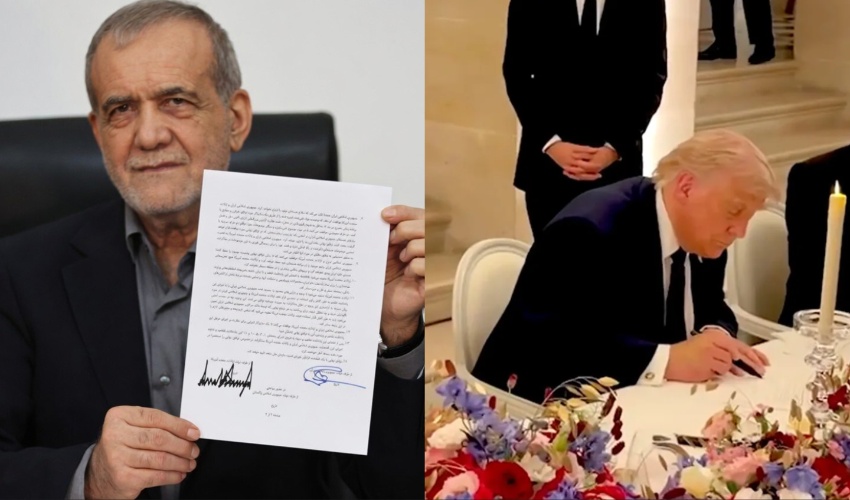
The US-Iran memorandum, which is expected to be formally signed in Switzerland on Friday, outlines several major steps, including:
- Extension of an existing ceasefire for 60 days
- Gradual reopening of the Strait of Hormuz for international shipping
- Ending restrictions on Iranian ports
- Negotiations toward a permanent peace agreement
The deal is intended to serve as a transitional framework ahead of a broader settlement.
Lebanon conflict still a major flashpoint
Despite diplomatic progress between Washington and Tehran, the situation in Lebanon remains unresolved.
Israel continues military operations in southern Lebanon, while Hezbollah maintains its position, creating a major obstacle to regional stability.
Iran has linked the ceasefire process to a broader cessation of hostilities in Lebanon, while Israel has rejected calls for withdrawal.
Financial markets responded positively to the diplomatic developments, with oil prices declining on expectations that the reopening of the Strait of Hormuz could ease global supply concerns.
Brent crude futures fell below $80, reaching their lowest level since the start of the conflict.




.jpg)