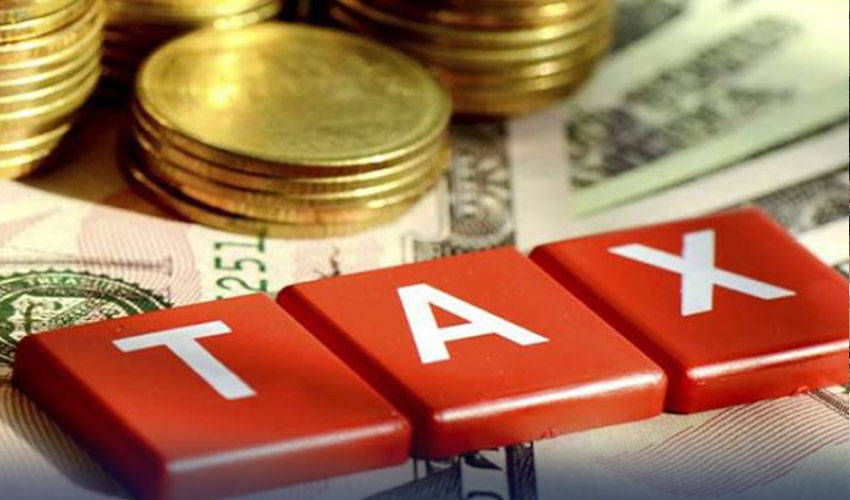
The Punjab government has prepared the Finance Bill for the next fiscal year 2026-27, proposing major changes in taxes, business regulations and the agriculture sector.
The bill aims to increase provincial revenue, widen the tax base, simplify compliance and provide targeted incentives to selected sectors.
According to the proposed Finance Bill, the Punjab government has recommended increasing token tax on vehicles after nearly 20 years. The increase would apply to vehicles above 1,000cc, while commercial vehicles and large vehicles would also face higher taxes.
The government has also proposed revising token tax rates for trucks and other commercial vehicles after two decades.
Relief for electric vehicles
While proposing higher token tax on conventional vehicles, the bill also includes a major incentive for electric vehicles.
A 99% concession in token tax has been proposed for electric vehicles to encourage cleaner transport and promote EV adoption in the province.
Motor vehicle transfer fee to increase
The Finance Bill also proposes an increase in motor vehicle transfer fees. It has been recommended that the Hire Purchase Agreement fee should be brought at par with the transfer fee.
The government also plans to make motor vehicle dealers registration agents, allowing vehicle registration at the time of sale. Authorities are also preparing to make action against unregistered vehicles more effective.
Sales tax changes for services
The Punjab government has proposed setting sales tax at 8% on payments made through credit cards, debit cards and online methods at hotels. Sales tax on various services is also proposed to be increased from 5% to 8%.
In addition, a 3% tax has been proposed on the services of foreign exchange companies and money changers.
The bill also includes a broader plan to reform the Punjab sales tax system, expand the tax base and make compliance easier for taxpayers.
Property tax payment through e-pay system
The proposed bill recommends making property tax payments mandatory through the e-pay system. The surcharge on late payment of property tax is proposed to be collected on a quarterly basis instead of a monthly basis.
New steps have also been proposed to implement capital valuation in property tax. Under the self-assessment system, property tax payers would receive a 5% concession.
New businesses may get six-month relief
The Finance Bill proposes exempting new business starters from tax laws for the first six months. The measure is aimed at encouraging entrepreneurship and reducing the initial compliance burden on new businesses.
At the same time, the government has recommended not issuing government contracts, licences and NOCs to unregistered traders.
The bill also proposes increasing fines for violations of tax laws.
To provide relief to farmers, especially in south Punjab, the government has proposed abolishing the cotton fee imposed on raw cotton. Officials say the measure is aimed at easing pressure on cotton growers and supporting the agriculture sector.
Agricultural income tax rates may rise
The bill includes proposals to increase agricultural income tax rates on a land basis. Tax exemption on agricultural land up to 12.5 acres would remain intact.
For agricultural land from 12.5 acres to 25 acres, the tax is proposed to increase from Rs300 to Rs1,000 per acre.
For land between 25 acres and 50 acres, the tax is proposed to rise from Rs400 to Rs1,000 per acre.
For land above 50 acres, the tax is proposed to increase from Rs500 to Rs1,000 per acre.
Agricultural tax on irrigated mature orchards is proposed to increase from Rs600 to Rs1,000 per acre.
For non-irrigated mature orchards, the tax is proposed to rise from Rs300 to Rs500 per acre.
Abiyana rates proposed to increase
For the agriculture sector, the Punjab government has proposed increasing abiyana rates.
The irrigation fee for Kharif crops is proposed at Rs1,650 per acre. For Rabi crops, the proposed irrigation fee has been set at Rs850 per acre.
An additional irrigation fee of Rs2,000 per acre per year has been proposed for orchards. The bill also recommends increasing the irrigation fee for government lift irrigation to Rs2,250 per acre per year.
KP adviser compares tax rates with Punjab
Khyber Pakhtunkhwa Adviser to Finance Muzammil Aslam reacted to Punjab’s proposed token tax and service tax changes.
He said Khyber Pakhtunkhwa has the lowest tax rate in Pakistan on credit card and online payments at 6%. According to Aslam, Punjab has increased the rate for credit card and online payments to 8%.
He also claimed that local taxes, vehicle registration charges and property transfer taxes are the lowest in Khyber Pakhtunkhwa.
The Punjab Finance Bill 2026-27 combines revenue-generating measures with incentives for selected sectors.
The proposed reforms focus on increasing provincial income, bringing more traders into the tax net, improving documentation and encouraging digital payments.
If approved, the measures could affect vehicle owners, commercial transporters, hotel customers, service providers, farmers, property taxpayers and new businesses across Punjab.

.jpg)

.jpg)