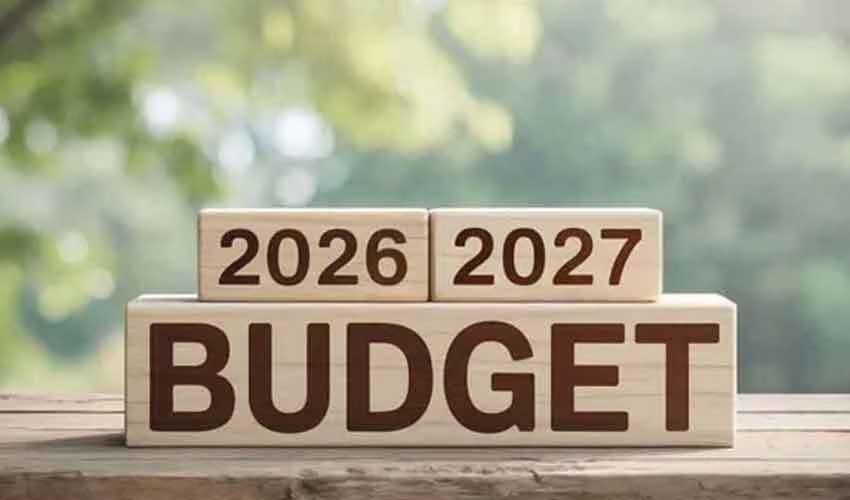
Details of Sindh’s budget for the new fiscal year have emerged, showing a proposed reduction in development spending and a decision not to include new allocations for development schemes in FY2026-27.
According to sources, the provincial government has proposed Rs2.5 trillion for non-development expenditures across Sindh, while the annual development programme is expected to face a major cut compared to the current fiscal year.
According to budget details obtained by Samaa TV, the Sindh government has decided not to include new allocations in the development budget for the next fiscal year. Sources said no budget is likely to be allocated for new development schemes in FY2026-27.
The decision comes as budget preparations for Sindh’s new fiscal year enter their final stages.
Development budget likely to be reduced
The provincial government has proposed allocating Rs400 billion for 3,642 provincial and district-level projects. A cut of around Rs300 billion has been proposed in the development budget compared to the current fiscal year.
Sindh’s total development budget is likely to be reduced from Rs1.018 trillion to Rs720 billion. The provincial development budget is also expected to be reduced from Rs520 billion to Rs385 billion.
A major reduction has also been proposed in the district development programme. According to the budget details, the district development programme may be cut by Rs40 billion, with only Rs15 billion proposed for allocation.
In comparison, the district development budget for the previous fiscal year stood at Rs44 billion.
Annual development programme
Sources said more than Rs500 billion has been proposed for the Annual Development Programme. The development framework is expected to focus mainly on ongoing schemes instead of launching new projects.
Officials say the approach is aimed at controlling spending while continuing work on already approved development priorities.
Education may cross Rs600bn
The education sector is expected to receive more than Rs600 billion in the new fiscal year. In the current fiscal year, Sindh’s education budget stands at Rs523 billion.
The proposed increase reflects the provincial government’s continued focus on education despite the overall cut in development spending.
Health budget proposed above Rs400bn
More than Rs400 billion has been proposed for the health sector in the new budget. The current fiscal year’s health budget is Rs326 billion.
The proposed increase is expected to support public hospitals, health services and ongoing healthcare programmes across the province.
An increase of Rs30 billion has been proposed for the Home Department in the new fiscal year. In the current fiscal year, Rs160 billion was allocated for law and order.
The additional allocation is expected to support policing, security and internal security arrangements across Sindh.
Support for youth and farmers
The Sindh government has decided to continue the establishment of regional youth development centres for young people.
More than 300,000 farmers will also receive subsidies through the Benazir Hari Card. The initiative is aimed at supporting growers and strengthening the agriculture sector.
More than Rs30 billion has been proposed for the Irrigation Department in the new fiscal year. The budget also proposes more than Rs15 billion for livestock and fisheries.
These allocations are expected to support rural development, water management and agricultural productivity.
Salaries and pensions likely to increase
Government employees in Sindh are expected to receive a salary and pension increase of 7 to 10%. Final approval is expected during the cabinet’s budget meeting.
A Sindh Cabinet meeting is scheduled for June 17 at 11am. The cabinet will present supplementary expenditures for the current fiscal year and approve the budget for the coming fiscal year.
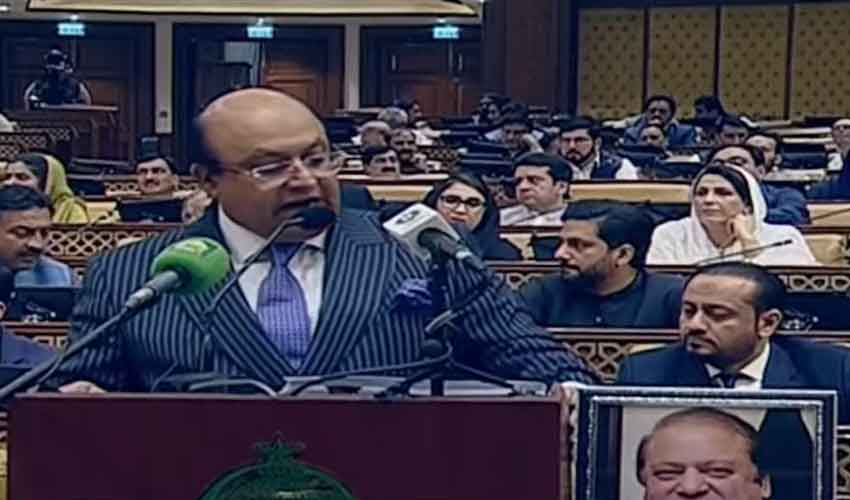
Chief Minister Murad Ali Shah will present the new budget in the Sindh Assembly on the same day. He is set to present his 12th provincial budget in the Sindh Assembly, as he has been presenting Sindh’s budget since 2016 as chief minister.
Before that, from 2013 to 2016, Murad Ali Shah presented the provincial budget as finance minister. From 2016 to 2025, he continued presenting the budget as chief minister.

.gif)