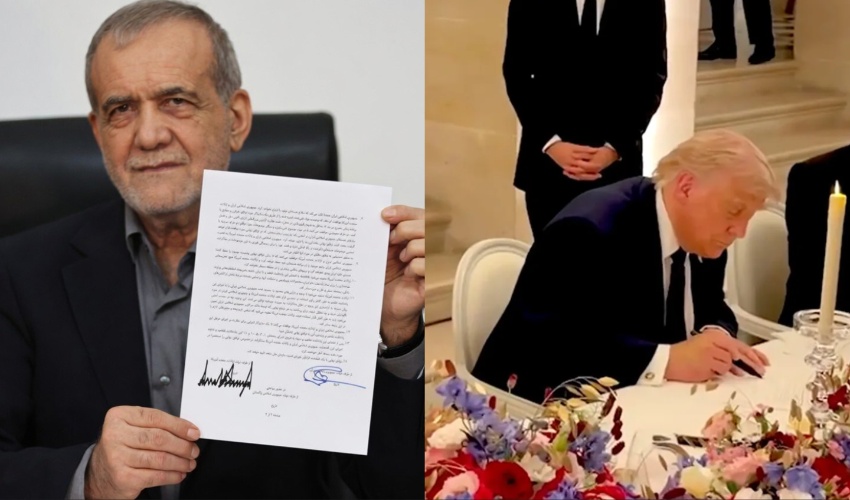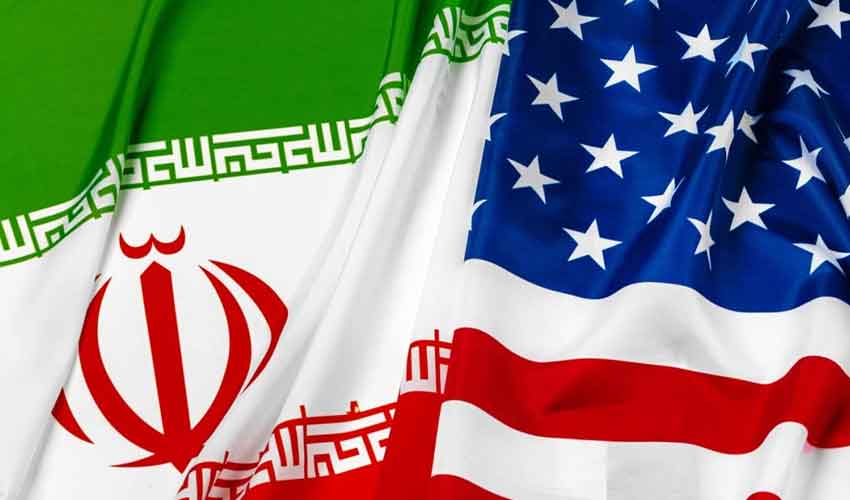
US and Iranian officials said they had agreed on a framework to end their war, halt the US blockade of Iran and reopen the Strait of Hormuz, a preliminary pact that sent oil prices falling but leaves the fate of Iran's nuclear program to further negotiations.
The landmark deal ends the nearly four-month-long conflict, marking a major diplomatic breakthrough after 107 days of war.
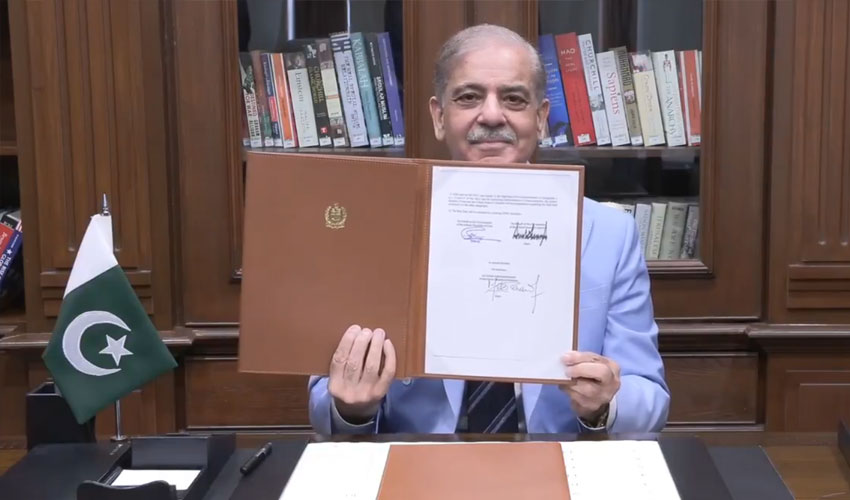
Prime Minister Shehbaz Sharif announced on Sunday night that both countries had reached an agreement following intensive negotiations facilitated by Pakistan and other mediators.
“Following intensive talks, we are pleased to announce that the Peace Deal between the United States of America and Islamic Republic of Iran has been REACHED,” Sharif wrote on X.
Following intensive talks, we are pleased to announce that the Peace Deal between the United States of America and Islamic Republic of Iran has been REACHED. Both sides have declared the immediate and permanent termination of military operations on all fronts, including in…
— Shehbaz Sharif (@CMShehbaz) June 14, 2026
According to the prime minister, both sides have agreed to the immediate and permanent termination of military operations on all fronts, including in Lebanon. He added that the official signing ceremony would take place in Switzerland on June 19.
Trump confirms agreement
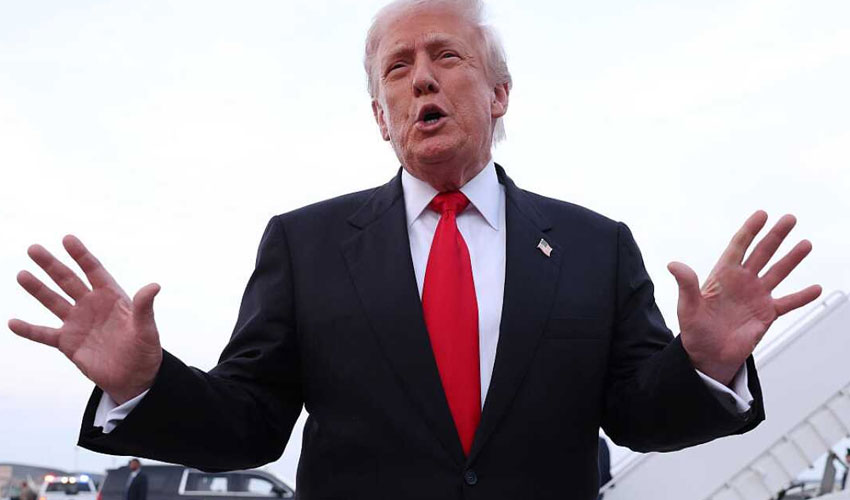
Shortly after Sharif’s announcement, US President Donald Trump confirmed that the agreement had been finalized.
“The Deal with the Islamic Republic of Iran is now complete,” Trump wrote on his Truth Social platform.
The US president also announced the immediate removal of the American naval blockade and authorized the reopening of the Strait of Hormuz.
“The Deal with Islamic Republic of Iran is now complete. Congratulations to all!” President Donald J. Trump 🇺🇸 pic.twitter.com/RdSwyEdEtO
— The White House (@WhiteHouse) June 14, 2026
“I hereby fully authorize the toll free opening of the Strait of Hormuz, and, simultaneously herewith, authorize the immediate removal of the United States Naval blockade. Ships of the World, start your engines. Let the oil flow!” Trump stated.
Iranian state television also reported that a deal had been reached, citing Sharif’s announcement. In a statement, the secretariat of Iran's Supreme National Security Council said war and military operations on all fronts, including Lebanon, would end permanently starting on Monday night.
Iran's deputy foreign minister, Kazem Gharibabadi, said a more expansive agreement would be negotiated during a 60-day ceasefire period, including sanctions relief for Iran. The fate of Iran's nuclear program, another thorny issue, will also be addressed in those later talks, sources previously told Reuters.
There was no immediate reaction to the announcement from Israel, which has said it was not party to the US-Iran talks.
Key provisions of draft agreement
While the complete details of the accord have not yet been released, multiple reports indicate that the draft memorandum includes several major commitments by both sides.
The agreement is expected to extend the existing ceasefire for 60 days, reopen the Strait of Hormuz to international shipping, and launch a new round of negotiations focused on Iran’s nuclear program.
Sources familiar with the discussions said the United States would lift its blockade of Iranian ports and discuss sanctions relief, while Iran would refrain from producing or acquiring nuclear weapons during the negotiation period.
The draft framework reportedly also includes discussions on the release of approximately $25 billion in frozen Iranian assets, with sanctions relief linked to Tehran’s compliance with future commitments.
Strait of Hormuz reopening may ease global economic pressure
The reopening of the Strait of Hormuz is considered one of the most significant aspects of the agreement.
The strategic waterway, which handled roughly 20% of global oil and liquefied natural gas shipments before the conflict, has been largely inaccessible since the war began in late February.
The disruption contributed to supply shortages, rising energy costs, and renewed inflationary pressures across major economies.
Analysts say restoring shipping through the strait could help stabilize global energy markets, although full operations may take time due to security concerns, infrastructure repairs, and potential mine-clearing operations.
Nuclear talks to continue
Despite the breakthrough, several critical issues remain unresolved, particularly concerning Iran’s nuclear activities.
Under the framework, Washington and Tehran will hold intensive technical negotiations over the next 60 days to address uranium enrichment, the disposal or downblending of highly enriched uranium, and long-term monitoring mechanisms for Iran’s nuclear program.
US officials believe the prospect of sanctions relief and access to frozen funds provides Tehran with strong incentives to reach a comprehensive agreement.
However, critics in both the United States and Israel have expressed concerns that the war could effectively end without a permanent resolution of the nuclear dispute.
'A very difficult guy'
The agreement was sealed despite an Israeli strike on Lebanon on Sunday that drew criticism from both Iran and Trump.
Israeli Prime Minister Benjamin Netanyahu has differed with Trump over American demands that Israel curb its military action in Lebanon to allow the United States to reach a deal with Iran.
Israel has said it will retain freedom of operations in Lebanon, while Iran has made a full ceasefire there an important component of its demands.
Trump updated Netanyahu on the progress toward a peace deal during a phone call on Sunday, Israel's N12 reported, citing a senior official.
In an interview with the New York Times, Trump called Netanyahu "a very difficult guy" and argued the Israeli leader should thank him for saving Israel from a nuclear-armed Iran.
Leaders outside the Middle East, who have kept a wary eye on the conflict, welcomed the announcement.
In a joint statement, the United Kingdom, Germany, France and Italy said they were prepared to lift sanctions on Iran in response to "clear, verifiable steps" to limit its nuclear program.
"We are clear that toll-free freedom of navigation must now be restored in the Strait of Hormuz," British Prime Minister Keir Starmer said. "Iran must never have a nuclear weapon."
Before the deal was announced, a senior Iranian official told Reuters that, under the terms of the draft, the United States would agree to release $25 billion of frozen Iranian assets. The Trump administration has previously said any release of Iranian money would only take place once Iran has fulfilled certain conditions under a peace deal.
A US official, also speaking before the announcement, said the agreement would ultimately lead to the dismantling of Iran's nuclear program, with its stockpile of highly enriched uranium to be destroyed and removed. The senior Iranian official said the draft deal would allow Iran, which denies seeking a nuclear bomb, to dilute its enriched uranium inside the country.
Pakistan key mediator
The agreement represents a major diplomatic achievement for Pakistan, which has played a central role in facilitating dialogue between Washington and Tehran throughout the conflict.
Sharif said Pakistan and other mediators would continue to facilitate meetings and technical discussions aimed at transforming the current memorandum of understanding into a comprehensive and lasting peace agreement.
If successfully implemented, the accord could become one of the most significant diplomatic settlements in the Middle East in recent years, ending months of conflict while opening the door to broader negotiations on regional security and Iran’s nuclear future.

.jpg)