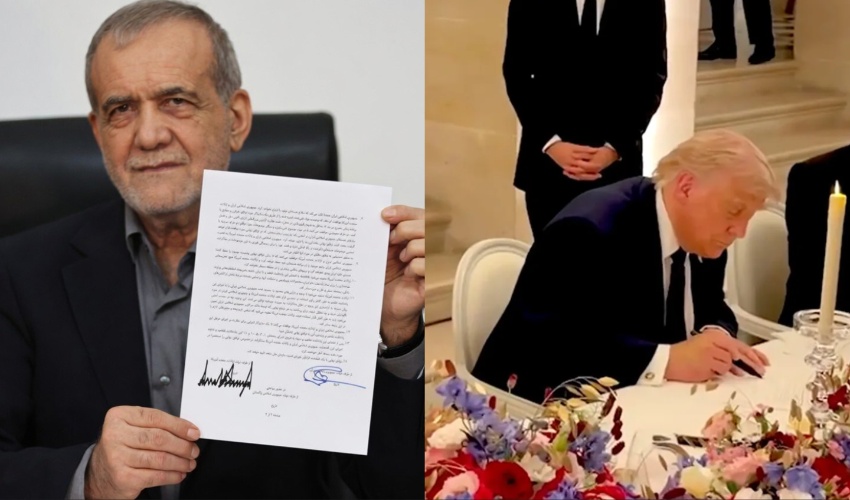
International reaction has begun pouring in after the United States and Iran reached an initial agreement aimed at ending hostilities and launching negotiations toward a longer-term settlement, with Saudi Arabia, the United Arab Emirates, China and the United Kingdom welcoming the development.
The agreement, which includes a proposed 60-day negotiation period toward a permanent accord, has been described by several countries as a positive step toward reducing regional tensions and restoring stability.
Saudi Arabia welcomes end to military operations
Saudi Arabia welcomed the agreement and expressed support for efforts aimed at achieving a lasting resolution.
In a statement posted on X, the Saudi Foreign Ministry praised the move to end military operations and begin detailed negotiations over a 60-day period.
The kingdom said it hopes the talks will pave the way for a permanent agreement that promotes security and stability across the region.
UAE calls for dialogue and full compliance
The United Arab Emirates also welcomed the breakthrough and stressed the importance of diplomacy in resolving disputes.
The UAE Foreign Ministry urged all parties to prioritise dialogue, diplomacy and adherence to international law while calling for an immediate and comprehensive halt to hostile actions.
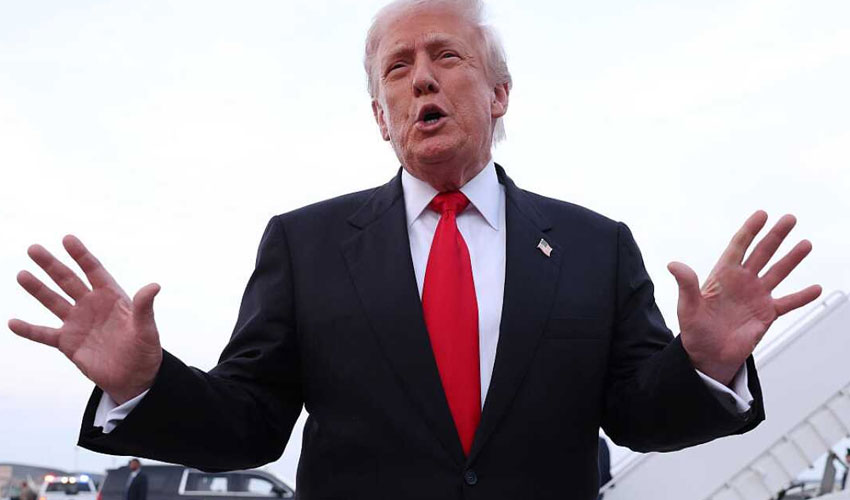
The ministry further emphasised the need for full compliance with the terms of the agreement and praised diplomatic efforts led by US President Donald Trump.
The UAE reiterated its support for initiatives that contribute to regional peace, security and stability.
China expresses cautious optimism
China responded with cautious optimism, welcoming the reported agreement between Washington and Tehran.
Speaking during a regular press briefing in Beijing, Chinese Foreign Ministry spokesperson Lin Jian said China welcomed the two countries reaching an agreement on the text of an initial memorandum of understanding.
"We hope the document will be signed as planned and all relevant parties will stay committed to peaceful solutions and resolve issues through dialogue and negotiation," Lin said.
Beijing has consistently advocated diplomatic engagement and has urged all sides to avoid actions that could further destabilise the Middle East.
UK stresses verification of nuclear commitments
British Prime Minister Keir Starmer described the agreement as a "hugely important" step toward ending the conflict.
Starmer also called for the restoration of freedom of navigation through the Strait of Hormuz and offered British support for potential mine-clearance operations if required.
"For any peace to endure, it is essential that the commitments made, particularly in relation to Iran's nuclear programme, are robust, verifiable and fully implemented," Starmer said.
He reiterated Britain's longstanding position that Iran must never acquire nuclear weapons.



.jpg)