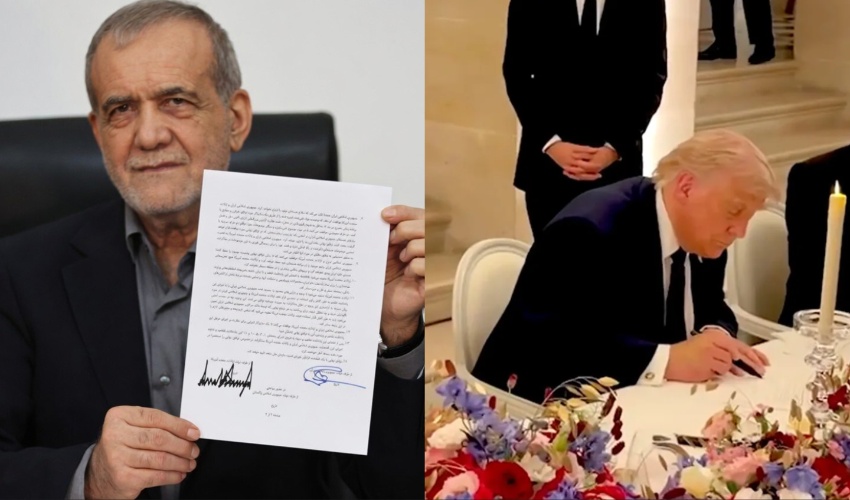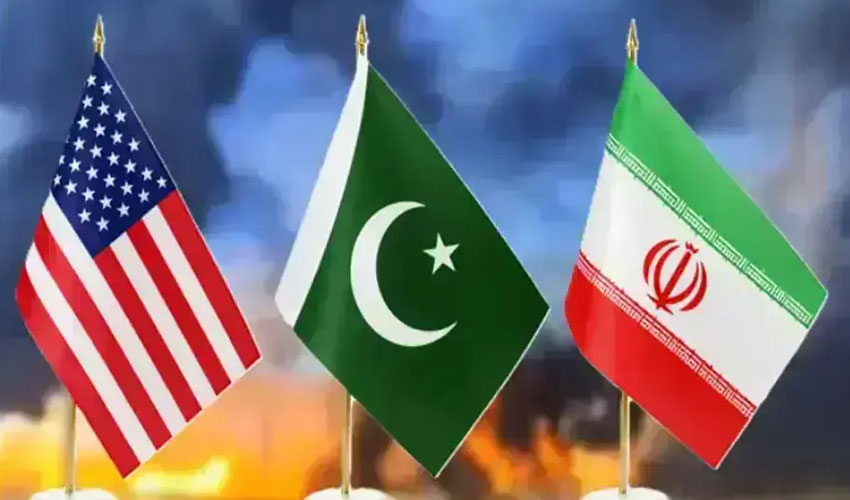
US President Donald Trump has announced that a long-awaited deal to end hostilities between the United States and Iran is expected to be signed on today.
However, Iranian officials have strongly disputed the timing, creating fresh uncertainty around the proposed agreement.
The development comes amid conflicting statements from Washington, Tehran, and regional mediators, highlighting deep tensions despite reported diplomatic progress.
Trump says deal will open Strait of Hormuz
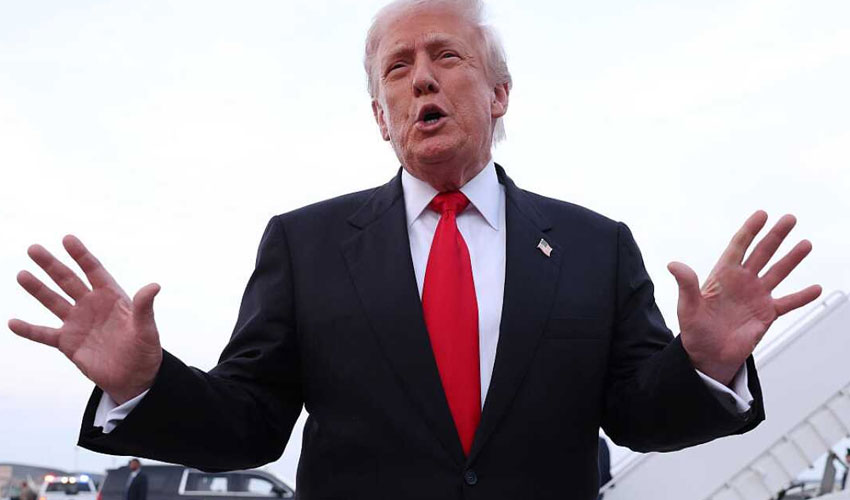
In a post on social media platform Truth Social, Donald Trump said the agreement is scheduled for signing on Sunday and would immediately reopen the Strait of Hormuz to global shipping.
He described the waterway as “open to all” once the deal is finalized, signaling what he called a major breakthrough in regional stability.
Trump also suggested that Iran’s nuclear-related concerns would be addressed later, claiming that materials of concern would eventually be dealt with “when all is calm.”
Pakistan claims progress toward peace agreement
Pakistan, which has played a mediating role in recent negotiations, also signaled optimism about the deal.
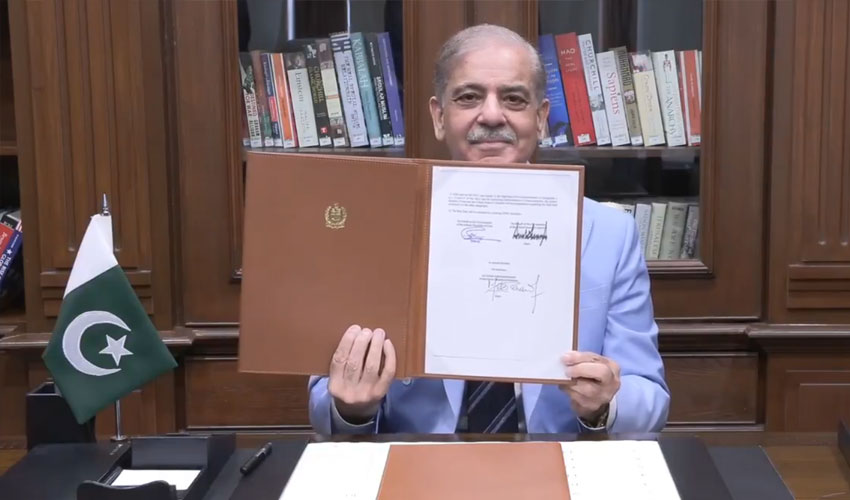
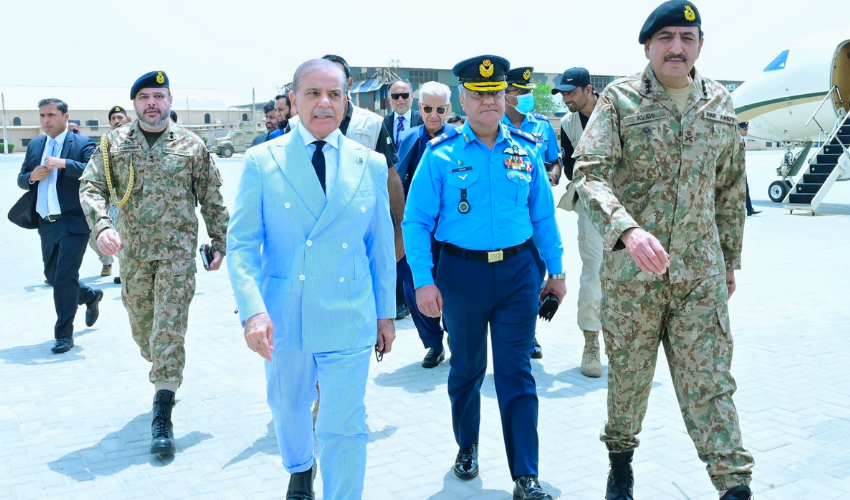
Prime Minister Shehbaz Sharif said both sides are closer to a peace agreement than ever before, adding that preparations were underway for an electronic signing within 24 hours.
Also Read: Iran-US peace deal expected within 24 hours: PM Shehbaz
According to Islamabad, technical-level talks would follow the initial framework agreement.
Iran rejects Sunday signing timeline
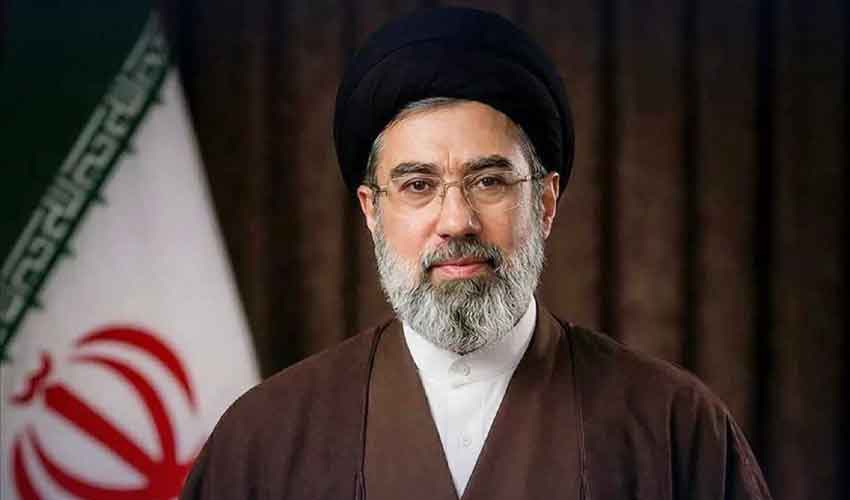
Iranian officials, however, pushed back strongly against the proposed schedule.
Foreign Ministry spokesperson Esmaeil Baghaei said it was premature to confirm any signing date, stating clearly that “it will not be tomorrow,” while leaving room for possible talks in the coming days.
Iranian military and Revolutionary Guard sources went further, dismissing Trump’s announcement as politically motivated and symbolic rather than factual.
They insisted that Iranian negotiators had not agreed to any Sunday signing and said there was “no possibility” of such an agreement being finalized on that timeline.
Revolutionary guards deny agreement claims
The Islamic Revolutionary Guard Corps rejected the US President’s remarks, arguing that the announcement contradicts conditions on the ground.
Military sources in Tehran said Trump’s reference to a June 14 signing appears to be aimed at political messaging rather than reflecting real diplomatic progress.
They added that such statements risk undermining ongoing negotiations rather than supporting them.
Conflicting narratives on nuclear, regional issues
Reports suggest the proposed framework includes provisions related to reopening key shipping routes, easing restrictions on Iranian ports, and addressing regional conflicts involving allied groups.
However, Iranian officials say discussions on the country’s nuclear programme will only begin at a later stage.
US officials have indicated that any economic relief for Iran would depend on compliance with agreed obligations.
The situation remains volatile, with intermittent clashes continuing even as diplomatic efforts move forward.
Previous rounds of negotiations have repeatedly stalled at the final stage, and analysts say trust between both sides remains extremely fragile.
Protests have also been reported in parts of Iran, reflecting internal divisions over the direction of foreign policy.



.jpg)