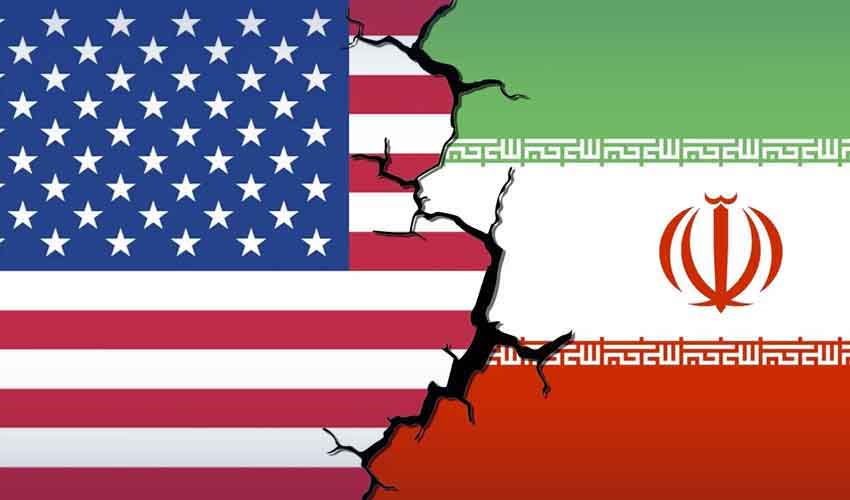
Efforts to secure an interim agreement between the United States and Iran have intensified despite ongoing military confrontations, with both sides continuing negotiations on frozen Iranian assets and the details of a proposed memorandum of understanding.
According to Reuters, Iranian and US officials are still exchanging messages as discussions advance, raising hopes that a temporary arrangement could help ease tensions and move both sides away from further escalation.
Three Iranian sources and a senior European official told Reuters that talks have gained momentum in recent days even as both countries continue to exchange military strikes.
The sources said a political understanding has largely been reached, but several technical and financial issues still require detailed negotiations before an agreement can be finalised.
Also Read: US and Iran trade attacks for second day, undermining ceasefire
One of the main issues under discussion is the mechanism for releasing tens of billions of dollars in Iranian oil revenues frozen in foreign banks.
Frozen assets remain biggest hurdle
According to Iranian sources, Tehran is demanding the immediate release of between $6 billion and $12 billion from its frozen assets. Washington, however, wants the funds to be released gradually and only for humanitarian purposes.
The United States also opposes transferring the money directly to Iran.
“Iran wants $6 billion to $12 billion of its frozen funds to be released to Tehran, while Washington wants to release funds in stages for humanitarian goods and rejects returning funds to Iran outright,” one Iranian source told Reuters.
Also Read: Iran closes Strait of Hormuz after fresh US strikes
A senior European official said negotiations are now focused heavily on financial details.
“Right now, talks are focusing very precisely on the technical details and the financial amount — in short, the level of liquidity available to Iran,” the official said.
MoU under discussion
Sources said messages continue to be exchanged regarding the details of a memorandum of understanding between Tehran and Washington. Discussions are also continuing on a framework for releasing billions of dollars in Iranian oil revenue currently frozen abroad.
According to Reuters, both sides are working through the final details while attempting to prevent the conflict from escalating further.
Iran seeks economic breathing space
Iranian sources said Tehran's immediate priority is not a comprehensive settlement but rather a framework that can provide economic relief.
The clerical establishment is seeking access to frozen assets and an end to the war in order to restore what one source described as “minimum breathing space” for the country.
Another Iranian source said Tehran also wants the US naval blockade lifted because of the growing economic pressure on the country. The source added that the military confrontation has reached a stalemate.
Also Read: US-Iran talks stay on track despite escalation
“This war, from a military standpoint, is a dead end. The Americans could not achieve their goals by attacking Iran. There has been progress in negotiations,” the source said.
“The recent military confrontations could be preparations for announcing an agreement. Of course, anything is possible, even a return to full-scale war.”
Trump seeks stronger deal than 2015 agreement
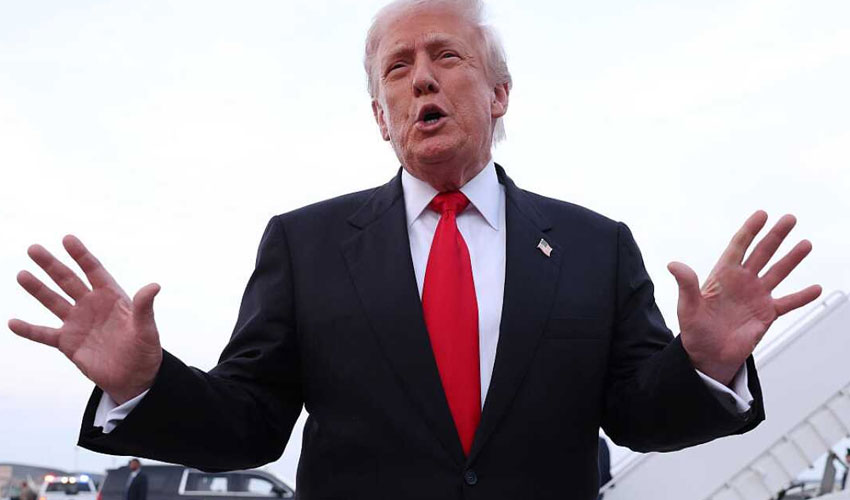
US President Donald Trump has repeatedly stated that a deal with Iran is close while simultaneously warning of additional military action if negotiations fail.
Analysts believe Trump is keen to secure an agreement that he can portray as stronger than the 2015 nuclear deal reached between Iran and world powers under former President Barack Obama.
Trump withdrew the United States from that agreement in 2018 and has frequently criticized its terms, particularly the financial concessions granted to Tehran.
Also Read: Trump threatens more strikes on Iran if deal not signed
In a post on Truth Social on May 24, Trump said any agreement reached with Iran would be “a good and proper one, not like the one made by Obama, which gave Iran massive amounts of CASH, and a clear and open path to a Nuclear Weapon.”
Economic pressure continues on both sides
The negotiations are taking place against the backdrop of significant economic pressure. The US blockade on Iranian ports and Tehran’s control over the Strait of Hormuz have increased costs for both sides and created uncertainty in global energy markets.
Sources said Iran is eager to end the current situation of “no war, no peace,” citing economic difficulties and growing public fatigue after months of conflict and uncertainty.
Iranian president calls for peace but vows resistance
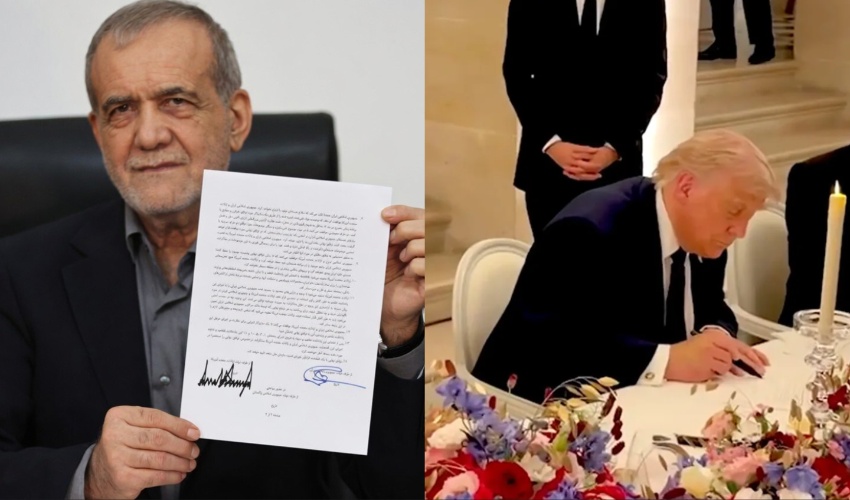
Iranian President Masoud Pezeshkian said on Wednesday that Tehran wants to move beyond the current crisis. “We must get out of this state of neither war nor peace. War is certainly not in Iran's interest,” he said.
At the same time, Pezeshkian insisted Iran would not back down if attacked.
“But that does not mean that if the US commits aggression against our territory, we will surrender or back down. They can dream on,” he added.
Reuters reported that some officials and analysts believe the latest military exchanges could be linked to preparations for announcing an eventual agreement.
While important differences remain, particularly over the release of frozen assets, diplomatic contacts continue and both sides appear focused on reaching an interim framework that could reduce tensions and create space for broader negotiations in the future.


.jpg)