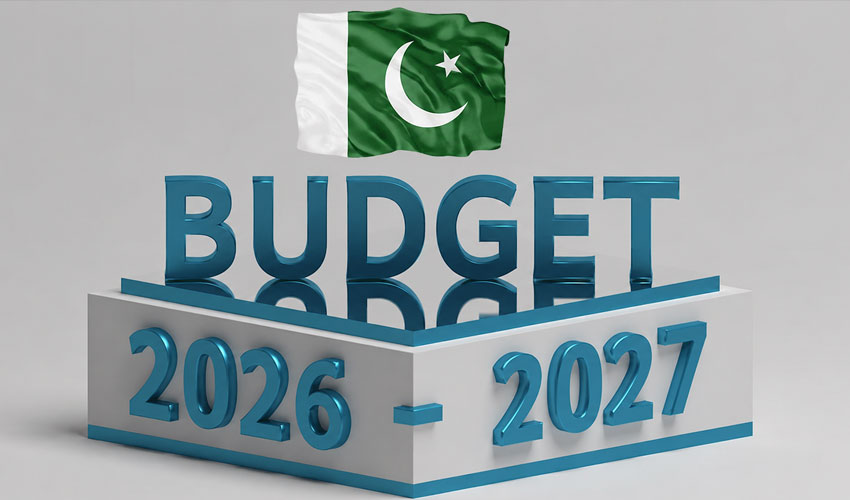
Pakistan is set to present a federal budget worth more than Rs17.5 trillion for the fiscal year 2026-27 on Friday, with the government targeting 4% economic growth and 8.2% inflation while focusing on fiscal discipline and revenue generation.
Preparations for the budget presentation have been completed, with the National Economic Council (NEC) approving key economic targets and development priorities for the upcoming fiscal year.
Revenue and expenditure targets
According to budget proposals, the federal government has set a tax revenue target of Rs15,267 billion for the next fiscal year. Non-tax revenue is projected at Rs2,768 billion, while the government plans to collect Rs1,727 billion through the petroleum levy.
Also Read: NEC approves economic targets, cuts development budget
A significant portion of federal spending will go toward debt servicing, with Rs7,824 billion proposed for interest payments on loans.
The defence sector is expected to receive nearly Rs3,000 billion under the upcoming budget.
Economic growth, inflation targets
The government has set an overall economic growth target of 4% for FY2026-27. Inflation is projected at 8.2%, reflecting efforts to maintain macroeconomic stability while supporting economic expansion.
Sector-wise, agriculture is expected to grow by 3.8%, while industrial growth has been targeted at 4%.
The growth target for large-scale manufacturing industries has been fixed at 4.5%, while the services sector is projected to expand by 4.2%.
Employment generation key focus
The government has reiterated its commitment to creating two million new employment opportunities during the next fiscal year. Targets have been set for job creation across major sectors of the economy, including services, industry and agriculture.
Also Read: Carbon levy on large vehicles, incentives for EVs proposed
According to the approved framework, the services sector is expected to generate 1.1 million jobs, while the industrial sector has been assigned a target of 500,000 jobs. The agricultural sector is projected to create 400,000 new employment opportunities.
Trade deficit expected to exceed $37bn
The budget documents project exports of $32.8 billion during the next fiscal year. Imports are estimated at $70 billion, resulting in a projected trade deficit of more than $37 billion.
The figures highlight the government's continued challenge of narrowing the external sector gap while boosting export growth.
The National Economic Council approved major development targets ahead of the budget announcement.
Also Read: Big income tax relief likely for salaried class in budget
A national development plan worth Rs3,679 billion has been approved for FY2026-27. The size of the federal Public Sector Development Programme (PSDP) has been fixed at Rs1,000 billion.
In addition, Rs2,218 billion has been allocated for development projects in the four provinces.
Development budget reductions
As part of broader fiscal adjustments, the federation and provinces will jointly save Rs146 billion in development spending.
Punjab's development budget has been reduced by Rs701 billion, while Sindh's allocation has been cut by Rs100 billion. Khyber Pakhtunkhwa will see a reduction of Rs109 billion in its development funds under the approved framework.
No new projects except defence, interior
One of the key policy decisions approved ahead of the budget is a restriction on new development schemes.
The government has decided that no new development projects will be launched during the next fiscal year, except those related to the ministries of defence and interior.
Finance minister briefs PM on economic survey
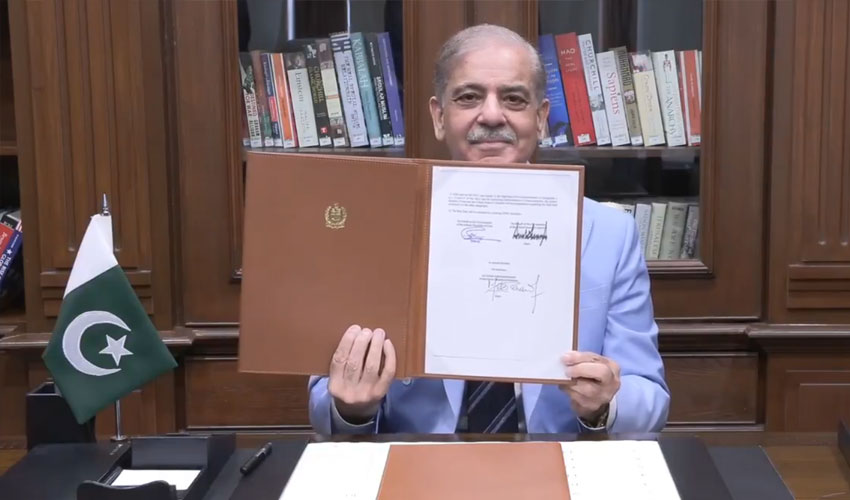
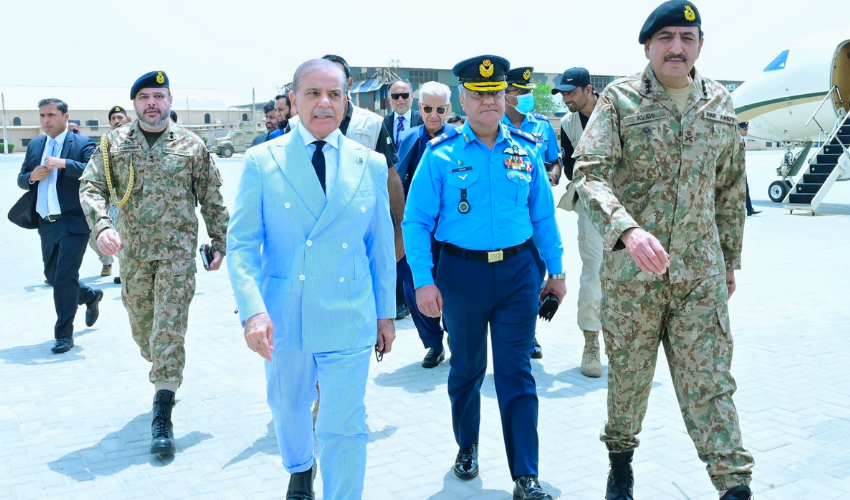
Meanwhile, Finance Minister Muhammad Aurangzeb met Prime Minister Shehbaz Sharif and presented him with a copy of the Pakistan Economic Survey ahead of its official release.
During the meeting, the prime minister was briefed on the key findings and details of the survey, which provides an annual review of the performance of various sectors of the economy.
Also Read: Economic Survey 2025-26 to be issued tomorrow
The Pakistan Economic Survey includes data on agriculture, industry, services, and development targets, along with an assessment of major economic indicators and government policy measures.
The prime minister was informed that the survey reflects the overall state of the economy before the presentation of the federal budget and highlights both the challenges faced by the country and the achievements made during the fiscal year.
Economic Survey to be released today
The Pakistan Economic Survey for the current fiscal year will be released today. According to the survey, the government was unable to achieve most of its major economic targets during the year.
GDP growth is estimated at 3.7%, falling short of the 4.2% target set for the fiscal year.
International financial institutions, including the International Monetary Fund (IMF), the World Bank, and the Asian Development Bank (ADB), had also projected a lower growth rate for Pakistan's economy.
The targets for per capita income growth, agricultural output, and industrial sector development were also not achieved.
However, the survey highlights positive developments in some areas, including a significant increase in workers' remittances and improved performance of the services sector.


.jpg)

.jpg)