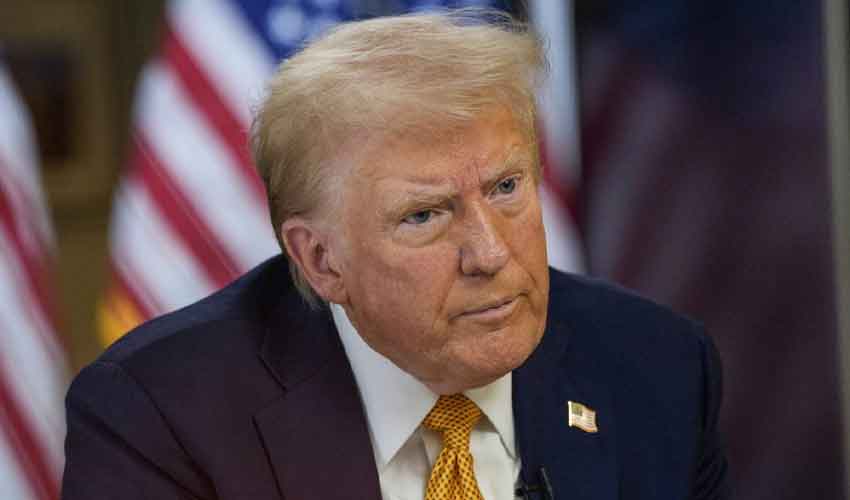
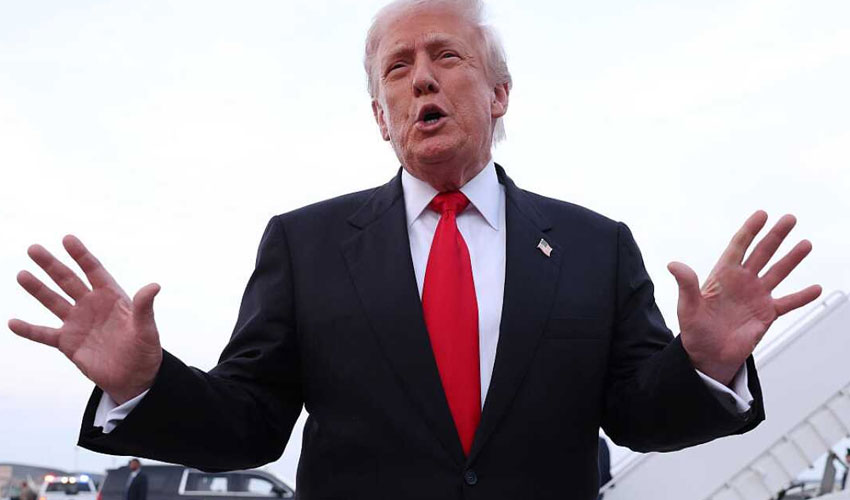
US President Donald Trump warned Wednesday that Iran had taken too long to reach a deal and would now “have to pay the price,” after overnight tit-for-tat strikes deepened tensions across the Gulf.
The latest escalation came after Iran launched missile and drone attacks on US bases in Jordan, Kuwait and Bahrain in retaliation for American strikes on Iranian targets around the Strait of Hormuz.
In a social media post Wednesday morning, Trump said Iran had failed to act seriously in negotiations.
“Iran is all talk and no action,” Trump wrote. “They’ve taken too long to negotiate a deal that would have been great for them, now they will have to pay the price!!!”
Trump also claimed Iran’s army had been destroyed, saying its navy and air force “no longer exist” and that Tehran had been “completely defeated.”
US strikes Iranian targets near Hormuz
The US military said it targeted Iranian air defences, ground control stations and surveillance radar sites in what it described as a “proportional response” to the downing of a US Apache helicopter near the Strait of Hormuz.
US Central Command said the strikes lasted around four hours and ended shortly before 9pm ET. A US official said nearly 20 Iranian targets were hit.
Iran’s Islamic Revolutionary Guard Corps said Qeshm Island and the port of Sirik were attacked. Iranian media also reported explosions in Bandar Abbas and later near Jask, close to the entrance of the Strait of Hormuz.
Iran attacks US bases
Iran said it responded by targeting US bases in Bahrain, Kuwait and Jordan with drones and missiles.
The IRGC said it fired long-range missiles at four sites at the US al-Azraq base in Jordan, including F-35 fighter jet hangars and a command-and-control centre.
The Guards warned that they were ready to deliver a “crushing and decisive” response to any further US action.
A US official said initial assessments showed nearly all Iranian missiles and drones were intercepted, with no immediate reports of casualties or damage to US facilities.
Also Read: China calls for ceasefire, dialogue on Iran issue
Jordan’s military said it intercepted five missiles fired toward al-Azraq and that falling debris caused no injuries or damage.
Kuwait’s defence ministry said it intercepted “hostile aerial targets,” while Bahrain’s air defences repelled Iranian attacks, according to a media adviser to the king on X.
Kuwait hosts US military facilities, including a major airbase, while Bahrain hosts the headquarters of the US Navy’s regional fleet.
Trump details Apache crash
In a phone interview with Fox News, Trump blamed Iran for the lack of meaningful progress in negotiations and said Tehran had repeatedly obstructed the diplomatic process.
He also described the Apache helicopter crash, saying an Iranian drone entered the cockpit between two pilots but did not explode.
According to Trump, the helicopter caught fire after the drone collision, and the pilots tried to move it to a safe location despite the flames. He said the intensity of the fire forced the helicopter to land in the sea, where both pilots were rescued two hours later with the help of a drone boat.
Also Read: Pezeshkian says Iran will never surrender under external pressure
Trump called it “nothing short of a miracle” that the drone did not explode despite the collision.
Iran denies offensive air operation
A US official said the Apache helicopter was brought down by a one-way Iranian attack drone. Trump said the two crew members were uninjured.
The US military said the helicopter went down in waters off Oman’s coast while on patrol at around 3am Tuesday, adding that a Navy surface drone located and rescued the crew.
Also Read: Vance says US-Iran deal may come within a week or months
Iranian state media, citing a military source, said no offensive air operations had been conducted in the Strait of Hormuz during the previous 24 hours.
Iranian Foreign Minister Abbas Araghchi did not directly address the incident but warned on X that foreign forces in the region risked accidents or crossfire.
“To reduce risk, best solution is for them to leave,” he wrote.
Tehran to reassess diplomacy
Iran’s Foreign Ministry spokesperson Esmaeil Baghaei said Tehran would reassess diplomatic engagement with Washington after what it called repeated ceasefire violations.
Also Read: Iran reassesses talks with US after attacks, says Esmail Baghaei
“Any diplomatic process requires a minimum stable environment,” Baghaei said.
The exchange of fire marks one of the most significant escalations since Washington and Tehran agreed to a ceasefire in April.
Oil prices rise, markets fall
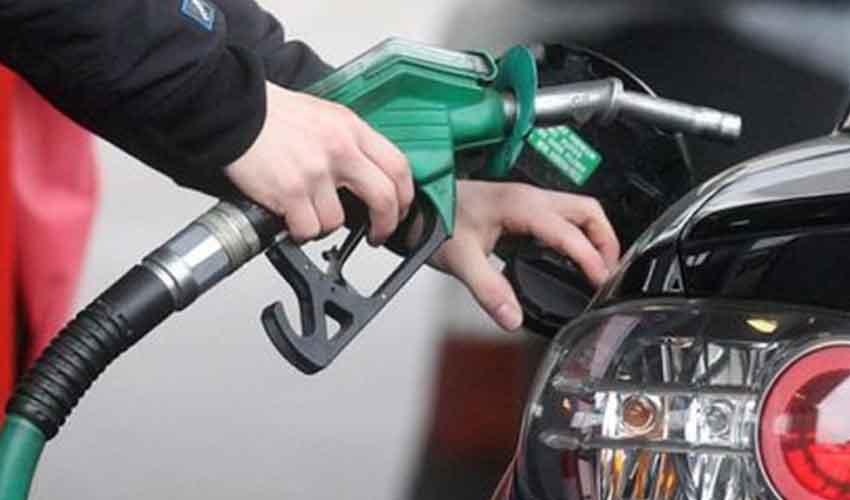
Oil prices jumped by around 2% and stock markets fell after Trump’s remarks.
The comments came at the end of a longer message about Iran’s military capability and appeared shortly after a separate post in which Trump criticised a TV host over poor ratings.
Fox News, citing a phone interview, reported that Trump said he was close to ordering new military attacks on Tehran. The report said Trump was considering strikes on Iranian power plants and bridges because Tehran was taking too long to reach a deal.
Trump also said Iran had a chance to save itself by making an agreement.
Qatar continues mediation efforts
Despite the escalation, there were signs that diplomatic efforts were still continuing.
An official with knowledge of the matter told Reuters that Qatari negotiators travelled to Tehran on Wednesday after consultations with the United States in an effort to finalise an agreement.
There was no immediate comment from either Washington or Tehran.
Also Read: Iran warns US no attack will go 'unanswered'
The April ceasefire was announced alongside plans for peace talks aimed at reopening Hormuz, ending a US blockade of Iranian ports and creating a pathway for negotiations over Iran’s nuclear programme.
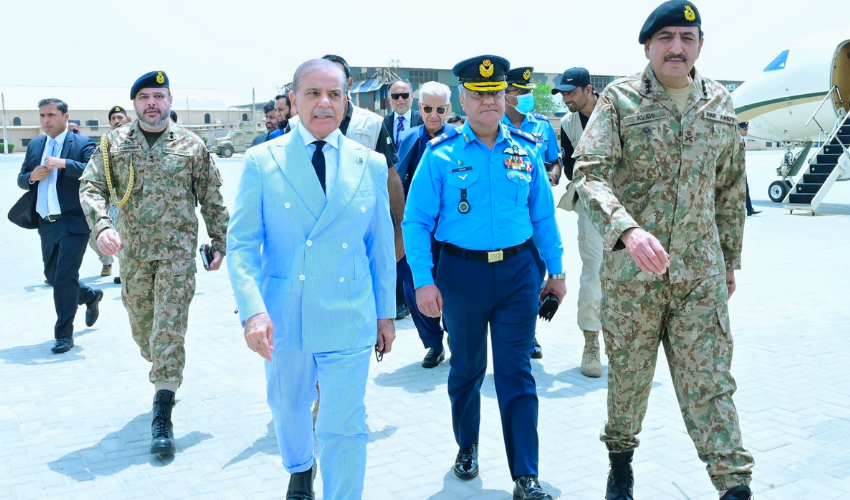
Trump has repeatedly said a deal is close, but after several rounds of indirect talks mediated by Pakistan and Qatar, the two sides still appear far apart.
The conflict began on February 28 with joint US-Israeli strikes on Iran and has since triggered wider instability across the region.
Lebanon conflict, Hormuz restrictions
Fighting has continued in the parallel war between Israel and Iran-backed Hezbollah militants in Lebanon.
Tehran has also maintained restrictions on most shipping through the Strait of Hormuz, which before the war carried a fifth of the world’s crude oil and liquefied natural gas.
Washington has kept its own blockade of Iranian ports in place. Trump claimed the blockade was “the most successful blockade in the history of naval warfare” and said Iran’s business had been reduced to zero.
Trump has said any peace deal must ensure that Iran cannot develop a nuclear weapon. Iran denies seeking nuclear weapons.
Iran’s demands include the lifting of sanctions, the release of billions of dollars in frozen assets, recognition of its control of the Strait of Hormuz and an end to fighting in Lebanon.
With both sides issuing fresh warnings, the path to a peace deal now appears more uncertain, even as mediators continue efforts to prevent a wider regional war.


.jpg)