Lebanon has reported a major escalation in Israeli military activity despite a declared ceasefire agreement.
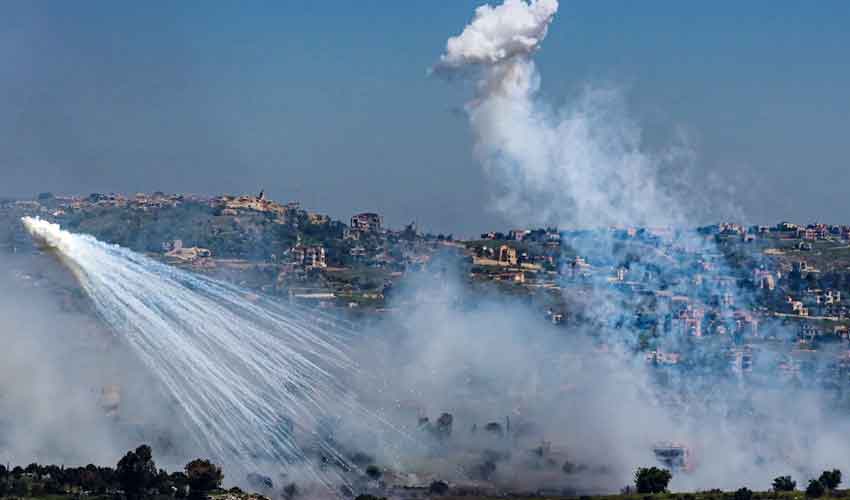
Officials say thousands of air strikes and demolitions have continued across southern areas.
The figures highlight growing tensions in the region and worsening humanitarian pressure.
Lebanon’s defence minister, Michel Menassa, said that Israel has carried out nearly 3,500 air strikes since a U.S.-brokered ceasefire came into effect on April 17.
The ceasefire was announced by the United States on April 16 and began just after midnight the next day. Despite this, military activity has continued, particularly in southern Lebanon.
Menassa shared the figures during a cabinet meeting, with the data later published on X by the office of Prime Minister Nawaf Salam.
Air strikes and widespread destruction
Between April 17 and June 7, Lebanese authorities recorded 3,491 air strikes across the country.
They also reported:
- 407 controlled demolitions
- Six “razing” operations
Officials said these demolitions have flattened entire villages in the southernmost border areas.
The Israeli military has not yet responded to requests for comment on the allegations.
Rising displacement, humanitarian pressure
Lebanese officials say the renewed escalation has triggered fresh waves of displacement across the country.
Prime Minister Nawaf Salam warned that the situation is placing severe strain on Lebanon’s ability to host families fleeing violence.
Since the broader conflict erupted on March 2, more than 1 million people—around one-fifth of Lebanon’s population—have been displaced due to strikes and evacuation orders.
Continued fighting in the South
Despite the ceasefire framework, fighting has continued in southern Lebanon between Israel and the Iran-backed group Hezbollah.
Hezbollah has reportedly continued firing rockets into northern Israel and has rejected U.S.-mediated talks aimed at strengthening the ceasefire into a long-term agreement.
Officials say the group’s actions are linked to broader regional tensions involving Iran.
Regional escalation spreads
On Sunday, Israel struck Beirut’s southern suburbs in response to Hezbollah rocket fire targeting northern Israel.
In parallel developments, Iran carried out strikes on northern Israel, prompting retaliatory actions from Israeli forces on multiple sites in Iran.
The cycle of attacks has raised concerns that the conflict is widening beyond Lebanon and Israel’s immediate border regions.
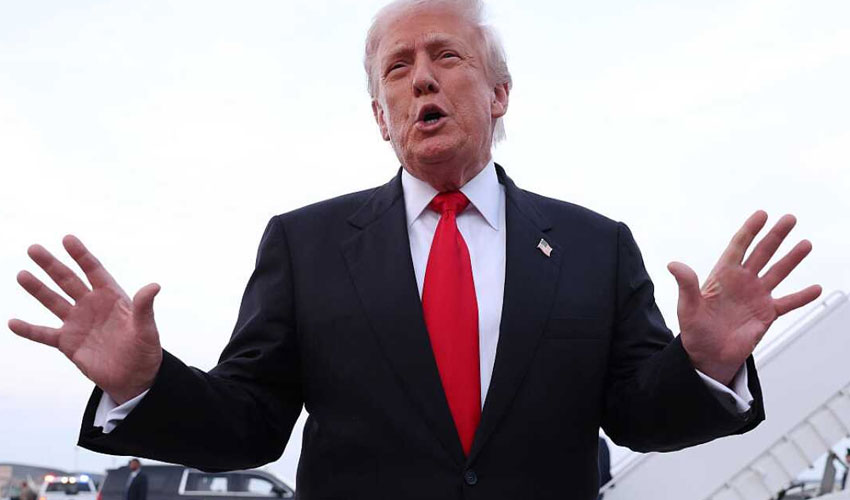
U.S. President Donald Trump commented last week on the nature of ceasefires in the region, saying they often involve “shooting in a more moderate manner” rather than a complete halt in fighting.
The remarks came as international pressure continues for a more stable and enforceable ceasefire arrangement.




.jpg)