Pakistan’s savings rate has fallen to a 30-year low, with citizens saving only a fraction of their income amid rising inflation and weak returns.
The findings have sparked concerns about an emerging investment crisis and long-term economic stability.
The report calls for urgent policy measures to boost savings and reduce reliance on foreign borrowing.
A report released by the Pakistan Institute of Development Economics highlights that Pakistan now has a savings rate of just 6.4 percent, meaning people are saving only Rs 6 for every Rs 100 earned.
The report warns that this is the lowest level seen in around 30 years, signaling a structural weakness in the country’s financial behavior.
It also notes that declining savings are forcing the country into repeated external borrowing and International Monetary Fund (IMF) programs.
According to the report, rising inflation and low profits on bank deposits have discouraged people from saving through formal banking channels.
As a result, citizens are increasingly shifting toward gold, real estate, and cash holdings instead of depositing money in banks.
The report suggests this trend is weakening financial intermediation and limiting investment flows into productive sectors.
Regional comparison highlights gap
The findings show a significant gap between Pakistan and other regional economies.
The report compares savings rates, noting that Bangladesh stands at 21 percent, India at 28 percent, and Vietnam close to 30 percent, while Pakistan remains far behind.
This widening gap highlights concerns about long-term competitiveness and investment capacity.
The report warns that continued low savings are pushing Pakistan toward greater reliance on external financing.
It argues that excessive government borrowing is also crowding out private sector investment, further slowing economic growth.
Experts linked to the report describe the situation as an emerging “investment crisis” if structural reforms are not introduced.
Policy recommendations for savings boost
The report calls for the revival of tax incentives on long-term savings schemes to encourage financial participation.
It also recommends targeted incentives for women, pensioners, and informal sector workers to broaden the savings base.
Additionally, it urges stronger protection for small savers and improved digital access to national savings products.
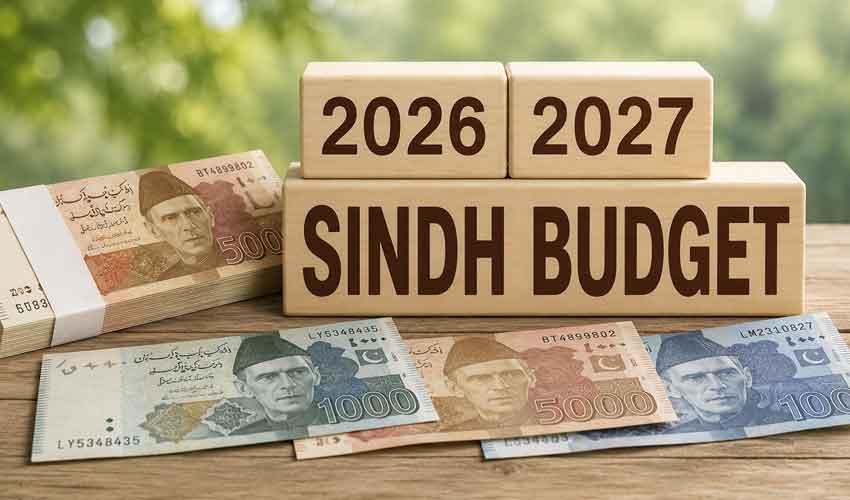
The report proposes launching a nationwide savings campaign in the upcoming budget 2026–27 to shift public behavior.
It also suggests creating an annual “Savings Mobilization Dashboard” to track progress and policy effectiveness.
According to the report, Pakistan must adopt a new economic model focused on domestic savings rather than reliance on external funds.


.jpg)


.jpg)