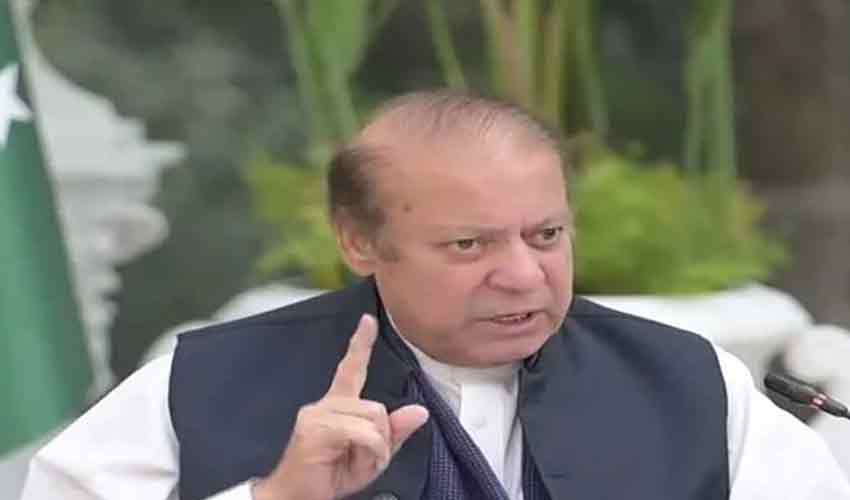
Pakistan Muslim League-Nawaz (PML-N) President Nawaz Sharif on Tuesday addressed a public rally in Gilgit, highlighting development, trade expansion, and long-neglected infrastructure in Gilgit-Baltistan.
He said he seeks votes based on performance rather than criticism of political opponents.
Nawaz Sharif stated that he does not believe in gaining votes by criticizing any party or government. Instead, he said his political approach is centered on performance and public service.
He urged voters to judge leadership based on development work rather than political rhetoric.
During his speech, the former prime minister questioned why Gilgit-Baltistan had been ignored when governments were formed.
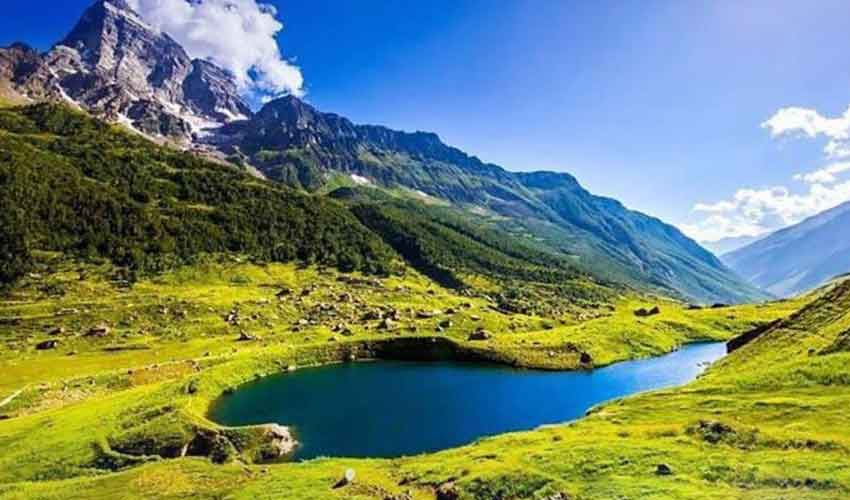
He said the region was not given proper attention despite its importance, adding that he had deep emotional attachment to Gilgit, Skardu, and surrounding areas.
Promises for infrastructure, connectivity
Nawaz Sharif recalled his past visits to Gilgit and Skardu and said he has long-standing ties with the region.
He pointed out that the existing airport infrastructure remains outdated and announced that he would ask Prime Minister Shehbaz Sharif to expand the airport and make it suitable for jet operations.
Referring to persistent power shortages, Nawaz Sharif said that load shedding of 10 to 12 hours is unacceptable in Gilgit-Baltistan.
He stressed that such issues must be resolved regardless of electoral outcomes.
Trade and economic development vision
The PML-N president said Gilgit-Baltistan could become prosperous if trade is increased and properly facilitated.
He emphasized that future development projects would be carried out in consultation with all stakeholders to ensure regional benefit.
Nawaz Sharif referenced the Lowari Tunnel in Khyber Pakhtunkhwa, saying it was completed after decades of delay under his government with billions of rupees invested.
He added that similar development commitment would be extended to Gilgit-Baltistan.
Nawaz Sharif said that if his party returns to power, he will visit Gilgit-Baltistan every two to three months to personally oversee development projects.
He also reflected on his political journey, questioning why he was removed from office, sent to jail, and forced to leave the country.
He remarked that these events were “also the fault of the people,” without elaborating further.


.jpg)