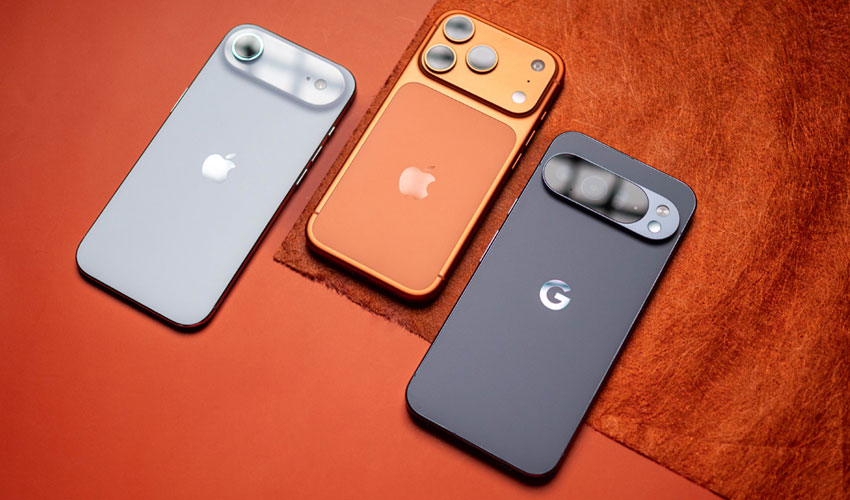
Several Android smartphone manufacturers could soon adopt a new release strategy reportedly introduced by Apple for future iPhone launches.
According to recent reports, Apple plans to separate the launch windows of its upcoming iPhone models, a move aimed at improving sales performance throughout the year and easing supply chain pressure.
Reports suggest Apple will launch the premium iPhone 18 Pro, iPhone 18 Pro Max, and a new foldable iPhone Ultra later this year, likely in September.
Meanwhile, the standard iPhone 18, alongside the iPhone Air 2 and iPhone 18e, is expected to arrive early next year.
The reported decision is believed to be part of Apple’s effort to maintain stronger sales momentum across the entire year instead of concentrating all launches into one period.
The strategy could also help reduce pressure on the global supply chain, especially amid ongoing concerns surrounding memory component availability and manufacturing demand.
Android brands could follow same strategy
A new report claims several Chinese smartphone manufacturers are now considering similar staggered release schedules for their future devices.
The companies reportedly include Xiaomi, Oppo, Vivo, and Honor.
However, the report does not mention major Western-market Android brands such as Samsung Electronics, Google, or Nothing Technology.
Why Android companies may adopt change
Industry observers believe there are practical reasons behind the potential shift beyond simply following Apple’s lead.
One possible reason is increased competition. Android manufacturers could align their flagship launches against Apple’s premium iPhone models, while also introducing affordable alternatives when Apple releases lower-cost devices.
This approach may help Android brands remain visible throughout the year instead of competing only during a single launch season.Another major factor could be supply chain management.
By spreading launches across different periods, smartphone makers may reduce manufacturing strain and better manage component availability. With Apple already expected to move in this direction, Android manufacturers could face fewer obstacles adopting a similar model.
While no official announcements have been made by Android companies yet, the reported shift signals a possible change in how major smartphone brands launch devices in the future.
If adopted widely, consumers may begin seeing flagship and budget smartphone launches spread across the calendar year rather than concentrated into one major release window.




.jpg)