The United Arab Emirates has officially exited OPEC after nearly six decades of membership, marking a major shift in global energy politics.
A senior adviser to the UAE president says the move reflects a long-term strategy tied to the “autumn of the hydrocarbon age.”
The decision could reshape future oil production dynamics once global supply conditions stabilize.
The United Arab Emirates has ended its membership in the Organization of the Petroleum Exporting Countries (OPEC), a move finalized on May 1 after nearly 60 years in the group.
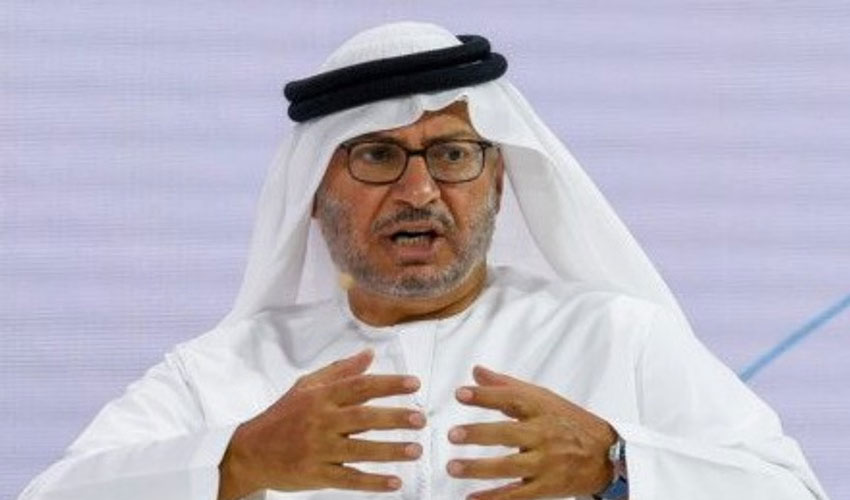
According to senior adviser Anwar Gargash, the decision was the result of a three-year internal review focused on long-term energy and economic strategy.
The UAE’s exit signals a major policy shift for one of the world’s leading oil producers.
Strategy behind the exit
Gargash said the UAE believes the world is approaching what he described as the “autumn of the hydrocarbon age,” where global dependence on oil will gradually decline.
He added that the country wants to maximize oil revenues while it still has the capacity to do so, using profits to diversify its economy and invest in other sectors.
One of the key reasons behind the decision was production restrictions under OPEC rules.
Membership in OPEC had kept UAE output below its full capacity, limiting its ability to take advantage of higher production potential.
The UAE has a production capacity of around 4.85 million barrels per day and plans to raise it to 5 million barrels per day by 2027.
Oil market and global impact
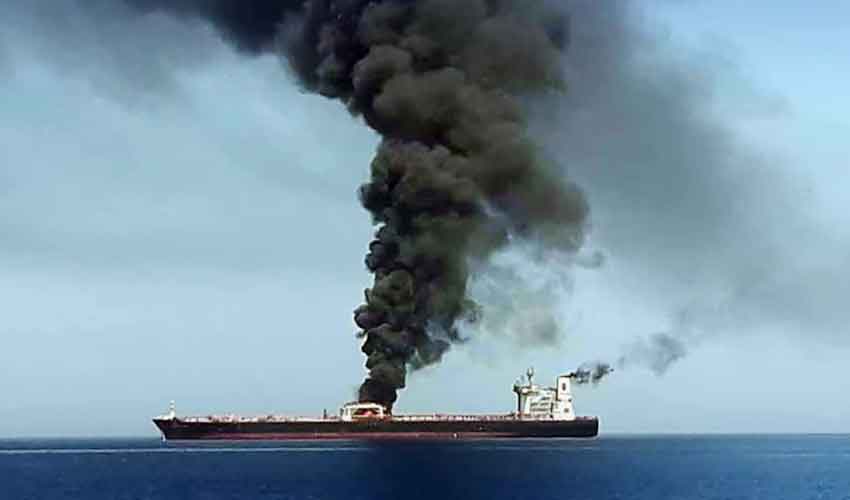
Officials say the UAE’s exit is unlikely to immediately impact global oil markets due to current geopolitical disruptions affecting supply routes.
However, analysts suggest the move could significantly alter OPEC’s influence over global oil supply once stability returns.
The development may also shift how oil-producing nations coordinate output decisions in the long term.
Once close allies, the UAE and Saudi Arabia have increasingly diverged on oil policy and regional strategy.
The UAE’s departure highlights growing differences within the Gulf energy bloc over production goals and economic priorities.
These tensions have also extended into broader geopolitical and investment competition between the two countries.
ADNOC CEO Sultan Al Jaber said the UAE remains committed to being a stabilizing force in global energy markets despite its exit from OPEC.
The country is expected to continue investing oil revenues into diversification efforts as part of its long-term economic transformation strategy.


.jpg)