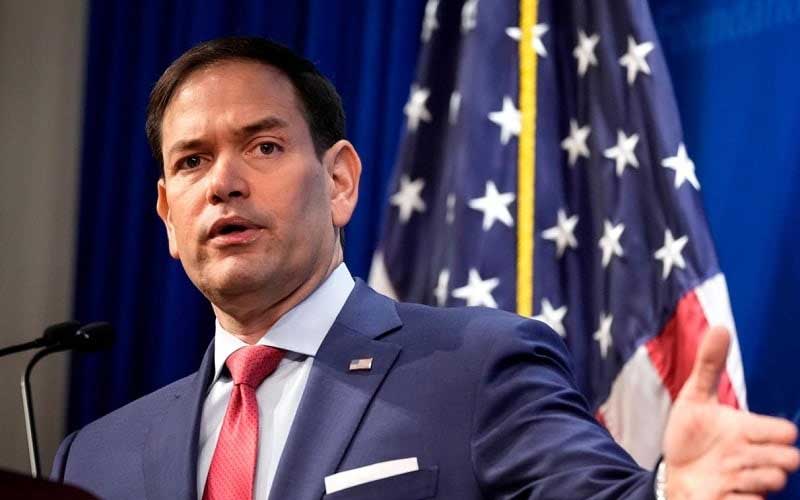
US Secretary of State Marco Rubio has described Cuba as a national security threat to the United States amid rising tensions between Washington and Havana.
His remarks come as Cuba strongly rejects allegations and accuses the US of spreading false claims.
The exchange marks another escalation in already strained relations between the two countries.
US Secretary of State Marco Rubio said Cuba represents a “national security threat” to the United States and suggested that the likelihood of a peaceful diplomatic agreement is low.
Speaking to reporters in Sweden, Rubio said Washington still prefers a diplomatic solution but stressed that current conditions make progress difficult.
He added that President Donald Trump retains both the right and obligation to protect US national security interests.
Cuba rejects allegations and responds strongly
Cuban Foreign Minister Bruno Rodríguez dismissed Rubio’s comments, accusing him of spreading “lies” and misrepresenting the situation.
Rodríguez said Cuba has never posed a threat to the United States and rejected claims that it is involved in sponsoring terrorism in the region.
He also accused Washington of using political pressure and economic measures to weaken the Cuban state.
Rubio acknowledged that diplomacy remains the preferred option for Washington but said the chances of reaching an agreement are “not high” given the current leadership in Havana.
He also repeated claims that Cuba is among the “leading sponsors of terrorism in the region,” a statement firmly denied by Cuban officials.
The US position continues to combine diplomatic outreach with pressure measures targeting Cuba’s political and economic system.
Background
Tensions have intensified following recent developments, including US legal action linked to historic incidents involving Cuba’s military leadership.
The latest indictment of former Cuban President Raúl Castro over the 1996 shootdown of civilian aircraft has further strained relations and triggered strong reactions from Havana.
Cuba is currently facing a severe fuel shortage and ongoing energy crisis, worsened by long-standing US sanctions and trade restrictions.
The country has experienced widespread blackouts and shortages of basic goods, deepening domestic economic pressure.
Despite tensions, Cuba has reportedly accepted US humanitarian assistance worth $100 million.

.jpg)