Indirect negotiations between the United States and Iran appear to be inching closer to a possible breakthrough, with Pakistan playing a key mediating role as both sides continue discussions over Tehran’s nuclear program and control of the Strait of Hormuz.
While officials from both countries acknowledged that major disagreements remain unresolved, recent diplomatic exchanges and narrowed differences have raised hopes for a potential ceasefire agreement.
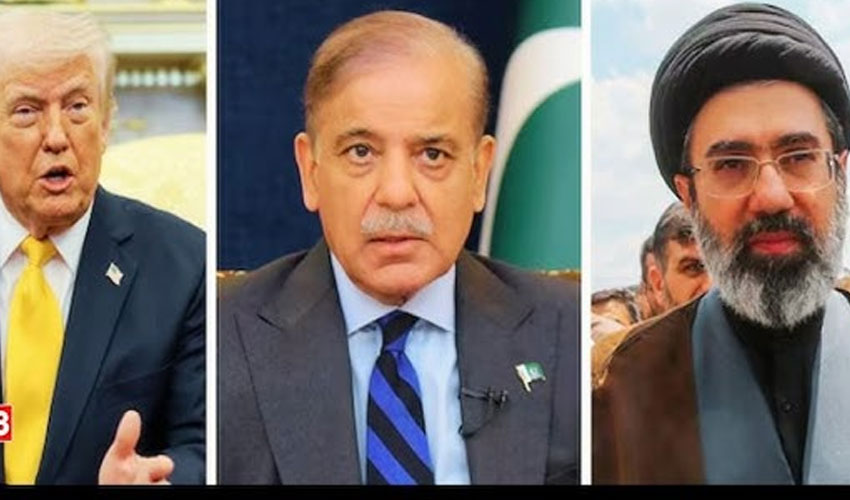
Speaking at the White House on Thursday, US President Donald Trump said Washington would eventually take control of Iran’s highly enriched uranium stockpile, which the US believes could be used to develop nuclear weapons.
“We will get it. We don't need it, we don't want it. We'll probably destroy it after we get it, but we're not going to let them have it,” Trump told reporters.
Iran has consistently denied seeking nuclear weapons, insisting its uranium enrichment program is intended solely for peaceful purposes.
Also Read: Iran's Supreme Leader rejects uranium transfer abroad
According to two senior Iranian sources quoted by Reuters, Iran’s Supreme Leader Ayatollah Mojtaba Khamenei has instructed officials not to send uranium abroad, further complicating ongoing negotiations.
Rubio points to 'good signs' in negotiations
US Secretary of State Marco Rubio acknowledged there had been “some good signs” in talks with Tehran, though he cautioned against excessive optimism.
“There’s some good signs. I don’t want to be overly optimistic ... So, let’s see what happens over the next few days,” Rubio said.
However, Rubio warned that any Iranian attempt to impose tolls or restrictions on ships using the Strait of Hormuz would make a diplomatic solution nearly impossible.
“It’s a threat to the world if they were trying to do that, and it’s completely illegal,” he added.
Strait of Hormuz remains major sticking point
The Strait of Hormuz has emerged as one of the central disputes in the negotiations.
Trump criticized Iran’s reported intention to charge fees for ships crossing the strategic waterway, describing it as an international passage that must remain open.
“We want it open, we want it free. We don’t want tolls,” Trump said.
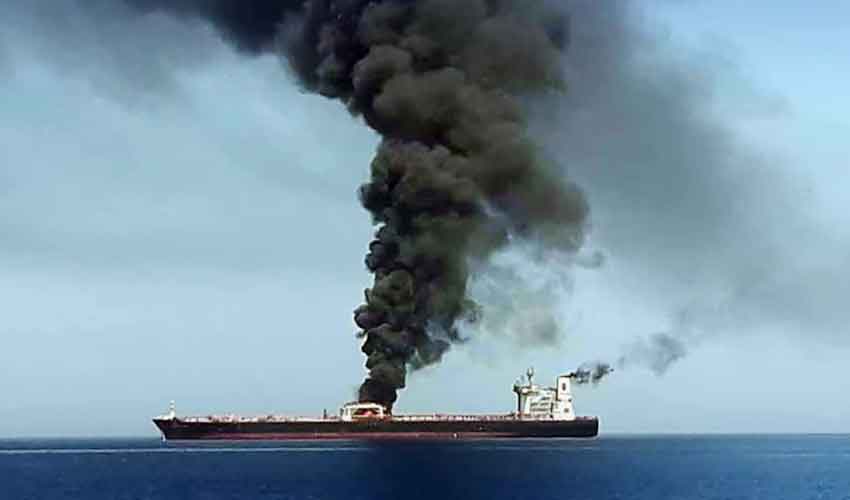
Before the conflict, nearly one-fifth of the world’s oil and natural gas supplies passed daily through the strait. The International Energy Agency warned Thursday that the conflict has triggered the world’s worst energy shock.
The agency said peak summer fuel demand and reduced Middle East supply could push global energy markets into the “red zone” during July and August.
Also Read: Netanyahu emerges as obstacle to peace after tense Trump call
Iran’s semi-official IRNA news agency reported that only 31 ships crossed the strait in the last 24 hours, compared to the usual 125 to 140 daily passages before the war.
Iran has stated it intends to reopen the route to friendly countries that comply with its conditions, which could include transit fees.
Pakistan intensifies mediation efforts
Pakistan has emerged as a key mediator in the indirect US-Iran talks.
According to Reuters sources, Pakistan's army chief, Chief of Defence Forces Field Marshal Asim Munir, was expected to travel to Tehran on Thursday to continue negotiations.
One source familiar with the diplomatic efforts said communication channels between both sides were being streamlined to accelerate progress.
“Trump’s patience running thin is a concern, but we’re working on the pace at which messages are relayed from each side,” the source said.
Also Read: US-Iran deal nearing finalisation, claims Arab media
Interior Minister Mohsin Naqvi also visited Tehran for the second time this week, reportedly carrying a message from the United States. According to Iran’s ISNA news agency, Naqvi met Iranian President Masoud Pezeshkian, Foreign Minister Abbas Araqchi and other senior officials.
Arab media reports claimed Tehran and Washington are exchanging draft proposals for a possible agreement. An Iranian official reportedly said the deal was “very close,” although several issues remain under discussion.
Iran says gaps have narrowed, no agreement reached
Iranian officials told Reuters that while no final agreement has been reached, differences between Tehran and Washington have narrowed considerably.
Iran’s uranium enrichment activities and sovereignty over the Strait of Hormuz remain the primary unresolved issues.
Tehran’s latest proposal to Washington reportedly repeats several demands previously rejected by Trump, including compensation for war damage, sanctions relief, release of frozen assets, withdrawal of US troops, and recognition of Iran’s authority over the strategic waterway.
Iran’s deputy foreign minister on Thursday again asserted Tehran’s sovereignty claims over the Strait of Hormuz.
Threat of renewed conflict still looms
Trump warned that the United States is prepared to resume military strikes on Iran if negotiations fail to produce what he called the “right answers.”
The US and Israel launched strikes against Iran in late February, aiming to curb Tehran’s support for regional militias, dismantle its nuclear program, and weaken its missile capabilities.
Israeli Prime Minister Benjamin Netanyahu and Trump have also said they want to make it easier for Iranians to challenge their leadership.
Iran’s Revolutionary Guards responded by warning that any renewed attacks would trigger retaliation extending beyond the region.
Despite weeks of conflict and negotiations, Iran has retained its stockpile of near-weapons-grade uranium as well as its missile, drone, and proxy militia capabilities.
Also Read: Iran sets up new authority for Strait of Hormuz shipping control
The prolonged tensions have continued to shake global financial markets, particularly due to rising oil prices and fears of supply disruptions.
Oil prices fluctuated sharply during Thursday’s trading session as uncertainty surrounding the negotiations persisted.
Trump also faces growing domestic political pressure ahead of November’s US midterm elections, with his approval ratings reportedly hovering near their lowest levels since returning to the White House last year.

.jpg)