The International Monetary Fund (IMF) has expressed dissatisfaction with the Federal Board of Revenue’s performance, declaring that expanding Pakistan’s tax net has become inevitable.
According to documents, the IMF has demanded tax reforms by June to overcome the growing revenue shortfall in the current fiscal year.
The IMF termed the large shortfall in tax revenue during the current fiscal year unacceptable. The shortfall stood at Rs336 billion in the first six months of 2025-26 and reached Rs684 billion in 10 months.
More taxpayers, retailer registration
The IMF is of the view that the decline in FBR collections shows Pakistan has a low number of taxpayers. It has demanded increased registration of retailers and reforms in the tax system by June.
The Fund also said more businesses need to be brought into the tax net, while FBR should ensure that only filers are allowed to carry out large financial transactions.
Also Read: Govt to cut income tax, sales tax exemptions in budget
According to the documents, tax collection from the power, oil and gas sectors remained below target. The IMF has linked the revenue decline to weak tax collection and limited taxpayer coverage across the economy.
Parliamentarians also criticise FBR
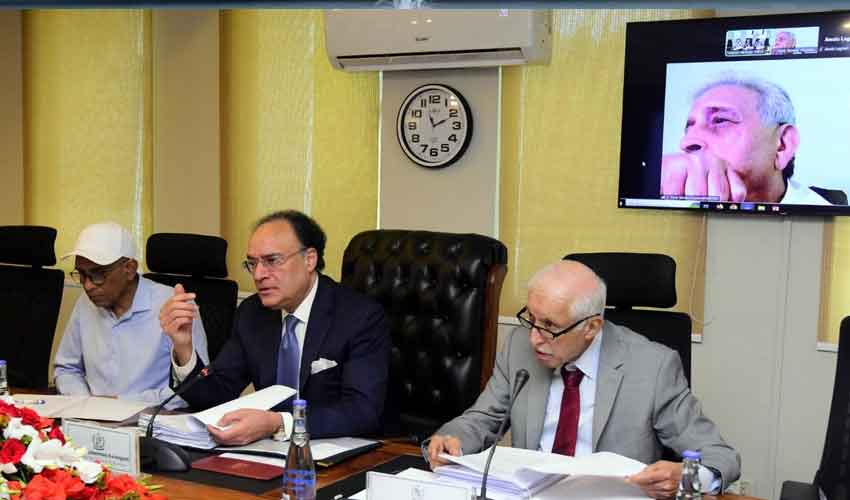
Members of the Standing Committee on Finance have also criticized FBR’s performance. They said the FBR has destroyed businesses and damaged the country’s economy, echoing concerns over the impact of tax policies on commercial activity.
Also Read: IMF talks: Electricity, gas prices set to rise from Jan 2027
The FBR has assured that it will introduce a new system to catch tax evasion. It also promised to strengthen digital invoicing and increase monitoring of factory production.
New audit system planned by August
The FBR claimed that a new audit system will be implemented by August this year. According to officials, the system will help ensure uniform and transparent accountability of taxpayers.
The documents stated that FBR’s focus is currently more on existing taxpayers. It also noted that revenues beyond the proposed measures are likely to become possible only in the next fiscal year.


.jpg)