A glacier alert has been issued across the upper districts of Khyber Pakhtunkhwa amid rising weather risks.
Authorities warn that changing weather patterns could trigger glacial lake outburst floods in sensitive areas.
The alert covers Upper Kohistan, Swat, Upper Dir, Upper Chitral and Lower Chitral.
Glacier alert across upper KP districts
Authorities in several upper districts of Khyber Pakhtunkhwa have been placed on high alert following the latest warning about possible glacial lake outbursts.
The administrations of Upper Kohistan, Swat, Upper Dir, Upper Chitral and Lower Chitral have been instructed to closely monitor vulnerable glacier zones.
Officials have been directed to keep surveillance active in sensitive mountainous regions and ensure early warning systems remain fully operational.
Weather system expected in May
According to the Meteorological Department, a fresh wave of westerly winds is expected to enter the upper regions of the province in May.
Rain and storm activity has been forecast starting from May 3, affecting several northern districts.
The changing weather system is expected to bring intermittent heavy rainfall, increasing overall environmental instability in high-altitude areas.
Rising temperatures heighten flood risk
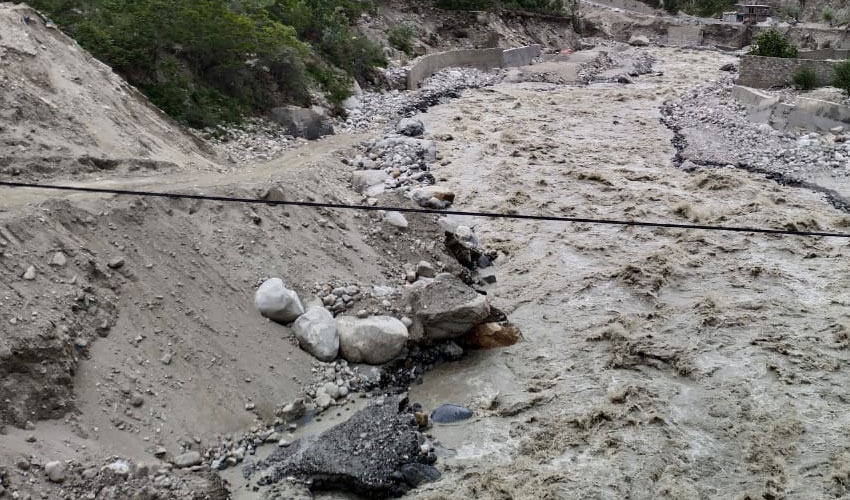
Weather experts have warned that a sudden increase in temperature, combined with rainfall, is raising the risk of glacial lake outburst floods (GLOFs).
These conditions also increase the possibility of flash floods in mountainous valleys, particularly in upper KP districts.
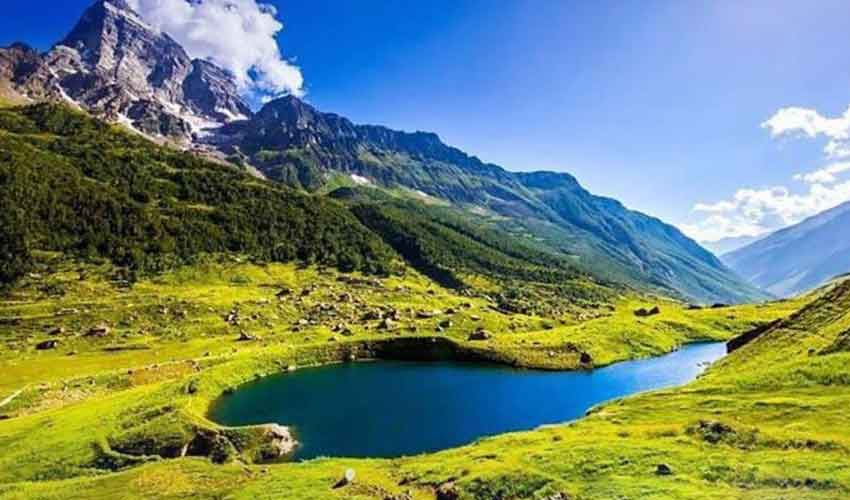
Areas most at risk include Upper and Lower Chitral, Upper Dir, Swat, and Upper Kohistan, where glaciers and natural water reservoirs are highly sensitive to climate shifts.
The Provincial Disaster Management Authority (PDMA) has directed district administrations to take immediate precautionary measures.
Relevant institutions and civil administration bodies have been asked to enhance monitoring in high-risk zones.
Authorities have also been instructed to ensure emergency preparedness, improve coordination, and keep warning systems active to respond quickly in case of any incident.