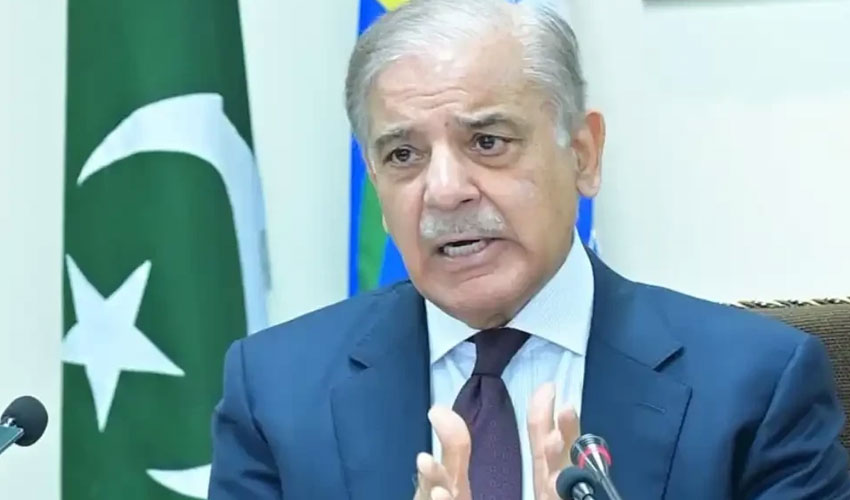
Prime Minister Shehbaz Sharif told a meeting of the federal cabinet that Pakistan’s economy had been on a path towards prosperity, but the war had damaged collective national efforts.
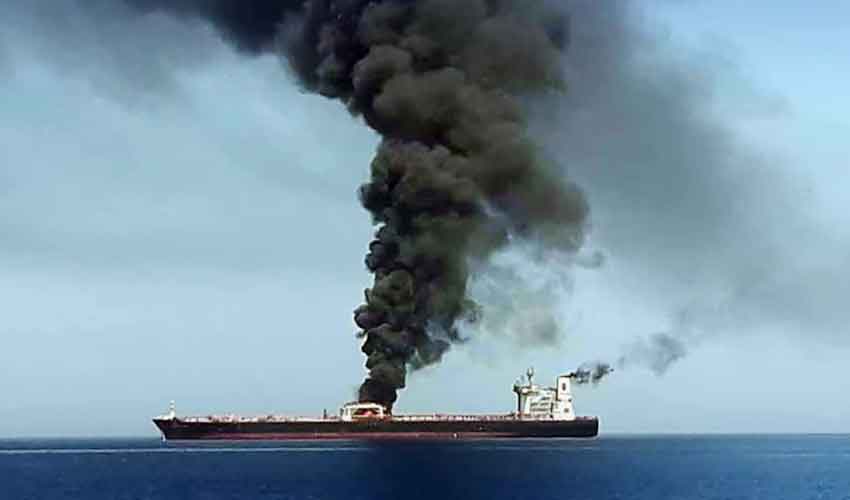
He said Pakistan’s efforts for a ceasefire and the establishment of peace in the Middle East were continuing. PM Shehbaz added that the country’s economic progress had come to a halt due to the conflict, while petroleum prices were rising sharply and major challenges lay ahead.
The prime minister stated that with the cooperation of Saudi Arabia, Pakistan had repaid external loans worth three and a half billion dollars, and austerity measures would continue.
He briefed the cabinet on recent developments, including 21-hour talks between the United States and Iran initiated by Pakistan on 11 April, describing them as part of sustained diplomatic efforts.
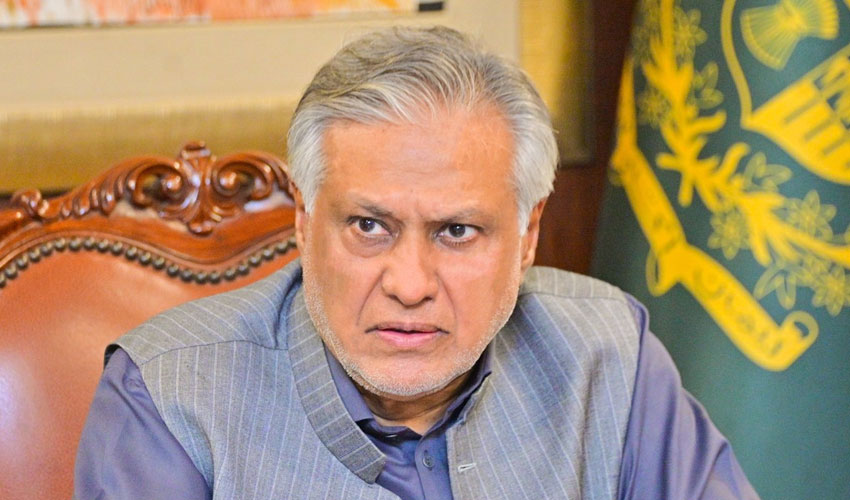
He said Field Marshal Syed Asim Munir and Deputy Prime Minister Ishaq Dar remained actively engaged throughout the process.
He confirmed that the ceasefire had been extended and was still in place.
He noted that Iranian Foreign Minister Abbas Araghchi had held detailed meetings in Pakistan, including marathon discussions on regional matters.
The prime minister said global crude oil prices were rising again, and Pakistan faced the challenge of reviewing domestic pricing accordingly.
He stated that the weekly petroleum import bill had increased from $300 million to $800 million following the war.
PM Shehbaz said a task force had been formed to monitor the situation, while efforts had reduced consumption levels.
The premier added that Pakistan’s economy had remained stable at the micro level, but the war had caused serious setbacks to two years of economic improvement efforts.
He expressed hope for lasting peace and prayed for the restoration of stability so that development could resume.
PM Shehbaz said Pakistan’s external reserves were in place and thanked the leadership of Saudi Arabia for immediate assistance in resolving financial obligations.
He noted that the privatisation of PIA would not place any burden on the national exchequer.
The premier directed coordination with provinces to maintain austerity, provide public relief, and ensure support for transport users.
He said the government would honour all commitments made to the public and expressed confidence that the difficult period would pass through unity and hard work.

.jpg)