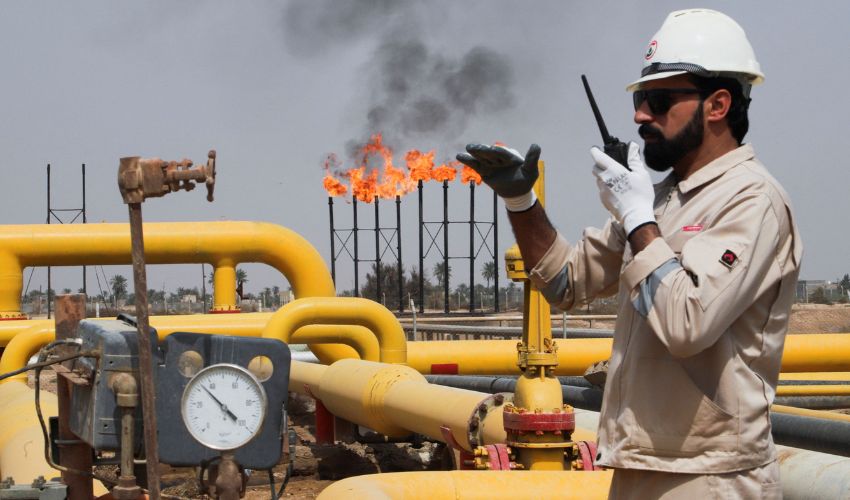
The United Arab Emirates has reportedly announced its exit from the Organization of the Petroleum Exporting Countries (OPEC) and its expanded grouping OPEC+, according to state media claims.
The alleged move comes amid ongoing geopolitical tensions and volatility in global energy markets.
According to the reported statement, the UAE’s decision marks a significant blow to the oil-producing bloc and its leading member, Saudi Arabia.
The development comes at a sensitive time, as global energy markets continue to face instability linked to regional conflict and supply disruptions.
Strait of Hormuz tensions add pressure
The report highlights growing concerns over shipping routes, particularly the Strait of Hormuz, a critical chokepoint for global oil and gas flows.
Nearly one-fifth of the world’s crude oil and liquefied natural gas passes through the route, which has faced heightened risks due to regional tensions and threats to commercial vessels.
UAE cites national interests
State media cited “national interests” and long-term energy planning as key reasons behind the reported decision.
The UAE is positioning itself as a global energy hub and reportedly aims to accelerate domestic energy investment while adapting to shifting global demand patterns.
The move is also linked to concerns over geopolitical instability in the Arabian Gulf region.
OPEC’s role in global oil markets
OPEC, founded in 1960, remains one of the most influential organizations in global energy markets, accounting for a significant share of worldwide oil supply.
Any shift in membership would have major implications for production coordination and global oil price stability.






.jpg)