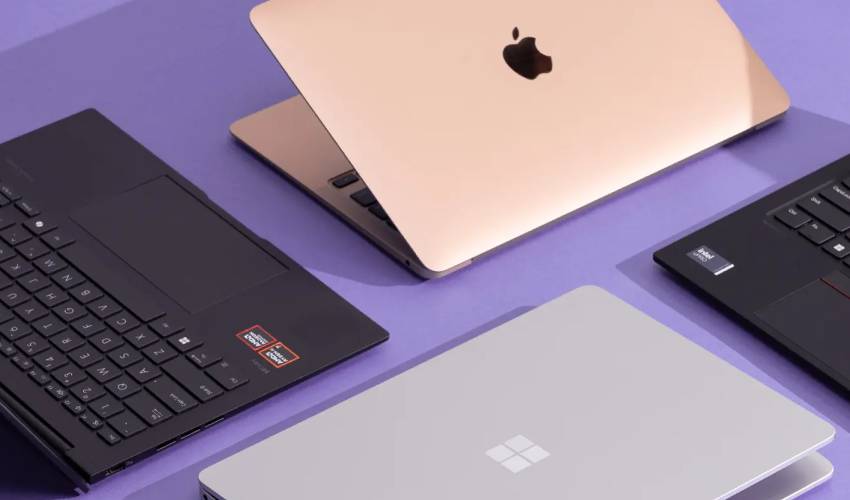
Plastic laptops are no longer the cheap, flimsy devices many people remember. After years of hands-on testing, reviewers now say modern plastic machines can rival—and sometimes outperform—metal laptops in real-world use.
The idea of a “plastic laptop” often brings to mind creaky, flexible devices from years ago. But that perception is outdated.
Today’s plastic laptops feel solid and well-built. Many feature matte, slightly rubberized finishes that offer a comfortable grip and a premium feel—sometimes even rivaling metal designs.
In fact, it’s not always easy to tell the difference. Some laptops combine metal lids with plastic bases, and the materials can feel nearly identical in everyday use.
Durability: Plastic can take more impact
One of plastic’s biggest advantages is flexibility.
Unlike metal, which can dent or permanently scratch, plastic can absorb shocks better. It tends to flex slightly under pressure instead of taking visible damage.
This makes plastic laptops more resilient during daily use, especially when placed on rough surfaces or carried around frequently.
Fewer scratches, less worry
Plastic surfaces are generally harder to scratch compared to metal.
Metal laptops can easily pick up marks from keys, coins, or connectors. Plastic, on the other hand, is more forgiving—making it a practical choice for users who are always on the go.
Easier upgrades and repairs
Plastic laptops are often more user-friendly when it comes to upgrades.
Many models allow users to remove the bottom panel with simple tools or screws. In contrast, metal laptops often use glued or sealed designs, making them difficult—or impossible—to open.
For users who want to upgrade RAM or storage, plastic designs offer clear advantages.
Why gaming laptops prefer plastic
Most gaming laptops rely on plastic construction—and for good reason.
Plastic helps reduce overall weight, which is important for large, high-performance machines. It also improves durability, as plastic can handle stress better than rigid metal frames.
Manufacturers avoid heavy all-metal builds in gaming laptops to prevent structural risks and excess weight.
Heat and Comfort Matter
Metal laptops tend to conduct heat more efficiently, which can lead to uncomfortable hot spots during heavy use.
Plastic, by contrast, doesn’t heat up as much—making it more comfortable for extended sessions.
Temperature also works both ways. In colder environments, metal laptops can feel uncomfortably cold, while plastic remains more neutral and user-friendly.
Premium Feel Is Subjective
Not all plastic feels cheap—and not all premium materials feel expensive.
Even advanced materials like ceramic-coated aluminum or carbon fiber can sometimes feel “plasticky” depending on the finish and weight.
Ultimately, how a laptop feels comes down to personal preference rather than just the material used.
Experts say buyers should focus less on whether a laptop is metal or plastic—and more on performance.
A plastic laptop with a better processor, keyboard, and display will often provide a superior experience compared to a metal laptop with weaker specs.
In many cases, metal builds increase cost without improving everyday usability.




.jpg)