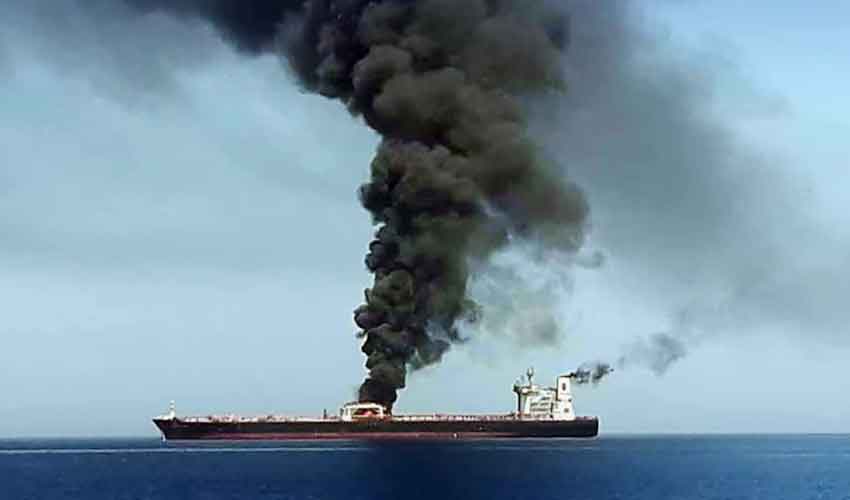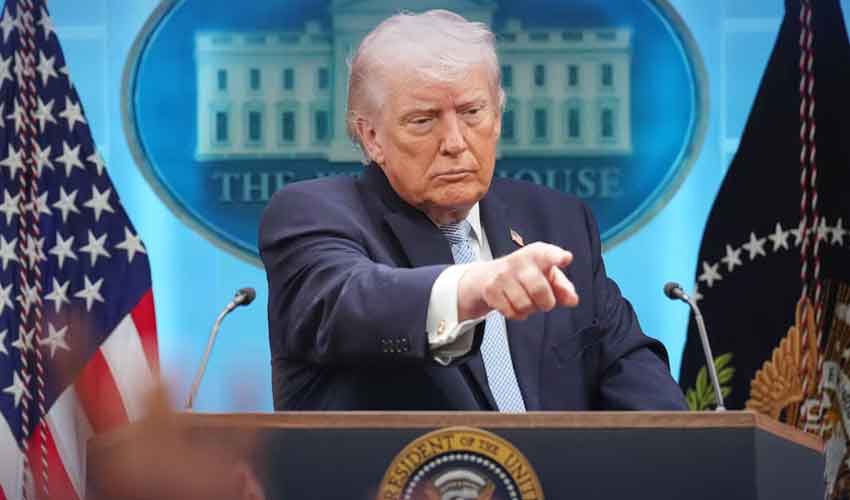
Tensions are rising again as US President Donald Trump warned that the ceasefire with Iran could end within days. With negotiations hanging in the balance, Washington is pushing for a swift deal while warning of serious consequences if talks fail.
Trump said the two-week ceasefire, announced on April 7, will expire on Wednesday evening Washington time.
He made it clear that the chances of extending the truce are “highly unlikely” if no agreement is reached before the deadline, increasing urgency for ongoing negotiations.
The US president issued stark warnings, saying that if talks collapse, “lots of bombs will start going off.”
He further threatened that Iran would face severe consequences and even claimed he could “blow up every single power plant and bridge in Iran” if no deal is signed.
Also Read: Iran's Pezeshkian says trust deficit persists in US-Iran relations
Trump insisted that the US would not allow Iran to develop nuclear weapons, stressing that “Iran cannot have a nuclear weapon. Very simple.”
Claims of military success, pressure tactics
Trump claimed that the war is effectively over and that the US is “winning by a lot,” adding that American forces have been “amazing.”
He pointed to the ongoing blockade of Iranian ports, saying it is “absolutely destroying Iran” and costing Tehran around $500 million per day. The blockade, he said, will remain in place until a deal is finalized.
The US president also claimed that Iran’s nuclear facilities were completely destroyed in “Operation Midnight Hammer.” He added that clearing nuclear debris and dust from these sites would be a long and complex process, reinforcing his claim of significant damage.
Push for negotiations despite uncertainty
Trump expressed optimism that a deal could happen “relatively quickly” and denied being under any pressure to reach an agreement.
Also Read: Trump says new Iran deal will outperform JCPOA
He also said Iran would eventually come to the negotiating table, although he admitted uncertainty about Tehran’s participation in the next round of talks.
Islamabad Talks, conflicting reports
Talks are expected to take place in Islamabad, with Trump stating that Vice President JD Vance and envoys Steve Witkoff and Jared Kushner were on their way. However, conflicting reports suggest Vance may still be in Washington, raising questions about the status of the delegation.
Meanwhile, Iran has not officially confirmed its participation, though sources indicate Tehran may be open to another round of discussions.
Also Read: Iran considers Pakistan peace talks as blockade lift looms
The White House said that if Trump secures a deal, it could ensure peace, security, and safety for all. At the same time, critics warned that the US could be heading toward another controversial agreement similar to past nuclear deals.
Trump also criticized major US media outlets, including The New York Times, The Washington Post, and The Wall Street Journal, for their coverage of the conflict.
Strategic stakes and regional impact
Trump indicated that the Strait of Hormuz would remain blocked until a deal is reached, signaling continued economic pressure on Iran.
With negotiations ongoing and tensions high, the coming days are seen as critical in determining whether diplomacy prevails or conflict escalates again.

.jpg)