.jpg)
Tehran is positively reviewing participation in upcoming negotiations with the United States, according to a senior Iranian official, after Pakistan's mediation efforts to address the US blockade of Iranian ports—a key obstacle to resuming diplomacy.
With a fragile two-week ceasefire set to expire Tuesday night, tensions remain high following recent naval incidents and threats from both sides. No final decision has been made on Iran's attendance, marking a shift from earlier rejections and vows of retaliation.
Iran's shifting stance on peace talks
A senior Iranian official told Reuters on Monday that Tehran is "positively reviewing" its participation in the talks hosted in Pakistan. However, the official emphasized that no decision has been finalized yet.
This represents a noticeable change in tone. Earlier statements from Iranian officials had ruled out attendance and promised retaliation for US actions. The Iranian source highlighted Pakistan's "positive efforts" to resolve the US blockade and facilitate Iran's involvement.
Iranian Foreign Ministry spokesman Esmaeil Baghaei stated that Washington has shown it is "not serious" about diplomacy by insisting on "unreasonable and unrealistic positions." He added that Tehran would not alter its core demands.
Background on US-Iran ceasefire
President Donald Trump announced the two-week ceasefire with Iran on April 7. The truce is scheduled to end at 8 p.m. EST on Tuesday (midnight GMT or 3:30 a.m. Wednesday in Iran), though Trump has not specified the exact timing and has left open the possibility of no extension.
The US has maintained its blockade of Iranian ports. In response, Iran briefly lifted and then reimposed its own restrictions affecting the Strait of Hormuz, a critical chokepoint carrying roughly one-fifth of the world's oil and liquefied gas supply.
On Sunday, US Marines boarded an Iranian-flagged cargo ship headed to Bandar Abbas port after a six-hour standoff, disabling its engines. US Central Command released video of the operation. Iran accused the US of "armed piracy" and said the vessel was traveling from China, noting crew members' families were aboard.
Pakistan's Mediation Role and Trump's Response
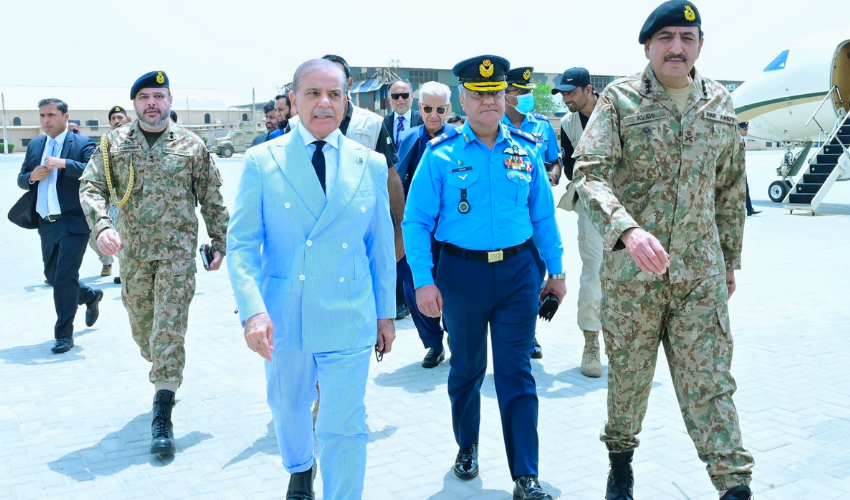
A Pakistani security source said Field Marshal Asim Munir, Pakistan's key mediator, informed President Trump that the US blockade poses a major obstacle to talks. Trump reportedly promised to consider the advice.
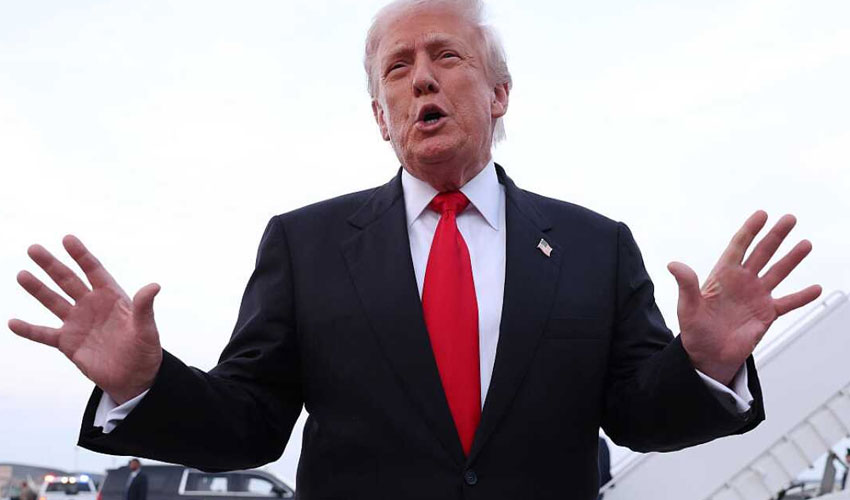
Trump has announced that Vice President JD Vance will lead a US delegation to Islamabad within hours, accompanied by envoy Steve Witkoff and Jared Kushner. Vance previously headed the first round of talks in Pakistan a week ago.
Pakistan has deployed nearly 20,000 security personnel across Islamabad in preparation, despite uncertainty over Iran's attendance.
Key sticking points
Iran's parliament speaker, Mohammad Baqer Qalibaf, who has led Iran's negotiating side, previously noted some progress but said the parties remain far apart on nuclear issues and the Strait of Hormuz.
A senior Iranian source stressed that Tehran's "defensive capabilities," including its missile program, are not open to negotiation.
Trump has warned that the US would destroy every bridge and power plant in Iran if Tehran rejects his terms. In turn, Iran has threatened to strike power stations and desalination plants in Gulf Arab neighbors if the US targets civilian infrastructure.
China, Iran's main buyer of crude oil, expressed concern over the US interception and called for normal shipping through the strait via diplomatic channels.
Oil prices eased slightly but remained 3-4% higher amid fears that the ceasefire could collapse. Shipping data showed traffic through the Strait of Hormuz at a virtual standstill, with just three crossings in 12 hours.
European allies have voiced worries that the US negotiating team is seeking a quick, superficial agreement that would require lengthy follow-on technical talks.
The broader context includes thousands killed in US-Israeli strikes on Iran and a parallel Israeli invasion of Lebanon, where a truce is also in place. Iran responded with missiles and drones targeting Israel and nearby Arab countries hosting US bases.



.jpg)