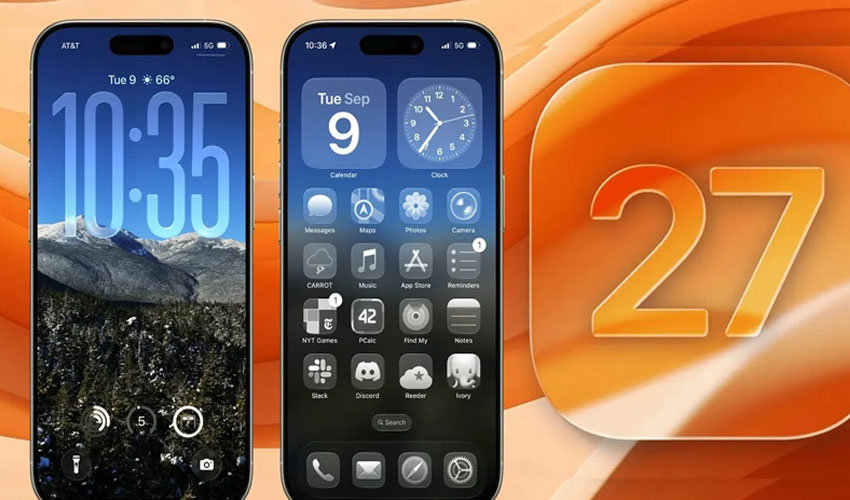
Apple’s upcoming iOS 27 update is set to be unveiled on June 8 at WWDC, and early leaks are already shaping expectations.
A new report hints that several older iPhone models may not make the cut this year.
Here’s what the latest information reveals.
Apple is expected to officially introduce iOS 27 during its Worldwide Developers Conference (WWDC) on June 8. The update is already generating buzz due to rumored design changes and new features.
Recent leaks suggest major upgrades, including a redesigned Siri interface and a potential new Home Screen experience. Another rumored visual overhaul is the “Liquid Glass” design language, alongside broader system refinements.
Siri Overhaul and design changes
According to early reports, iOS 27 may bring one of the biggest Siri upgrades in years. The assistant is expected to receive a major redesign, potentially improving usability and integration across the system.
Other rumored features include Home Screen enhancements and the introduction of Liquid Glass-inspired UI elements. These changes are expected to refine the overall look and feel of iOS.
However, not all features may be available across all devices, as Apple Intelligence capabilities are expected to play a key role.
Leak suggests iPhone 11 Series may lose support
A new leak from Weibo tipster Instant Digital claims that iOS 27 may drop support for multiple older iPhone models. The list includes devices that currently run iOS 26.
The reportedly unsupported models are:
- iPhone 11
- iPhone 11 Pro
- iPhone 11 Pro Max
- iPhone SE (2nd generation)
If accurate, iOS 27 would require an iPhone 12 or later. Additionally, the iPhone SE 3 or newer would be needed for compatibility.
Even for supported devices, full access to iOS 27 features may not be guaranteed. Reports suggest that Apple Intelligence-powered tools will require an iPhone 15 Pro or newer.
This means older supported iPhones may still receive the update but miss out on advanced AI-driven features.
If the leak proves correct, it would mark the second consecutive year Apple has phased out older iPhones from a major iOS update. Last year, support for the iPhone XS generation was dropped.
This ongoing shift suggests Apple is increasingly focusing on newer hardware capabilities for future iOS releases.


.jpg)