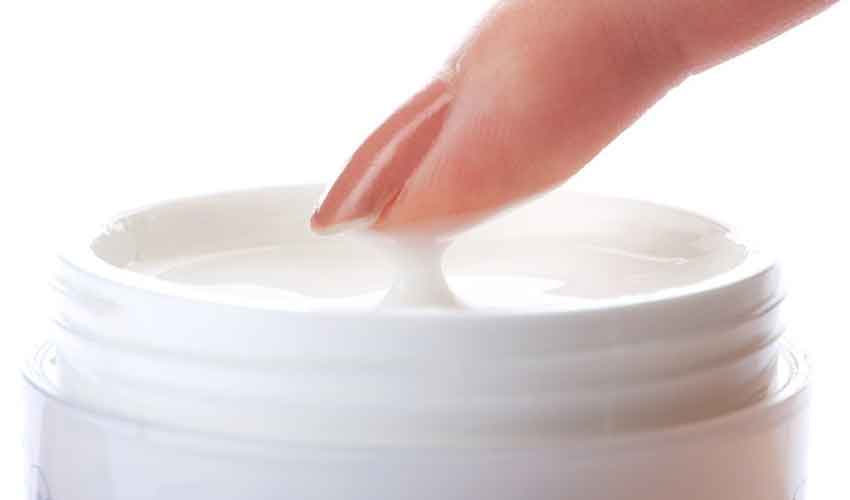
Beauty creams promising faster results- brighter skin, smoother complexion, and instant glow, have long dominated Pakistan’s skincare market.
Easily accessible and widely trusted, these products are part of daily routines for many. But recent revelations suggest that behind these promises, some creams may be exposing users to serious health risks.
Recently, the Pakistan Standards and Quality Control Authority (PSQCA) has suspended the licenses of 6 beauty cream brands after routine inspections revealed violations of national safety standards. Investigations uncovered the presence of hazardous substances such as mercury and arsenic, along with microbiological contamination, raising serious concerns.
The decision was confirmed through a written response by Minister for Science and Technology Khalid Hussain Magsi, who stated that 6 beauty creams failed to meet the requirements of Pakistan Standard Specification 3228:2025. This standard defines safety limits for cosmetics to ensure they are safe for regular use.
To check if the products met safety standards, samples were tested by the Pakistan Council of Scientific and Industrial Research. The results revealed both toxic substances, including mercury and arsenic, and contamination, pointing to possible underlying issues in formulation and manufacturing processes.
Mercury, sometimes used in skin-lightening creams, reduces melanin production to create a temporary brightening effect. However, its prolonged use can lead to skin damage, including irritation, sensitivity, and uneven pigmentation. Arsenic, which may enter products as a contaminant, is equally concerning due to its toxic nature, even in small quantities.
What makes these findings particularly serious is that the risks go beyond surface-level damage. Over time, these substances can be absorbed into the body, potentially leading to more severe health complications such as kidney damage and neurological disorders.
Following the findings, authorities have banned the production and sale of the affected creams until they meet regulatory standards. At the same time, ongoing market surveillance is being carried out to ensure that unsafe products are taken off the shelves.
The situation highlights a growing need for awareness around cosmetic safety. While the appeal of quick results remains strong, it also brings into question how much consumers truly know about the products they rely on, and whether those results are worth the potential risks.







.jpg)