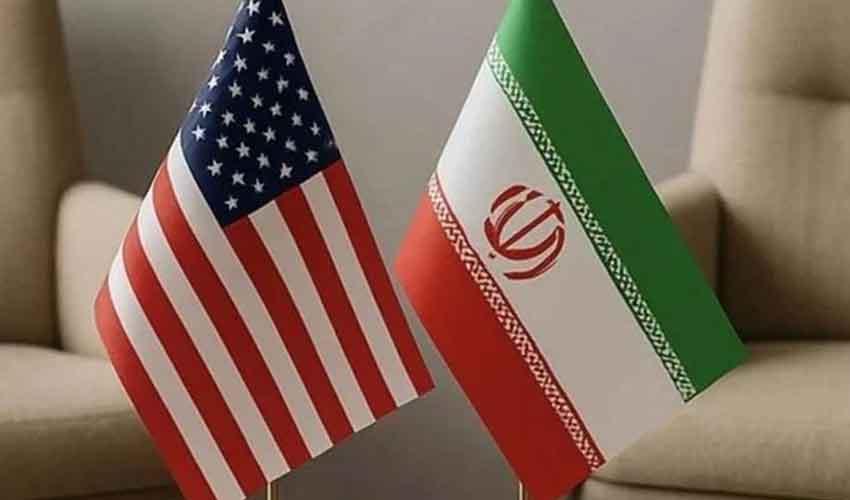
Iran has ruled out setting a date for the next round of talks with the United States, insisting that a mutual framework must be agreed first.
Iran’s Deputy Foreign Minister Saeed Khatibzadeh said that no date can be set for future negotiations until both sides finalize a framework of understanding.
Speaking at the Antalya Diplomacy Forum in Turkey, he stressed that Iran does not want to enter talks “which are doomed to fail” or could trigger further escalation.
The latest remarks follow high-level US-Iran talks held in Islamabad last weekend, which ended without agreement. While US President Donald Trump suggested more direct talks could take place soon, diplomats expressed doubts due to logistical challenges in organizing another meeting.
Earlier, Iranian officials had told CNN that a new round of negotiations between the United States and Iran was likely to take place in Islamabad on Monday.
Also Read: Egypt says working with Pakistan on US-Iran peace plan
US officials did not confirm whether the talks were scheduled. Despite this, optimism remained, as President Donald Trump earlier suggested both sides were close to reaching an agreement.
Iran rejects US demands and blockade
Khatibzadeh criticized what he described as a “maximalist approach” by the United States, particularly regarding Iran’s nuclear program. He firmly stated that Iran will not accept a US blockade on its ports and will not agree to be treated as an exception under international law.
“Iran will neither seek exemption from international laws nor give up its rights,” he said, emphasizing that any agreement must align with global legal frameworks.
Also Read: US-Iran talks second round in Islamabad on Monday: Sources
The Iranian official reiterated that war cannot produce positive outcomes, but warned that Iran is fully prepared to defend itself if attacked.
“The last Iranian soldier will fight,” he said, underscoring the country’s readiness to respond to any aggression.
Dispute over Strait of Hormuz
Addressing reports about the Strait of Hormuz, Khatibzadeh said Iran had allowed safe passage for commercial vessels in line with a recent ceasefire agreement between Israel and Lebanon.
However, he accused the United States of attempting to undermine the arrangement by issuing conflicting statements about access to the strait.
Also Read: Iran says Strait of Hormuz closed again over US blockade
Khatibzadeh warned that any violation of ceasefire terms by the United States would lead to repercussions.
“If Americans are not going to honour their words, there will be repercussions for them,” he said, signaling potential escalation if tensions persist.
Progress, but gaps remain
Despite the current deadlock, Khatibzadeh acknowledged that “significant progress” had been made during previous negotiations. However, unresolved differences, particularly over legal and nuclear issues, continue to hinder a final agreement.
Iran’s insistence on a clear framework highlights the fragile state of ongoing diplomacy between Tehran and Washington. With no date set for the next round of talks and tensions simmering, the path forward remains uncertain.