Pakistan’s economic outlook faces fresh uncertainty as global tensions rise. The International Monetary Fund (IMF) has warned that the ongoing Middle East war could slow growth and increase financial pressure on the country.
The International Monetary Fund (IMF) has released its latest Regional Economic Outlook Report, highlighting key risks facing Pakistan’s economy.
According to the report, Pakistan’s ongoing $7.2 billion IMF program remains focused on ensuring economic stability and implementing structural reforms.
The IMF has cautioned that the Middle East war could negatively impact Pakistan’s economic growth. Pakistan’s GDP growth rate may decline by around 0.6% due to external shocks and rising global uncertainty.
Rising oil prices pose major risk
One of the biggest concerns highlighted in the report is the surge in oil prices.
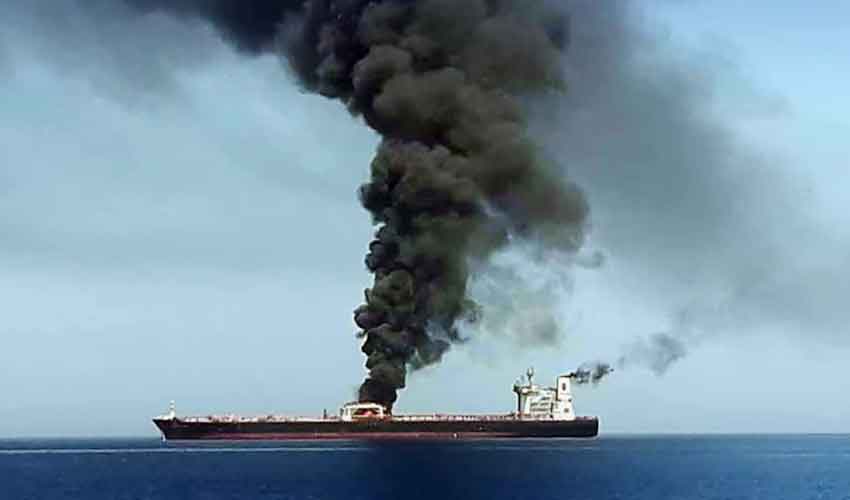
Oil prices have crossed $100 per barrel due to the closure of the Strait of Hormuz and the ongoing conflict. The IMF warned that even a 10% increase in oil prices could significantly harm Pakistan’s economy and push inflation higher.
The report also flagged risks to Pakistan’s external and fiscal positions. The country’s current account could be affected by about 0.3%, while there are growing concerns about pressure on the fiscal deficit.
Dependence on Gulf region
The IMF noted that Pakistan’s heavy reliance on oil imports and remittances from Gulf countries poses a major risk. If the conflict in the region prolongs, both trade and remittance inflows could be adversely affected, further straining the economy.
According to the report, borrowing has already become more expensive for Pakistan amid global uncertainty. The IMF warned that if the situation escalates into a broader global financial crisis, pressure on Pakistan’s economy could intensify further.
Additionally, financial risks may increase due to high public debt and banks’ significant investment in government securities.
Ceasefire offers relief, uncertainty remains
The IMF described the recent ceasefire in the region as a positive development. However, it cautioned that uncertainty still persists and risks remain elevated.
The report underscores that Pakistan’s economic stability will depend on both domestic reforms and evolving global conditions.
.jpg)